


Choosing Tote Bag Fabric: Durability, Printability and Responsible Sourcing
October 23, 2026 - October 23, 2026


A tote bag can look convincing in a product photograph and disappoint the moment someone picks it up. The fabric feels flimsy. The print disappears into the weave. The handles twist under a modest load.
These are not problems a better logo will fix.
For fashion brands, fabric selection deserves attention early in development—not after the artwork has been approved. The right choice depends on what the bag needs to carry, how it should feel, which decoration process suits it and what the brand can substantiate about its sourcing.
Start with the job, not the swatch
Before comparing materials, decide what you are making.
A lightweight bag folded inside an online order has a different brief from a structured tote sold alongside a clothing collection. A bookshop bag needs to carry weight comfortably. An oversized beach tote needs generous proportions without becoming cumbersome before anything goes inside.
Write down the intended contents, frequency of use, target price and preferred care method. Then consider the details: should the bag fold flat, stand upright or sit comfortably over a winter coat?
Those decisions narrow the fabric options more effectively than asking for something “premium” or “sustainable”. Neither word is a usable production specification.
Look beyond the fibre name
“Cotton” tells you something about a fabric, but nowhere near enough.
Weight, weave, yarn, finishing and construction all influence the finished bag. Two cotton fabrics with the same stated weight can feel quite different. One may be compact and smooth; another, loose and textured.
Lightweight cotton is worth considering where packability and a soft handle matter. It may suit simple giveaways or supplementary packaging, provided the finished bag meets the intended carrying requirements.
Cotton canvas offers a different character. Often firmer and more substantial, it can suit retail totes where shape and surface texture are part of the appeal. Canvas, however, describes a fabric construction rather than a fibre; ask what it is actually made from.
Jute brings a pronounced texture that may work beautifully with understated branding. That same uneven surface can complicate fine lettering or intricate artwork. Examine a printed sample before committing to a detailed design.
Recycled cotton and recycled polyester also deserve consideration, but neither label replaces a specification. Confirm the fibre percentages, assess the actual fabric and establish what evidence supports the recycled-content description.
Choose the material for the product. Resist choosing the product around a fashionable material claim.
Treat fabric and print as one decision
Artwork does not exist independently of its surface.
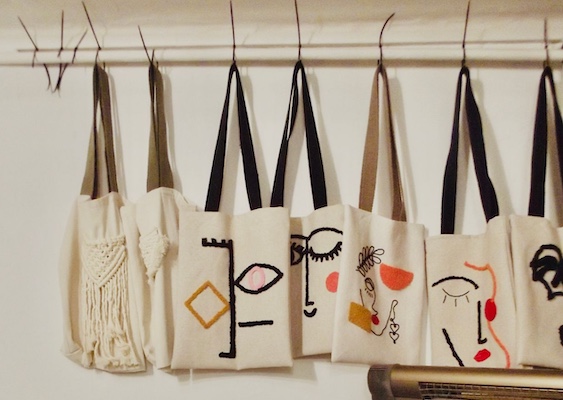
A fine illustration that looks crisp on a screen may lose definition on a coarse weave. A large, solid print can change how a soft bag feels. Fabric colour, texture and finishing can all influence the result.
Bring the artwork into the discussion early. Ask which printing process is suitable for the chosen fabric, how closely colours can be matched and whether the design needs adjustment.
Then request a sample using the intended combination.
A print on a convenient substitute is useful for an initial conversation, not final approval. Check small lettering, edges, coverage and placement on the actual bag. Inspect folds and seams too; a design can look balanced when laid flat yet awkward when carried.
If cleaning instructions will appear on the product, assess the sample using that proposed care method. Appearance before use is only half the story.
Judge the whole bag, not just its weight
Fabric weight, commonly expressed in grams per square meter, is a useful reference. It is not a durability score.
A heavy fabric cannot compensate for poorly secured handles. Nor does a lighter fabric automatically mean a disposable product.
Review the completed construction: handle attachment, seam quality, edge finishing and reinforcement where the design needs it. Consider comfort as well. Narrow handles may become unpleasant under a load even when the bag itself remains intact.
Agree on realistic carrying and care checks with the production partner. Use representative contents, inspect the sample afterwards and record what passed—or what needs changing.
Specific observations are more useful than “feels strong”.
Ask sourcing questions that produce evidence
Responsible sourcing begins with precise questions.
What is the fibre composition? Where does the fabric come from? If recycled content is claimed, what proportion is recycled, and what documentation connects that claim to the material being purchased?
Where certifications are relevant, check their scope. A document relating to one supplier or material should not be treated as proof for every component of the finished bag.
Deadstock also warrants practical questions. How much is available? Is it consistent across the lot? Could a repeat order require a different fabric?
Avoid turning a single attribute into a sweeping environmental promise. Recycled content, natural fibres and durability each describe something different. Explain the attribute you can support rather than reaching for a bigger claim.
Put the decisions into the production brief
When approaching a tote bag manufacturer such as Bene Bags, share more than dimensions and a logo. Include the intended use, preferred feel, artwork, sourcing requirements and the checks the finished bag must pass.
Keep an approved reference sample and record the agreed material specifications. That gives everyone something concrete to work from when production begins—and when a reorder follows.
The best fabric is not necessarily the heaviest, cheapest or easiest to promote. It is the one that makes sense for the bag, performs as expected and comes with claims the brand can stand behind.
Images courtesy of pexels.com


