


Tiny Trendsetters: The Ultimate Guide to Custom Kids’ Fashion
21-01-2026


The childrenswear market is really turning around. We are seeing a massive retreat from the “pile ’em high” fast-fashion model. And it is replaced by a much more calculated, bespoke approach.
Today’s parents and boutique owners have lost patience with generic clothes that warp or shrink after three spins in the wash. The demand has shifted toward custom kids’ fashion.
Whether you’re a parent hunting for a better fit or a designer trying to make your mark in 2026. Success comes down to one thing: knowing how to bridge the gap between a pretty sketch and the reality of the sewing machine.
Why Custom Kids’ Fashion is Taking Over in 2026?
In 2026, the real luxury isn’t a flashy logo; it’s the “paper trail”. It’s all about knowing exactly who made the kids’ fashion and how. This change comes down to three main points:
- Personality over Uniforms: Custom pieces let kids show their own style through unique colours and shapes. And this you won’t find at a big-box store.
- The “Cost-Per-Wear” Logic: Parents are finally doing the maths. It’s a lot cheaper to buy one well-made, tough garment that will survive the playground. Instead of five cheap shirts that shrink or warp after two washes.
- Total Transparency: Shoppers want the truth. They want to be 100% sure the cotton is actually organic. And also that the workers were treated fairly. It’s about buying with a clean conscience.
Custom Kids’ Fashion vs. Ready-to-Wear: The Industry Reality
While off-the-shelf retail offers speed, going custom gives you total technical control. Here is how they compare to ready-to-wear kids’ clothes:
- The Fit: Ready-to-wear brands use “average” size charts and this won’t fit all kids. Custom patterns are cut for active movement. This means trousers won’t trip them and the collars won’t pinch.
- Room to Grow: Mass-market clothes are made to be replaced. Custom pieces use reinforced seams and deeper hems. It’s all about the “room to grow.” So they can be passed down instead of thrown away.
Designing for Special Moments: The Art of Custom Girls’ Dresses
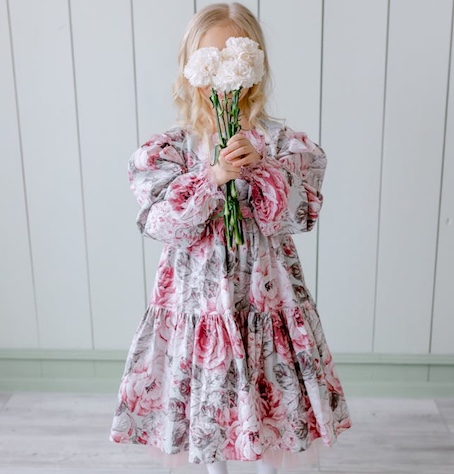
When it comes to big events, the market for Custom Girls Dresses is absolutely exploding. But in the world of bespoke fashion, looking “pretty” is only half the job. If a dress is beautiful but the child is miserable, the design has totally failed. We need to create pieces that feel as good as they look.
Balancing Style with Real Comfort
To make a dress a success, you need to make sure you get the following technical details right:
- French Seams: You want the inside of the dress to be on the same level of smoothness as the outside. Using French seams hides raw edges. This means nothing itches or rubs against sensitive skin.
- Breathable Linings: Forget cheap polyester. Stick to silk or cotton voile linings. These natural fibers breathe. It stops that “sweaty” feeling that ruins a big day.
- Practical Fastenings: There’s nothing worse than a zip that snags or buttons that go flying. Use high-quality, smooth-running zips. And also secure fastenings that are easy for parents to manage, but tough enough to stay in place.
Signature Elements: Unique “Mini-Me” Styles
Bespoke isn’t just about the fit, it’s about the soul. You can use custom embroidery and unique shapes. It will reflect a child’s true personality. In 2026, two trends are dominating. It’s all about the 3D textures and the vintage vibes.
From Concept to Closet: Managing the Production Process
Turning a sketch into a wearable kids’ fashion, is a process that requires a clear plan. Here is how to go about the production cycle:
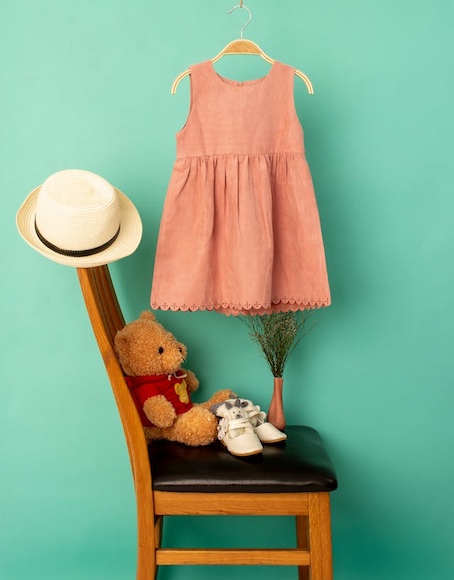
- Step 1: Define the Vision. Focus on the “hand-feel” and seasonal weights. For 2026, we’re seeing a move toward earth tones. Like terracotta and sage in breathable linens for summer or brushed cottons for winter.
- Step 2: Source a Specialist. Partner with a Kids Clothing Manufacturer that knows the “fine print.” Especially the lead-free hardware and flammability rules.
- Step 3: Technical Sampling. Never skip the “first fit” sample. This is your safety net to test button strength and movement before the final run.
5 Common Mistakes to Avoid When Ordering Custom Kids’ Clothes
Custom production is an investment. So, please make sure that you don’t let these five mistakes ruin your first run.
- Ignoring the “Growth Gap”: If you order a perfect fit today, it might be too small in two months. Always ask for “growth-friendly” features like adjustable waistbands or deep hems.
- Forgetting the Calendar: Custom work is an art, not an “instant delivery” service. Most quality makers need 4 to 8 weeks to do the job right.
- Washing it Wrong: The high-end fabrics need some extra love. Using a hot dryer on a bespoke wool blend is just a recipe for disaster. Make sure that you always follow the care label.
- Guessing the Size: Age is just a number; measurements are the truth. Always provide the actual chest and height specs.
- Skipping the Proof: Always double-check digital mock-ups for spelling or color. Once it’s embroidered, there’s no going back!
Safety Compliance and Durability in Custom Kids’ Fashion Production
In our industry, “Quality over Quantity” is the benchmark. If you’re targeting the US market, you must be aware of CPSIA and CPSC rules:
- Hardware Safety: Every snap and zip must be lead-free. It also must be secure enough to pass a “pull test”. This is so they don’t become a choke hazard.
- The Cord Rule: To keep things safe, US law doesn’t allow drawstrings around the neck or hood for toddler sizes to avoid entanglement risks.
- Chemical Transparency: Going custom allows you to choose materials that haven’t been treated with harsh chemicals.
Building a Durable Future in the Custom Kids’ Market
Switching to custom kids’ fashion is more than a trend. It’s a total reset of how the childrenswear business operates. When we team up with specialized kids clothing manufacturers and pick out premium fabrics, we aren’t just making a product. We’re creating something that actually lasts. It’s about making sure what our kids wear can keep up with them. And also stay as unique as they are.
Whether you are a designer or a parent, going custom is how you vote for quality in a world of fast fashion. We at Fashion Capital can’t wait to see how these “tiny trendsetters” keep pushing the industry in a better direction.
Images by Hannah Auramenka, Dang Thanh Tu and Markus Winkler via pexels.com


