


How the Hermès Birkin Became the Most Coveted Bag in Modern Luxury
27-05-2026


The Birkin was born on a flight in 1984. Jane Birkin, the actress, sat next to Jean-Louis Dumas, the chairman of Hermès, on an Air France flight from Paris to London. Her bag spilled. She complained that no handbag existed that could actually hold her life. Dumas sketched a design on the back of an airline sick bag, and the sketch eventually became the most studied object in the modern history of Luxury bags and Sneakers, the single accessory that has defined what high-end ownership looks like across four decades and across every market in the world. At the top end of the auction market, a single Birkin in exotic skin has sold for more than half a million dollars.
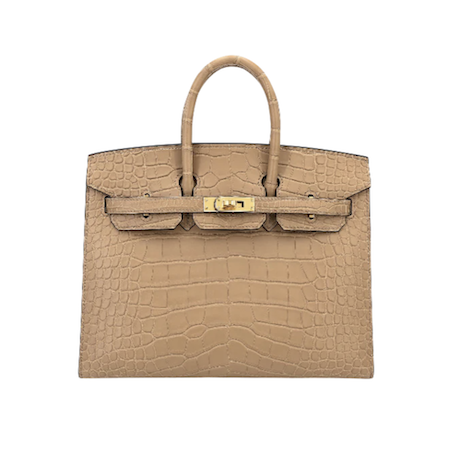
What separates the Birkin from every other handbag is not the design alone, but the deliberate scarcity that surrounds it. Hermès produces a limited number of Birkins each year, allocates them through a network of boutique sales associates rather than open retail channels, and refuses to maintain a public waiting list. The result is a parallel market where the same bag can sell for two to three times its retail price within months of leaving the boutique. The most requested configuration globally is the Hermès Birkin 25, the smallest of the practical sizes, which has overtaken the original 30cm size as the dominant choice for buyers under 40 since 2022.
The three sizes that matter
The Birkin comes in several sizes, but three of them carry the cultural weight. The 25 is the daily and social size, worn at lunches, at brunches, and at the events where the bag itself becomes part of the outfit. The 30 is the original Jane Birkin proportion, the most versatile across age groups, and the safest first Birkin for any buyer who wants the iconic version without the trend-driven read of the smaller 25. The 35 is the practical working bag, fitting a 13 inch laptop and the actual daily essentials of a working professional, and remains the most useful Birkin for buyers who carry rather than display.
The leather hierarchy
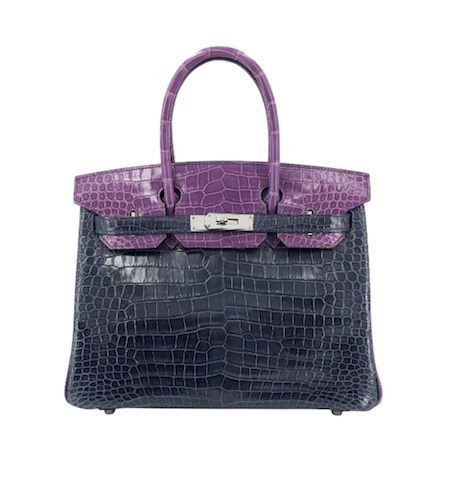
Hermès produces the Birkin in dozens of leather types, but three dominate the modern market. Togo is the most common, slightly textured, scratch resistant, and the safest first choice for first-time buyers. Epsom is the printed structured leather that holds its shape sharply and reads more formal in photographs. Clemence sits softer, with a deeper grain and a more relaxed drape that suits casual wear better than business contexts. Above this tier sit the rarer materials, including Box calf for vintage collectors, Chevre goat leather for buyers prioritising lightweight construction, and exotic skins like Niloticus crocodile and ostrich, which carry the strongest collector premiums of any Birkin material.
The colour code
Three colours dominate resale value across every size. Etoupe is the Hermès greige, a warm taupe sitting between dove grey and sand, and the most universally appropriate first choice. Noir, the classic black, holds value indefinitely and remains the safest investment colour across both day and evening wear. Gold, the warm tan, is the most photographed Hermès colour, and pairs with the widest range of wardrobes from casual to formal. Beyond these three, the seasonal colours that Hermès releases in limited runs, including specific blues, greens, and reds, often command stronger premiums than the standard palette once they are no longer in production.
Why it endures
The Birkin has not been disrupted by any trend, any cultural shift, or any competing house’s launch in the four decades since its creation. The Chanel Classic Flap has aged. The Louis Vuitton monogram has been reinvented multiple times. The Birkin has held its position because Hermès has refused to expand production to meet demand, refused to introduce limited editions that dilute the silhouette, and refused to allow the bag to become available to anyone willing to pay retail. The Hermès Birkin 30 in particular has become the closest thing the luxury market has to a guaranteed appreciating asset, with resale data showing consistent multi-year price growth across both colours and leathers.
The bag’s cultural permanence is a deliberate construction. Hermès has built the most successful exercise in scarcity in modern luxury history, and the Birkin is the proof that scarcity, properly maintained, can outlast trend cycles indefinitely.


