


SS27: The Colours of India & Sari Heritage Inspiring Future Fashion
09-06-2026


Trend Direction: East Meets West
As fashion continues to embrace cultural storytelling, craftsmanship, and sustainable design, India emerges as a powerful source of inspiration for Spring/Summer 2027. From the vibrant colours of native flowers and spices to the rich textile heritage of the sari, designers across the UK and Europe are increasingly looking eastward for creative direction.
This trend celebrates the fusion of traditional Indian aesthetics with contemporary Western silhouettes, resulting in collections that feel both globally inspired and commercially relevant. Rich colour combinations, floral motifs, artisanal textiles, draping techniques, and sustainable reuse are shaping a new design narrative where heritage meets innovation.
Colour Forecast: Inspired by India’s Natural Landscape
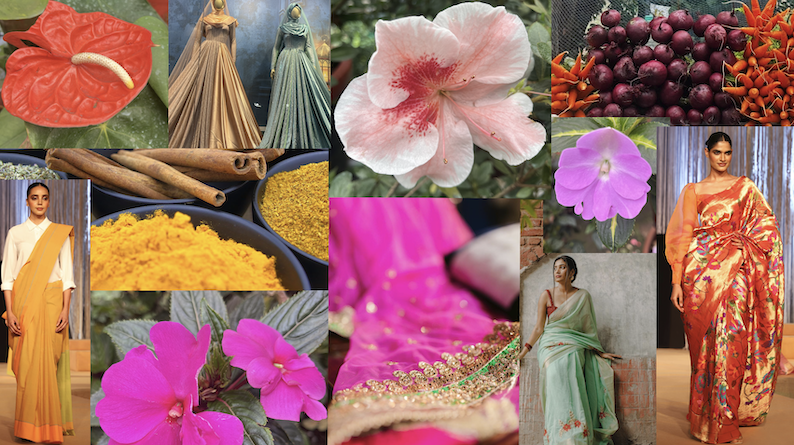
India’s landscape is a kaleidoscope of colour. From blooming marigold fields and lotus ponds to spice markets overflowing with turmeric, saffron and chilli, nature provides an endless palette for fashion designers.
Key Colours for Spring/Summer 2027
Marigold Yellow
A joyful, optimistic shade inspired by India’s iconic marigold flower, traditionally used in celebrations and festivals.
Saffron Orange
Warm and energetic, reflecting both spice markets and sunset landscapes.
Lotus Pink
Soft and feminine, offering a modern pastel alternative for occasionwear and relaxed tailoring.
Jasmine White
A fresh neutral that brings lightness and sophistication to summer collections.
Indigo Blue
Inspired by the historic Indigo plant used in textile dyeing for centuries, adding depth and heritage appeal.
Bougainvillea Fuchsia
Bold, saturated pinks create statement pieces and vibrant print stories.
Turmeric Gold
An earthy yellow-gold tone that works beautifully with natural fibres and handcrafted textiles.
Mango Green
A fresh botanical green bringing balance and sustainability-focused messaging.
Floral Influence: From Garden to Garment
Floral motifs remain a key trend direction, but Indian-inspired florals offer a richer and more expressive alternative to traditional Western florals.
While British floral prints often feature delicate, scattered blooms, Indian textile traditions embrace larger-scale motifs, denser compositions and vibrant colour contrasts. Traditional designs inspired by marigolds, lotus flowers, jasmine blossoms and paisley (buta) motifs are finding renewed relevance within contemporary fashion.
For Spring/Summer 2027, expect to see:
- Oversized floral placements
- Layered botanical prints
- Hand-painted floral artwork
- Block-printed surface decoration
- Embroidered floral motifs
- Mixed-scale print combinations
These elements bring drama and visual impact while maintaining a connection to nature and craftsmanship.
The Sari as a Design Influence
The sari is one of the world’s most versatile garments. Beyond its cultural significance, it offers valuable inspiration for contemporary fashion design through its use of drape, movement, colour and textile construction.
Across South India, a variety of sari traditions showcase distinct techniques and aesthetic identities:
Kanjivaram (Tamil Nadu)
Known for luxurious silk, contrasting colours and ornate gold zari borders. The bold colour blocking and statement borders offer inspiration for eveningwear, occasion dressing and premium fashion collections.
Kasavu (Kerala)
Characterised by cream cotton fabric and striking gold borders. Its minimalist elegance aligns perfectly with the growing demand for quiet luxury and elevated summer dressing.
Mysore Silk (Karnataka)
Lightweight silk with subtle lustre and refined simplicity. An ideal influence for fluid separates and modern occasionwear.
Pochampally Ikat (Telangana)
Recognised for geometric patterns created through intricate tie-dye techniques. The blurred, feathered motifs translate effectively into contemporary prints and digital textile design.
Gadwal
Combining cotton bodies with silk borders, Gadwal saris demonstrate innovative textile construction and material mixing.
Chettinad Cotton
Bold checks, stripes and vibrant colour combinations create inspiration for contemporary resortwear and casual collections.
Mangalagiri and Uppada
Lightweight weaves with elegant borders and floating motifs align strongly with current consumer demand for breathable luxury.
Kalamkari
Hand-painted and block-printed textiles featuring natural dyes and storytelling motifs. These techniques resonate with the growing appreciation for artisanal and sustainable fashion.
Draping: A New Silhouette Direction
One of the strongest influences emerging from sari culture is the art of draping. As fashion moves away from rigid tailoring toward softer, more fluid forms, designers are exploring garments that wrap, fold and flow around the body. Inspired by sari construction, Spring/Summer 2027 silhouettes are expected to feature:
- Asymmetric draping
- Wrap dresses
- Layered panels
- Fluid wide-leg trousers
- Convertible garments
- Scarf-inspired details
- One-shoulder silhouettes
- Draped sleeves and necklines
These designs create movement while offering versatility and comfort.
East Meets West Styling
The fusion of Indian heritage and Western fashion continues to gain momentum, particularly among younger consumers seeking individuality and cultural authenticity.
Key styling directions include:
- Structured blazers paired with draped skirts
- Tailored co-ords in sari-inspired prints
- Contemporary dresses featuring traditional borders
- Embroidered denim and utility wear
- Heritage textiles used in modern streetwear
- Layered scarves and shawls inspired by sari draping
- Artisan embellishments applied to minimalist silhouettes
This blending of cultures creates fashion that feels globally connected while celebrating craftsmanship and identity.
Sustainability Through Sari Reuse
One of the most exciting developments influencing European fashion is the reuse and upcycling of vintage saris.
Across the UK and Europe, designers are increasingly transforming pre-loved silk and cotton saris into:
- Contemporary dresses
- Jackets and coats
- Patchwork garments
- Accessories
- Occasionwear
- Limited-edition collections
Each sari carries a unique history, allowing designers to create one-of-a-kind products while reducing textile waste.
The practice aligns strongly with circular fashion principles and responds to growing consumer demand for transparency, sustainability and meaningful design.
Natural Fibres and Responsible Luxury
Many traditional Indian textiles are created using natural fibres including:
- Cotton
- Silk
- Linen blends
- Plant-based dyes
As European brands seek alternatives to synthetic fabrics, these materials provide valuable inspiration for responsible product development.
Consumers are increasingly investing in garments that combine longevity, craftsmanship and environmental responsibility. The emphasis on handweaving, natural dyeing and artisanal production offers a blueprint for a more sustainable fashion future.
Spring/Summer 2027 will see the continued rise of culturally inspired design, with India’s colours, flowers and sari traditions playing a significant role in shaping fashion across the UK and Europe.
Expect to see:
Vibrant botanical colour palettes
Bold floral motifs
Rich artisanal textiles
Fluid draping and movement
East-meets-West styling
Upcycled sari collections
Natural fibres and sustainable craftsmanship
By combining centuries-old textile traditions with contemporary design thinking, the fashion industry can create collections that are visually striking, culturally respectful and environmentally conscious.
Images by Jenny and Tim Holloway, and courtesy of pexels.com


