


New Research Reveals Sensory Retail Tactics That Can Unlock Extra Customer Spend
14-08-2026


Scent, sound and store design are driving footfall, dwell time and basket spend on the high street – new research reveals what independent retailers can do to capitalise
Independent retailers could be missing out on over £1,000 a year in extra customer spend by overlooking one of the most cost-effective levers available to them: the senses. New research has uncovered the secrets to creating the perfect in-store experience, and it comes down to a highly-curated, multi-sensory approach, including distinctive, warming scents, soft ambient lighting and the right playlist.
Four in five shoppers (83%) said they can tell immediately whether a retailer has put time and effort into creating a nice ambience, whether that’s the lighting, the layout, the scent or the soundtrack.
The new data, commissioned by Faire, the online wholesale marketplace – and backed by a range of independent experts spanning consumer psychology, scent design and retail behaviour – shows that creating the perfect welcome can do more heavy lifting on the shop floor than most retailers realise, offering a low-cost lever for driving revenue without resorting to discounting.
When asked how they would react if an independent shop had clearly put thought into how it looks, sounds and smells, 87% of all shoppers said they would stay longer than planned, 86% said they would browse more and nearly three-quarters (73%) said they would spend more than intended – all of which translate directly into bigger baskets and more repeat visits.
For retailers who get it wrong? Nearly three in four shoppers (74%) have avoided walking into a shop altogether because it looked bland, harsh or unappealing – proof that a bad first impression can cost a sale before a shopper has even picked anything up. Loud music is the second biggest culprit, putting off 53% of shoppers, followed by pushy staff (43%), bad or overpowering smells (37%), messy shelves (36%) and cluttered layouts (32%).
Charles Spence, Professor of Experimental Psychology at the University of Oxford, who has spent over two decades researching how our senses shape behaviour, says physical shops have an advantage no screen can replicate.
He said: “There’s a real sensory imbalance in modern retail. Our eyes and ears are overstimulated everywhere we go, through screens, adverts and notifications, while touch, taste and smell are left almost completely understimulated. The shops that do best are the ones that lean into those senses, rather than just adding more lighting or louder music. Something as simple as a bunch of scented flowers by the till, or letting people handle a fabric or product, does more than most retailers realise. There’s even a recognised phenomenon called the Midas Touch effect, where a brief, natural touch from a member of staff makes people respond more warmly to a brand. None of it works if it feels forced, but get the senses right, and a shop gives people something a screen simply cannot.”
Cathrine Jansson-Boyd, Professor of Consumer Psychology, who has spent decades researching how consumers think, feel and act, and has written and edited five books on the subject, explains why these details carry so much commercial weight for retailers.
She said: “There’s a genuine psychological reason atmosphere converts browsers into buyers, and it’s worth retailers understanding the mechanics behind it. When a customer picks something up and handles it, it can trigger what’s known as psychological ownership – on some level they start to feel the item is already theirs, which makes them more reluctant to put it down and more likely to buy it. That’s a strong argument for open, touchable displays over locked cabinets or overly precious merchandising. Scent works differently but just as powerfully: it’s closely tied to memory, so a pleasant smell can leave a positive impression that lingers long after a customer has left, while an overpowering one does the opposite. Retailers should also know that most shoppers make up their minds about a shop within about 20 seconds of walking in, often without realising it – so lighting, layout and that first sensory hit matter as much as anything on the shelf.”
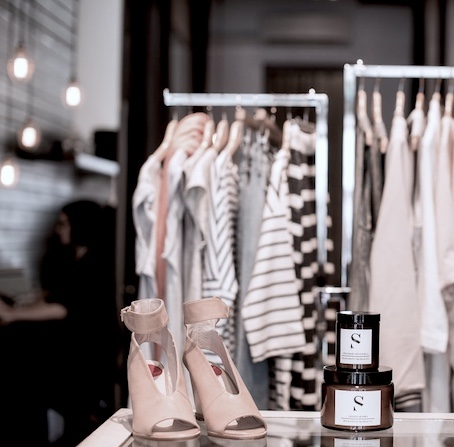
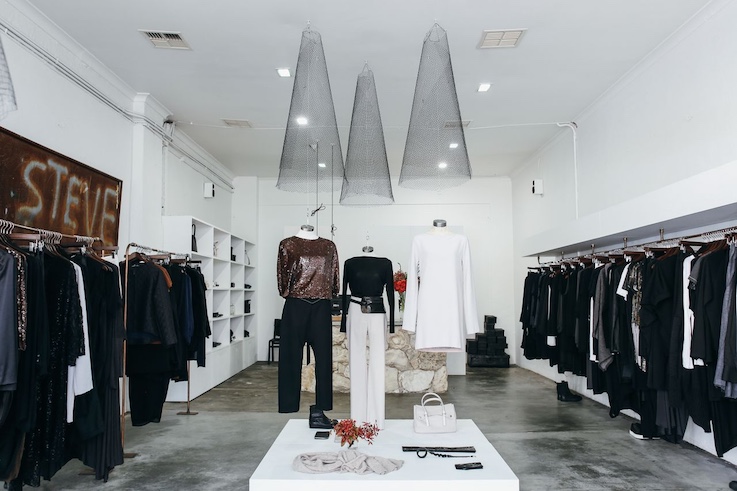
Natural daylight was the most likely to persuade shoppers to stay longer (42%), followed by warm amber lighting (34%) and soft lamp style lighting rather than overhead lights (22%) – simple, relatively low-cost changes retailers can make without a full shopfit.
Vanilla was the scent most likely to make Brits remain inside for longer (39%), ahead of fresh linen or clean cotton (32%), citrus (23%), floral scents (22%), woody scents such as sandalwood or oud (20%) and coffee (19%).
Pop music was the soundtrack most likely to keep shoppers browsing (26%), while R&B, vinyl records rather than a digital playlist, and 1990s or 2000s throwbacks were each selected by more than one in six (17%). Indie music, live music and lo-fi beats (15%) were among the favourite tunes to shop to, and more than one in ten (14%) preferred no music at all.
Charlotte Broadbent, UK general manager at Faire, said: “Independent retailers are what give the UK high street its character, and this research shows what a difference small details can make to their bottom line. It’s the kind of investment big chains simply aren’t set up for, or agile enough to act on quickly. Independents can curate, adapt and experiment with scent, sound and layout in a way larger retailers can’t, and that is a real point of difference. At Faire, we see the retailers who invest in that kind of curation and in-store experience building the strongest, most loyal customer bases. It doesn’t take a big budget, just a clear understanding of what makes customers want to linger, browse and come back.”
When asked to build their perfect independent shop, shoppers put clean and tidy surroundings first (58%), followed by an easy-to-navigate layout (52%), good lighting (50%), staff who are not pushy (46%) and an attractive window display (43%) high up on the agenda.
Shoppers also revealed the small details that make a shop feel distinctive: vinyl records playing behind the counter (23%), candles on tables (22%), understated neon signs (20%) and plants hanging from the ceiling (19%) all featured on their wish list, alongside practical touches like reusable carrier bags (24%). Even how products are displayed plays a part, with shoppers gravitating towards items styled together as a complete look (33%) over displays split by category – a clear steer for merchandising strategy.
The right in-store ambience is also a key factor in driving return visits. A well-decorated shop and a well-thought-out layout were the two features most likely to make shoppers return more often, cited by 58% of shoppers for each. Smaller touches, from products placed near the checkout to lighting that flatters what’s on the shelves, were also enough to nudge people towards spending more while they were there.
Manchester tops the list of biggest spenders when it comes to the power of store design, with attractive layouts, lighting and displays encouraging shoppers to spend an additional £1,386 over the previous year. Londoners follow (£1,320.10), then shoppers in Newcastle (£1,247.40) – useful benchmarks for retailers assessing the regional return on investing in store experience.
Stephen Spencer, a customer experience expert working across retail, hospitality and visitor attractions, said: “It’s not rocket science, it’s neuroscience. Smells, sounds, all the senses trigger emotions. And if they’re the right emotions for the moment, they give people a higher perception of value. They make them feel more relaxed about spending more money, and they encourage them to stay longer. It really applies to almost any store: you need to start by revisiting your brand’s proposition. Every retailer should work out their own, multi-sensory brand experience. Get the ambience right, it doesn’t just win the sale on the day, it’s what brings people back.”
One retailer already putting these practices to work is luxury fragrance and lifestyle brand Earl of East. It’s built its stores around signature sensory experiences. The business has quickly gone from being a market trader to now having four successful neighbourhood stores, including one on London’s busy Regent Street – a case study in what’s possible when an independent brand treats atmosphere as core strategy rather than an afterthought.
Niko Dafkos, Co-founder said: “The first thing we do when we open our stores is light the candles and the incense. It’s ultimately what people know us for. Our store scent isn’t vanilla, it’s cedarwood, black pepper and vetiver – a very earthy, grounding blend we call Shinrin-yoku, Japanese for forest bathing. Every scent we create has a playlist that comes with it, so if you love the atmosphere in-store, you can recreate it at home. We also curate the store by mindset, not by category. It’s not about convenience, it’s about the experience, and our experience is human-centred.”
Images by Rachel Claire via pexels.com


