


Now On: Schiaparelli: Fashion Becomes Art – V&A London
22-06-2026


“For me, dress designing is not a profession but an art.” – Elsa Schiaparelli
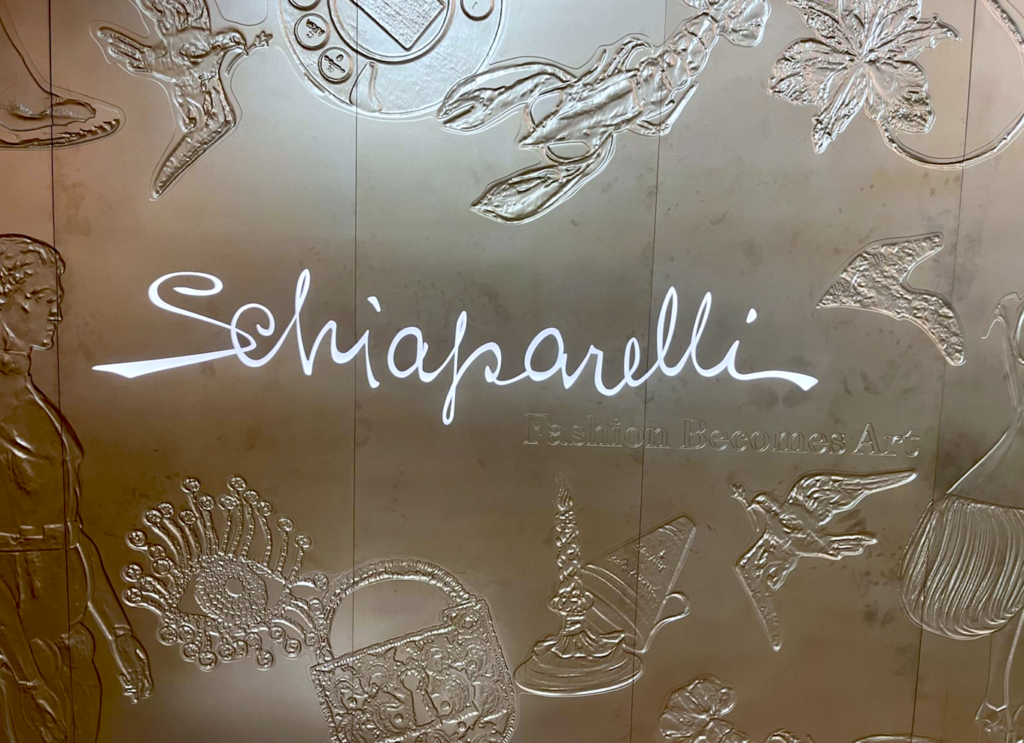
The Victoria and Albert Museum’s current major exhibition Schiaparelli: Fashion Becomes Art explores the extraordinary legacy of the House of Schiaparelli. Founded by the self-taught Elsa Schiaparelli, the exhibition spans from the 1920s to the present day, from its revolutionary beginnings in interwar Paris to its contemporary renaissance under creative director Daniel Roseberry.
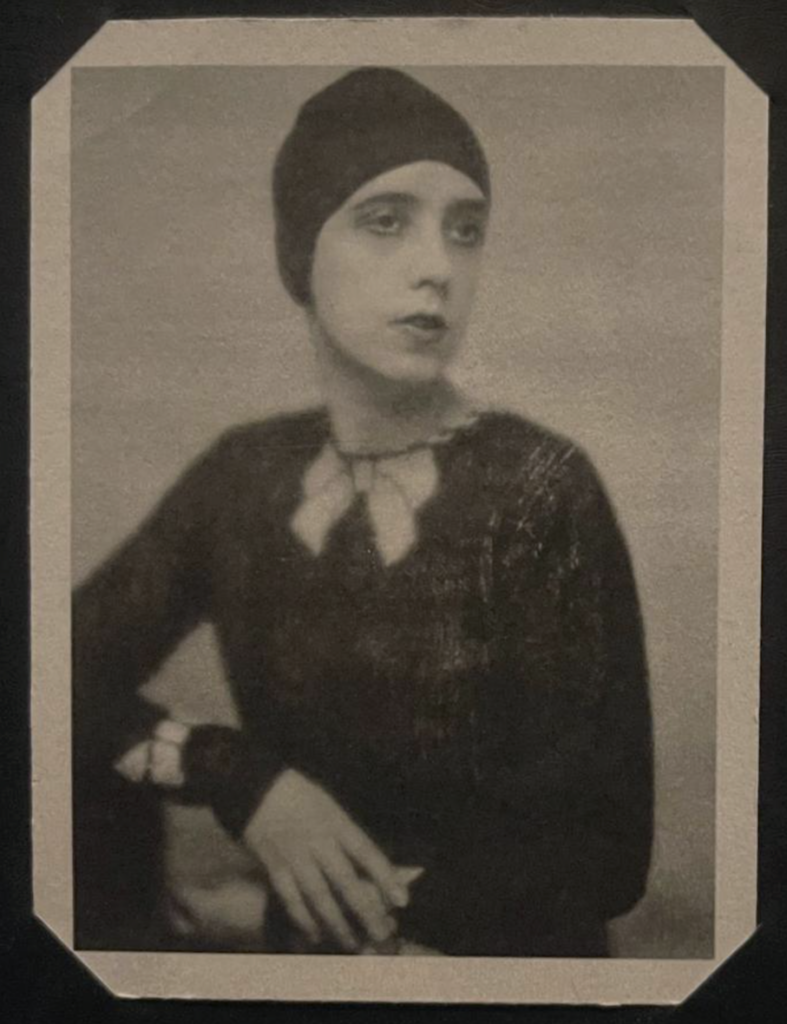
(Elsa Schiaparelli 1928, wearing her bow-knot sweater)
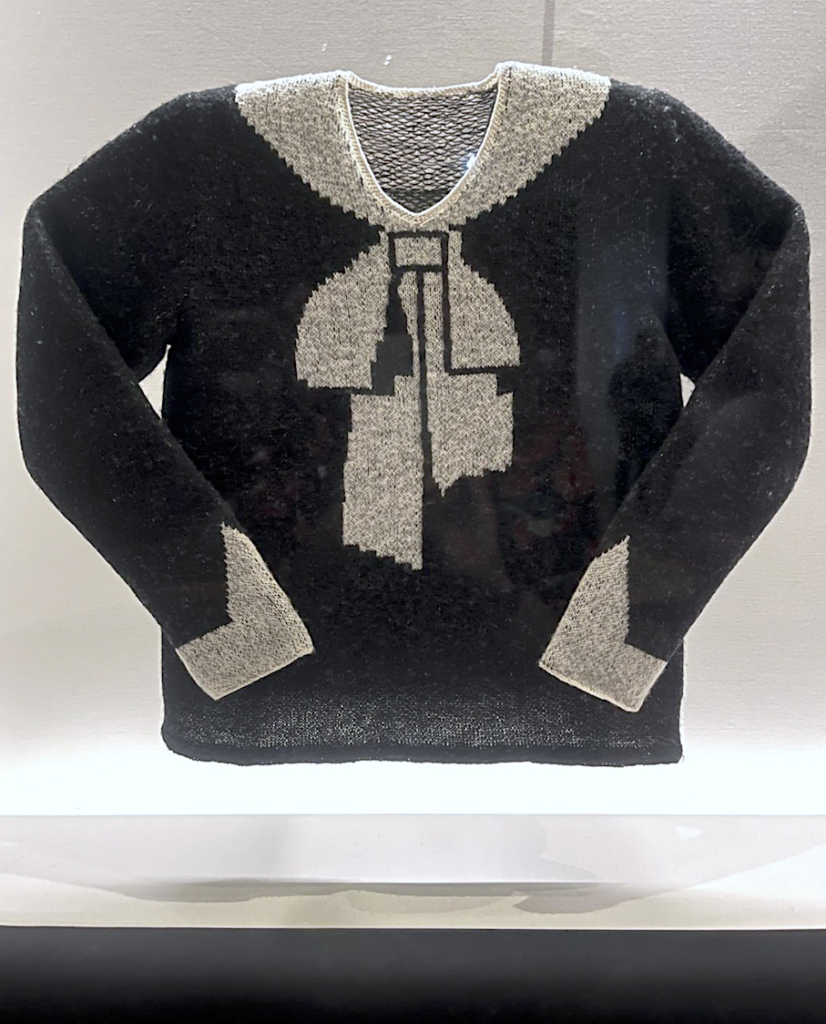
From the outset Schiaparelli did things differently, her preferred design method was achieved by draping on the stand resulting in flattering, timeless silhouettes. Combining fashion with art, performance and surrealism one of her harshest critics Coco Chanel famously dismissed her as “that Italian artist who’s making clothes.”
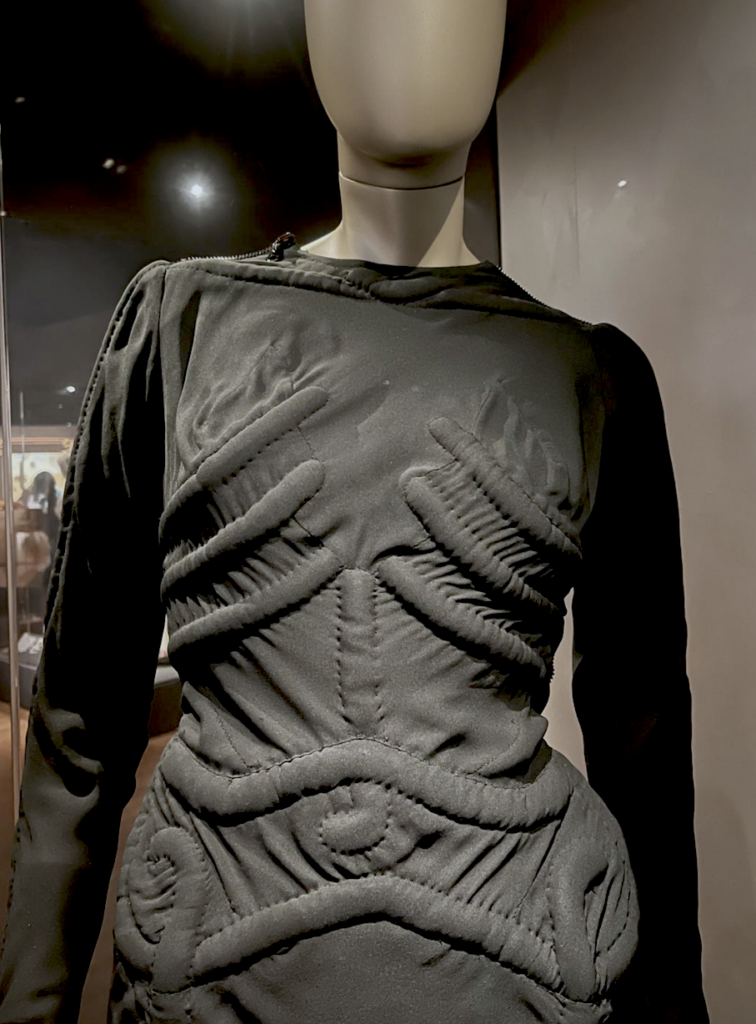
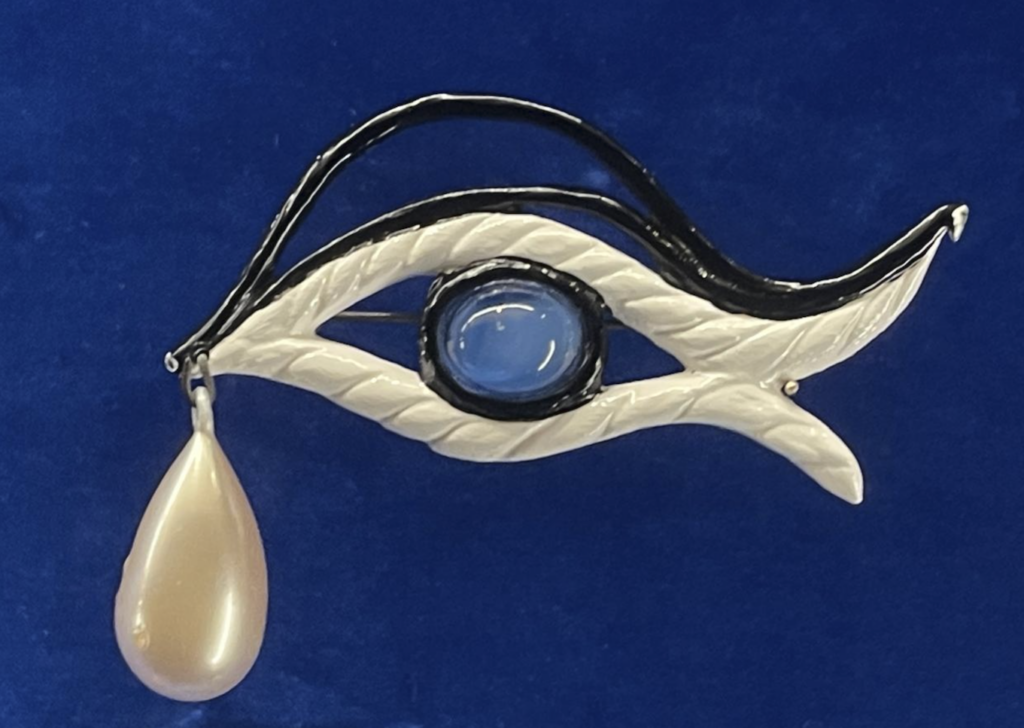
This latest exhibition takes visitors on a House of Schiaparelli journey with over 100 ensembles alongside 50 artworks and a rich collection of accessories, jewellery, photographs, furniture, perfumes and archival material. Visitors encounter some of the designer’s most iconic creations, including the celebrated Skeleton Dress and Tears Dress of 1938, both developed in collaboration with surrealist master Salvador Dalí. The famous shoe hat and lobster print remain as delightfully amusing today as when they were first unleashed on Parisian society.
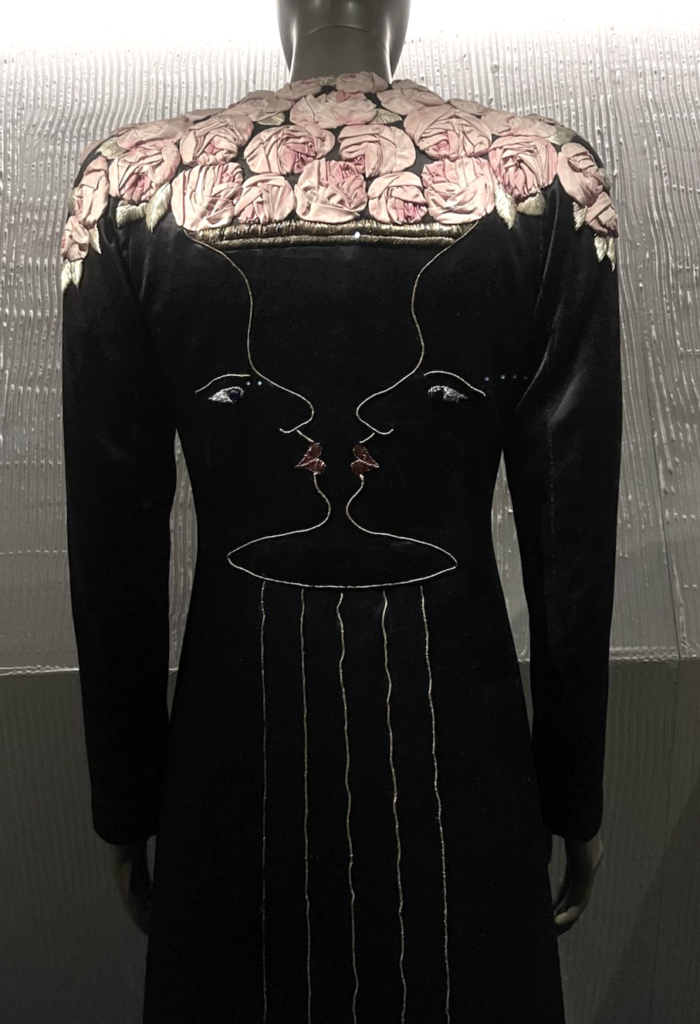
These collaborations reveal Schiaparelli’s extraordinary ability to blur the boundaries between fashion and fine art. Works by Pablo Picasso, Jean Cocteau, Man Ray and Eileen Agar appear alongside her creations, reinforcing the exhibition’s central argument that Schiaparelli was not merely influenced by art but actively participated in its development. Particularly striking is the display of Dalí’s Lobster Telephone alongside the celebrated Lobster Dress that helped inspire it, illustrating the exchange of ideas between designer and artist.
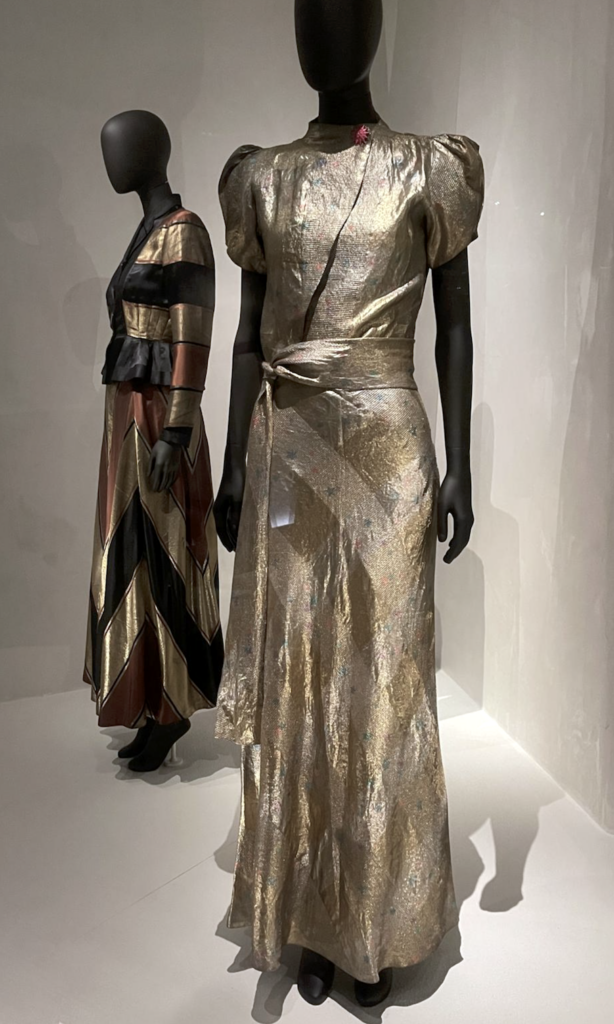
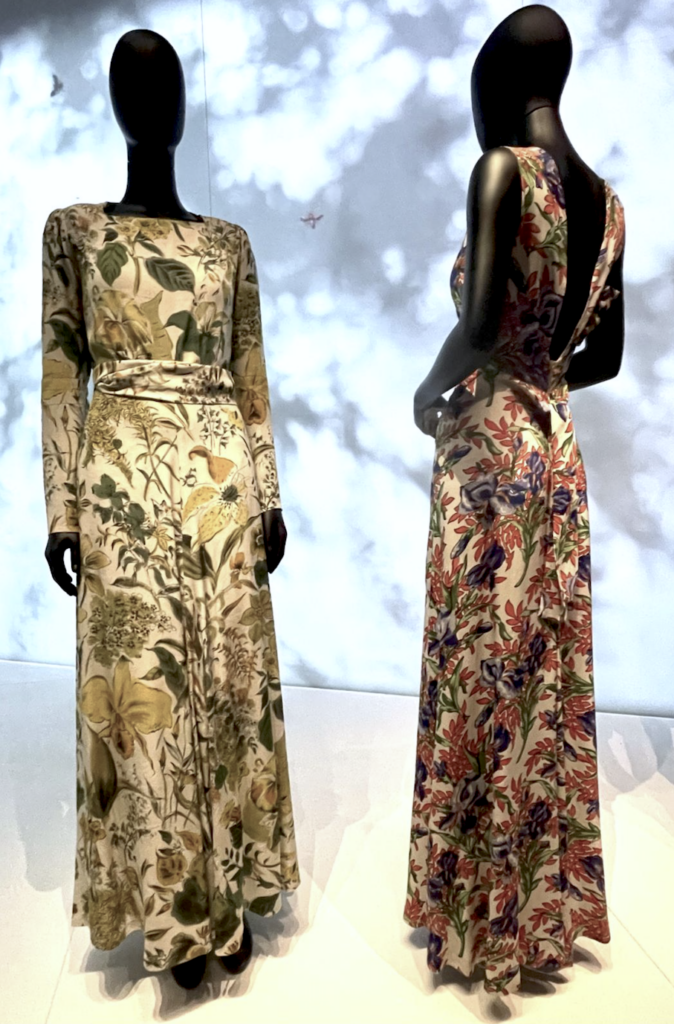
The exhibition also highlights Schiaparelli’s influence beyond the runway. Throughout the 1930s, 1940s and 1950s, she designed costumes for stage and screen productions across Europe and America. Her clientele included some of the era’s most glamorous performers. Mae West wore Schiaparelli designs on screen, while Marlene Dietrich embraced the designer’s impeccably tailored trouser suits, helping cement her international reputation.
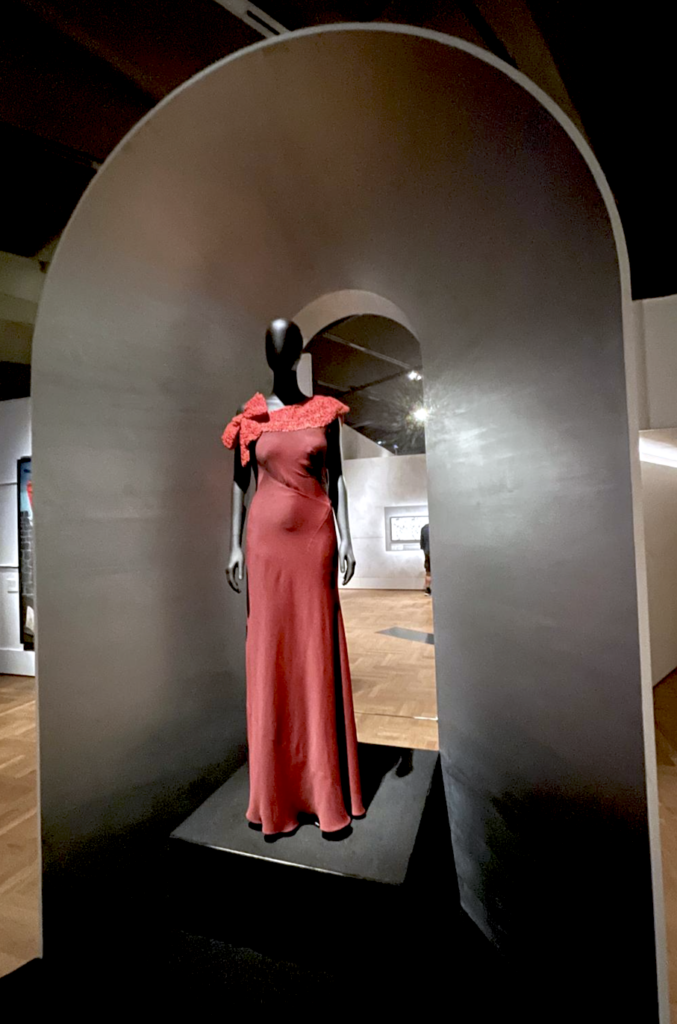
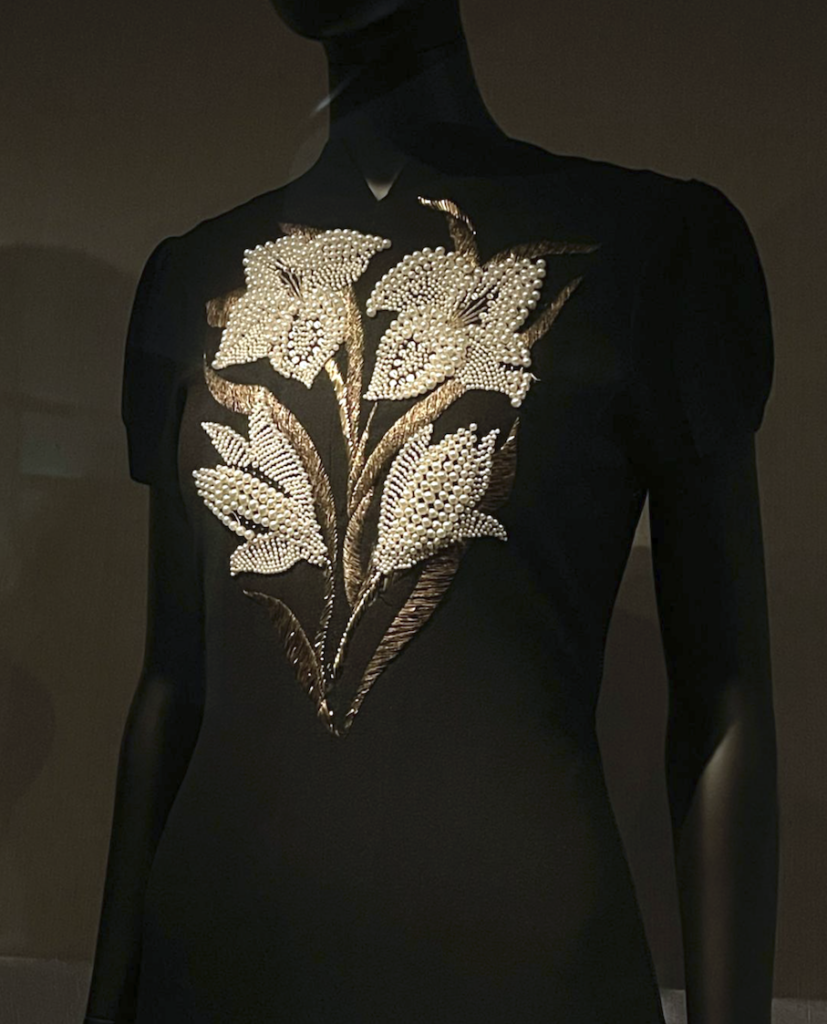
What remains most remarkable about Elsa Schiaparelli’s original work is its enduring modernity. Nearly a century later, many of her designs feel surprisingly contemporary. The fluid silhouettes, playful trompe l’oeil details and flashes of surrealist wit continue to resonate, proving that genuine innovation rarely dates.
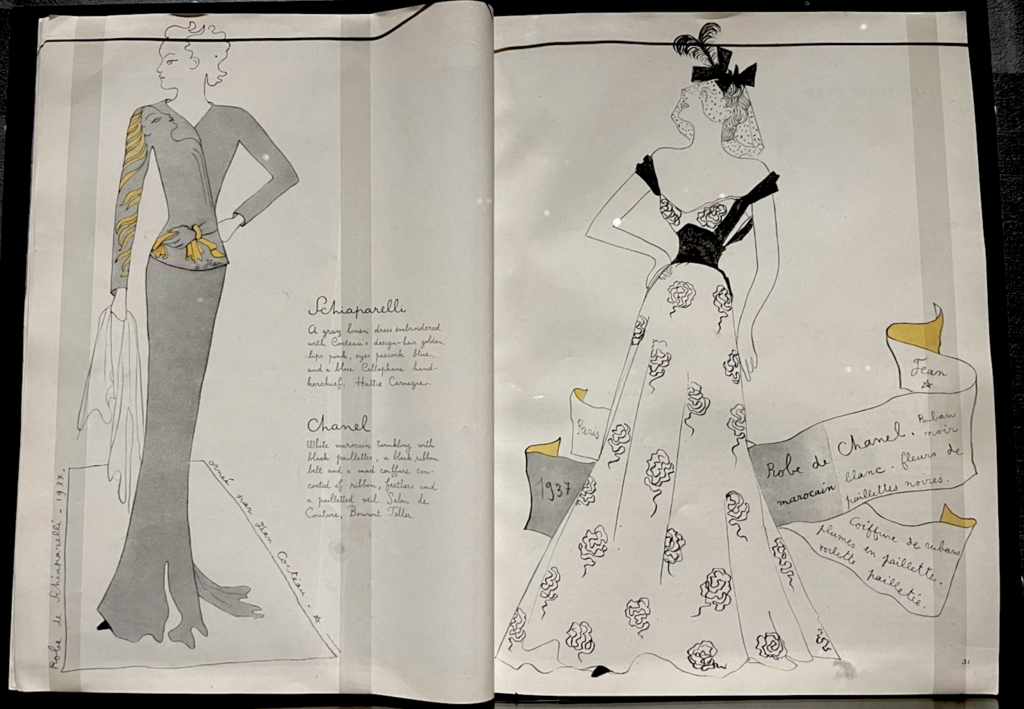
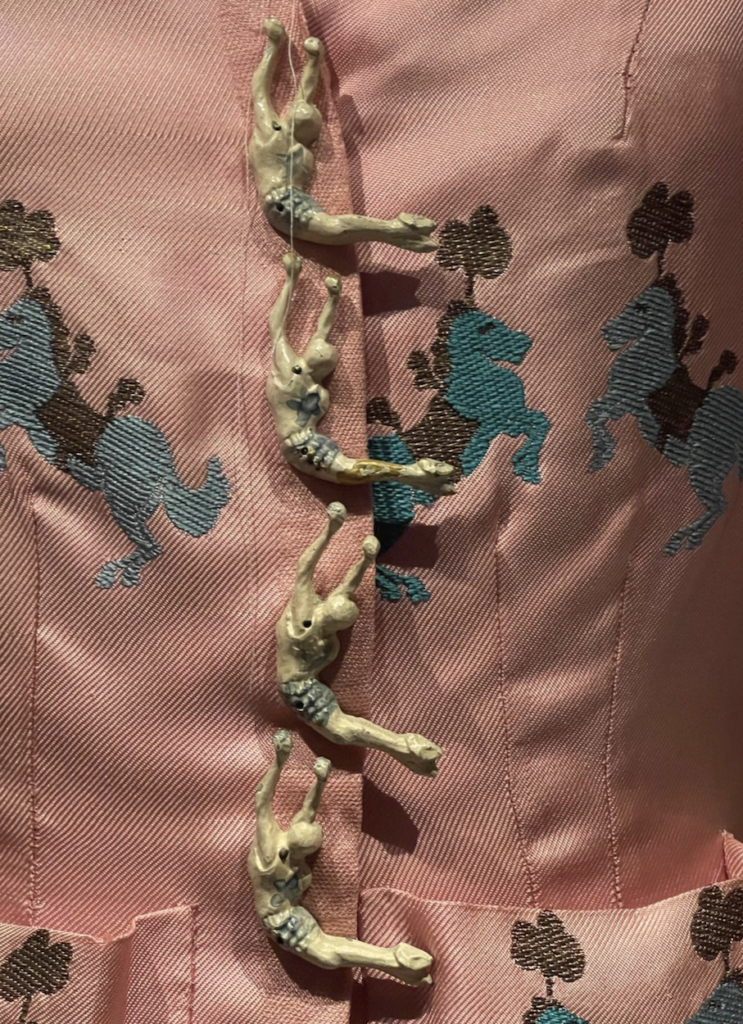
The exhibition’s second narrative focuses on the revival of the House following its closure in 1954 and subsequent relaunch in 2007 by Tod’s Group. While Marco Zanini, Christian Lacroix and Bertrand Guyon each contributed to rebuilding the brand’s identity, it is Daniel Roseberry’s appointment in 2019 that has transformed Schiaparelli into one of fashion’s most culturally relevant houses.
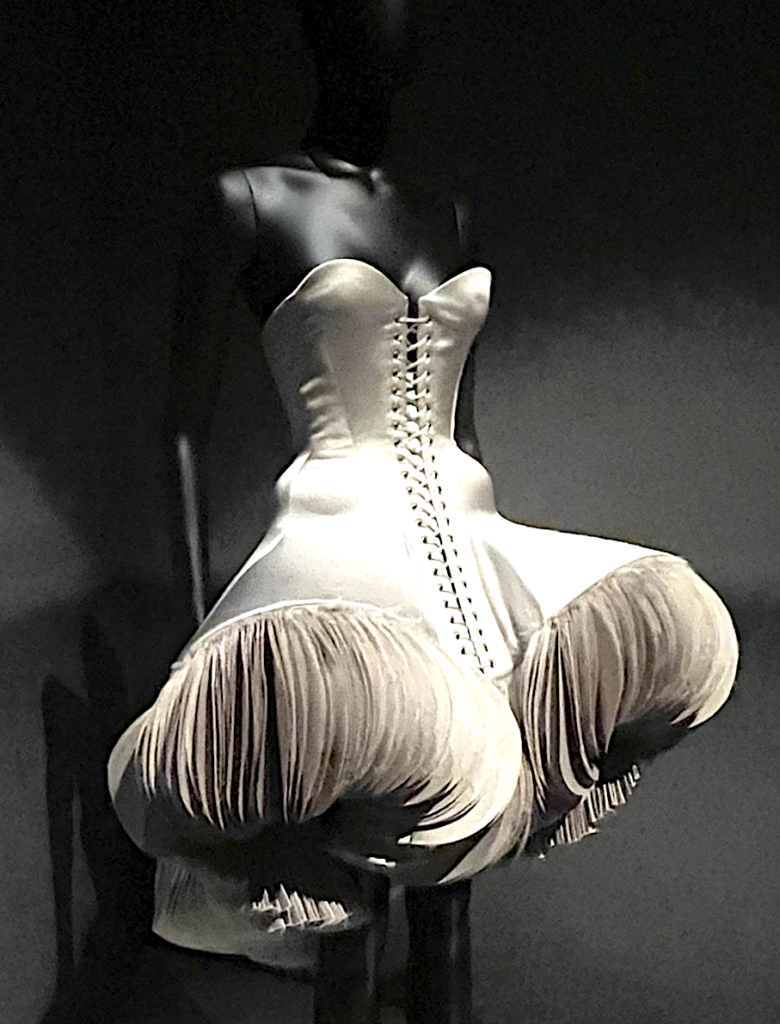
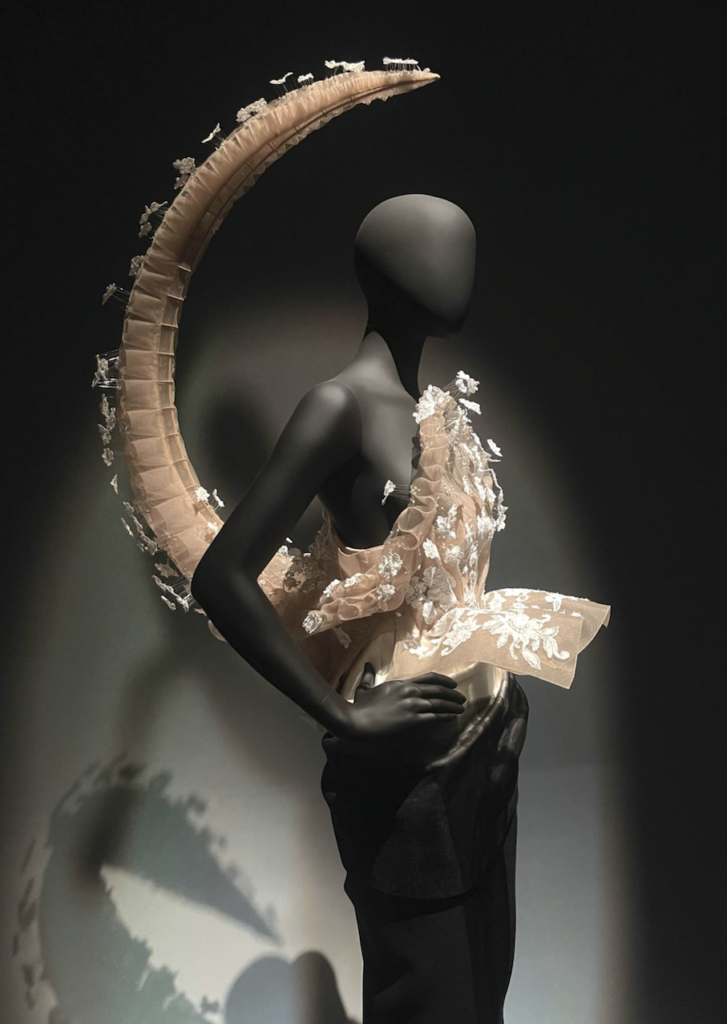
Roseberry has approached the archive with both reverence and confidence. Rather than merely reproducing Elsa’s ideas, he has reinterpreted them for a contemporary audience. His collections are characterised by dramatic sculptural jewellery, exaggerated silhouettes, gilded anatomical motifs and theatrical surrealism. Viral creations, including hyper-realistic animal headpieces and monumental couture gowns, have generated global attention while remaining rooted in Schiaparelli’s original spirit of provocation and fantasy.
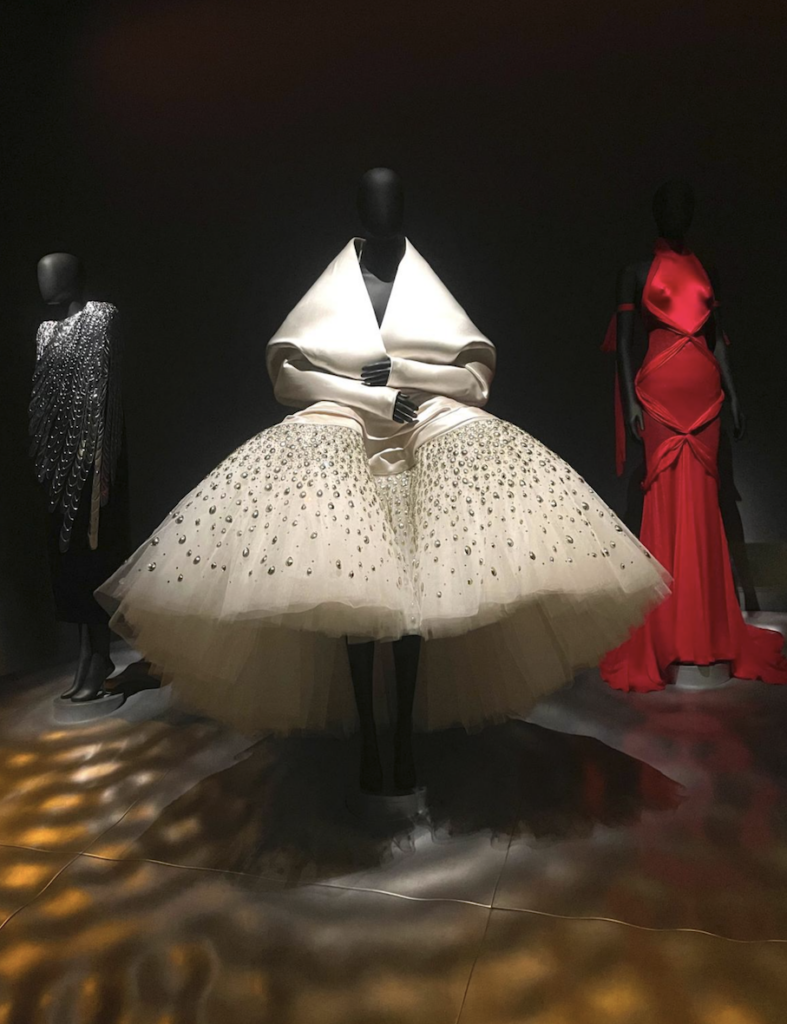
The exhibition gives considerable space to Roseberry’s recent work, and rightly so. Since taking the helm, he has elevated Schiaparelli’s visibility through memorable red-carpet moments worn by figures such as Beyoncé, Lady Gaga, Dua Lipa and Ariana Grande. His success lies in making haute couture culturally relevant again, bridging the gap between rarefied craftsmanship and contemporary celebrity culture.
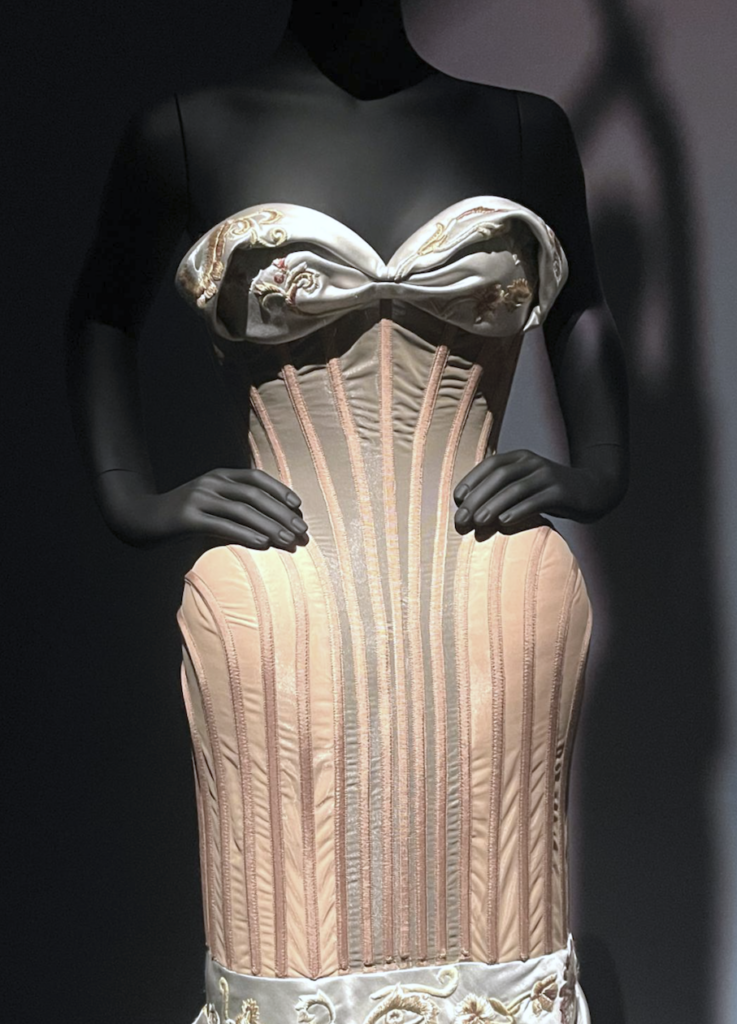
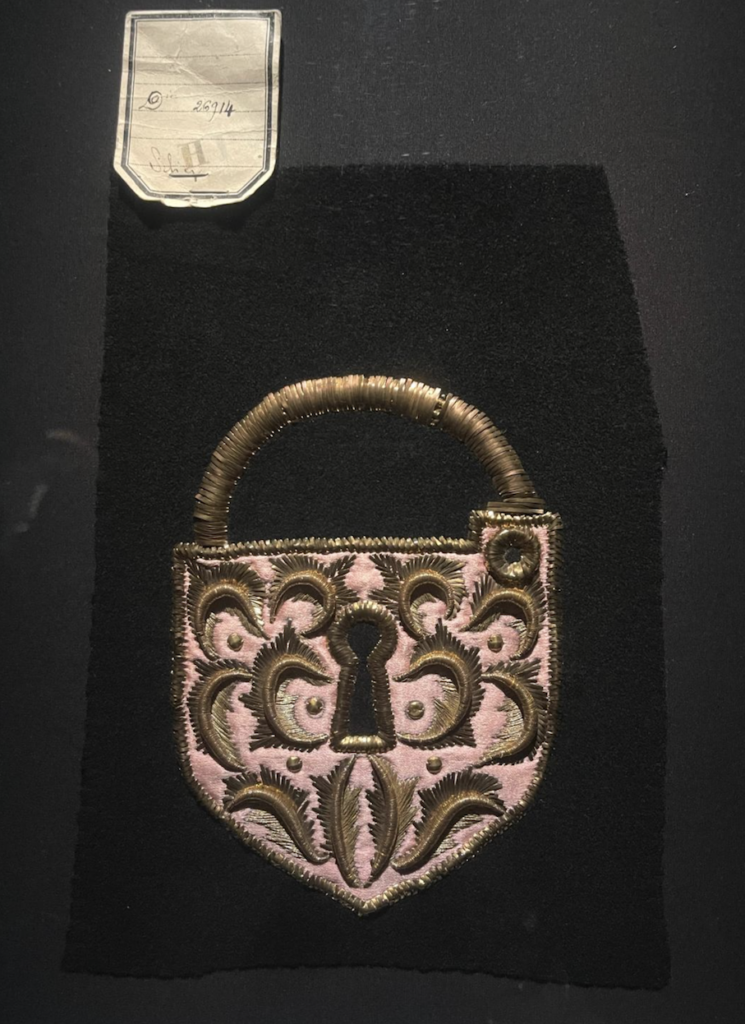
Walking through the galleries, visitors encounter numerous moments of wonder. The craftsmanship on display is consistently breathtaking, from intricate embroidery to sculptural construction. The exhibition balances historical context with visual spectacle, allowing audiences to appreciate both Elsa Schiaparelli’s groundbreaking achievements and Roseberry’s ongoing evolution of the house.
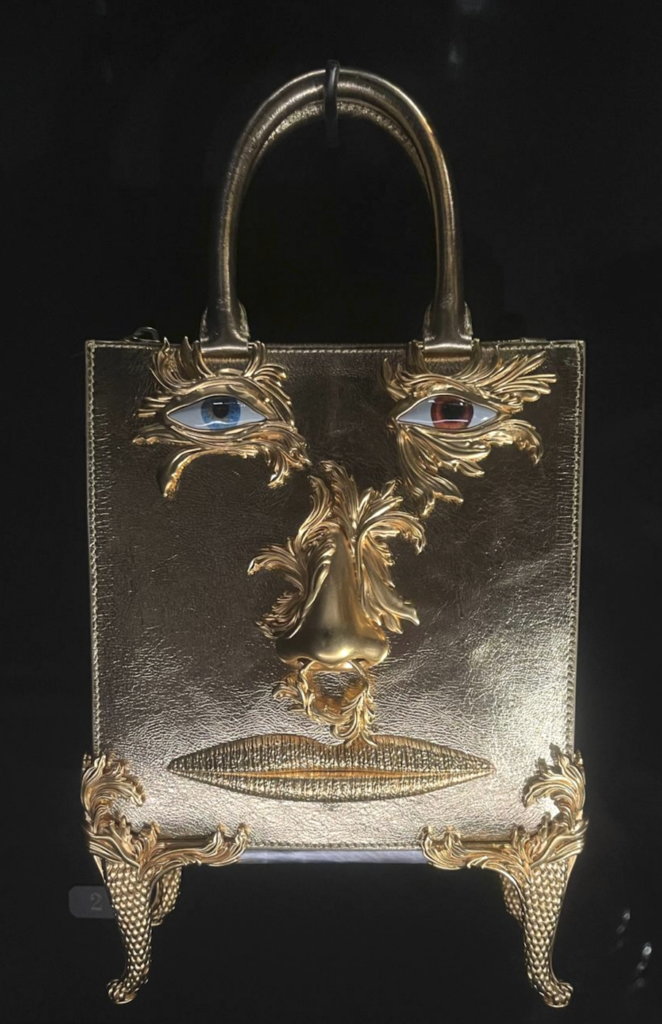
JoJo Iles, FashionCapital Editor commented: “For anyone that is interested in fashion or art this exhibition provides an up-close and personal look at the sheer craftsmanship and grandeur that goes into haute couture. It made me think about all the individuals involved in creating each item and the exceptional skills required. While there is a strong emphasis on Daniel Roseberry’s recent designs that have made the likes of the Oscars and Met Gala, Elsa’s creations hold their own and could easily be worn today. I also got to learn about her association with the UK, from her textile scouting trips to her Mayfair based premises.”
Ultimately, Schiaparelli: Fashion Becomes Art succeeds because it demonstrates that the house’s greatest strength has always been its refusal to recognise boundaries. Between fashion and art, reality and fantasy, elegance and absurdity, Schiaparelli continues to thrive in the space where imagination reigns.
This dazzling and richly curated exhibition confirms Schiaparelli’s place among fashion’s true innovators while celebrating a contemporary revival that captures the same spirit of bold innovation that made Schiaparelli a revolutionary force in her era.
Schiaparelli: Fashion Becomes Art at the Victoria & Albert Museum, London is running until 8th November 2026.
Words and images by JoJo Iles


