


Men’s Tailoring: Specifications To Consider For Destination / High Summer Weddings

31-07-2026


The continued rise in overseas weddings is becoming far more than a travel trend. For designers, bespoke tailors and occasionwear suppliers, it represents a significant shift in how formalwear is being designed, specified and sold.
With Mediterranean destinations such as Mallorca and Sardinia seeing substantial growth in demand from UK travellers, destination ceremonies are increasingly influencing purchasing decisions months before guests even book their flights. The result is a growing emphasis on garments that perform in warmer climates while maintaining the sophistication expected of modern tailoring.
For the menswear industry, designing for destination weddings is no longer a niche consideration. It is beginning to redefine the fundamentals of occasionwear.
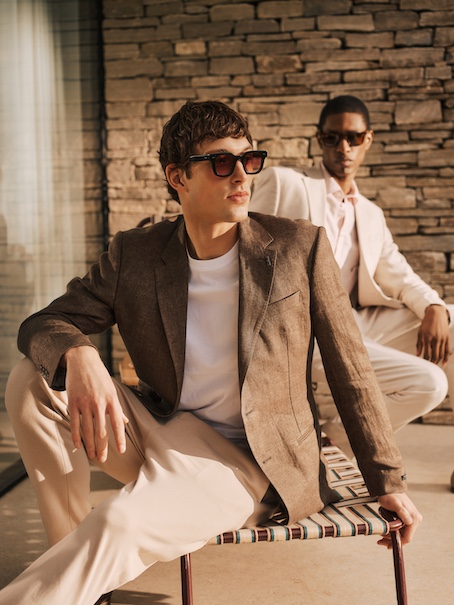
Climate-considered tailoring
Traditionally, formalwear has prioritised structure, weight and drape. However, overseas celebrations require a different design philosophy, where comfort and climate become integral to the garment rather than secondary considerations.
Jess Levick, Assistant Buyer at Suit Direct, believes fabric selection has become the defining factor.
“For a destination wedding, fabric is everything. Linen and linen blends remain the natural choice because they’re breathable and their relaxed character suits the setting. Performance fabrics are also becoming increasingly important, offering wrinkle resistance and stain protection without compromising on appearance.”
This growing preference for lighter construction is encouraging designers to rethink canvassing, lining and garment weight. Unstructured jackets, half linings and softer shoulders are no longer simply aesthetic choices but practical solutions that improve wearability in temperatures that regularly exceed 30°C.
As UK summers become increasingly warmer, many of these same design considerations are proving equally relevant for domestic weddings, extending the commercial lifespan of lightweight tailoring collections.
The rise of performance tailoring
Innovation in technical fabrics continues to blur the line between classic tailoring and performance apparel. Modern performance suiting incorporates nano-technology finishes designed to resist creasing, improve recovery after travel and protect against staining. For retailers and bespoke tailors alike, these characteristics answer one of the biggest concerns among destination wedding guests: arriving with a suit that still looks immaculate.
Rather than replacing natural fibres, performance textiles are increasingly sitting alongside linen and lightweight wool as part of a broader fabric offering that reflects changing consumer expectations around versatility and ease of travel.
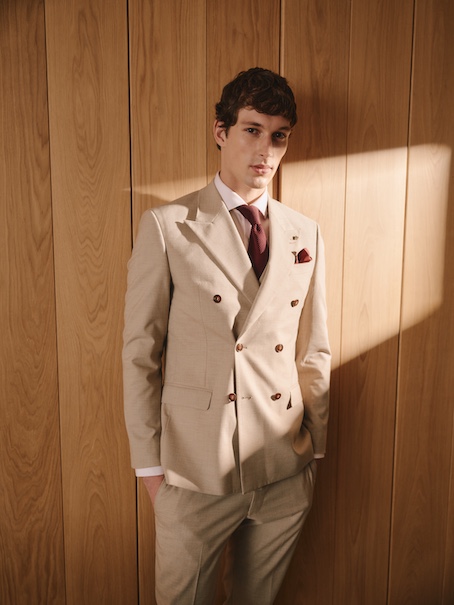
A softer colour palette
Colour palettes are also evolving in response to destination settings. Where traditional occasionwear has long centred around navy, charcoal and black, warmer climates and natural landscapes are encouraging a softer, more organic approach.
According to Levick, pale blue, sage green, dusty pink and ecru are becoming defining shades for destination weddings, reflecting both contemporary styling and the demands of digital photography.
Natural light, coastal backdrops and outdoor ceremonies have elevated colours that appear softer on camera while complementing neutral floral schemes and relaxed venues.
Classic tones remain relevant, with sand, stone, olive and lightweight navy continuing to offer versatility across both daytime ceremonies and evening receptions. Rather than replacing traditional tailoring colours, these shades are expanding the occasionwear palette to reflect different climates and locations.
Designing for the journey
The destination wedding customer is no longer simply buying a suit; they’re buying a garment that must survive airports, cabin luggage and multiple days of travel before it’s worn.
That reality is influencing both product development and retail conversations. Performance fabrics that recover quickly from packing, linen blends that embrace natural texture, and construction techniques that reduce bulk are becoming increasingly valuable selling points.
Even styling advice has become part of the customer experience, from recommending rolled trousers rather than folded ones to suggesting hotel steam as an alternative to pressing garments abroad.
For bespoke tailors, this presents an opportunity to position craftsmanship alongside practicality, demonstrating how thoughtful construction can improve both comfort and longevity without compromising elegance.

The future of occasionwear
Destination weddings are unlikely to be a short-term trend. As consumers continue to prioritise experiential celebrations and warmer-weather ceremonies, the demand for lightweight tailoring, travel-ready fabrics and softer seasonal palettes is expected to grow.
For designers and manufacturers, the shift represents more than a change in styling. It signals a broader evolution in occasionwear, where climate responsiveness, technical innovation and versatility are becoming as important as silhouette and craftsmanship.
The destination wedding may take place thousands of miles from home, but its influence is increasingly shaping the future direction of menswear design.
Images courtesy of Suit Direct


