


Manchester Made & Regions – Calls For Collaborative Practical Action To Strengthen UK Fashion Manufacturing
05-11-2026


Source Fashion, Fashion-Enter Ltd and the Apparel & Textile Manufacturers Federation (ATMF) brought together manufacturers, retailers, brands and industry leaders at Manchester Made & Regions on 4th November, calling for greater collaboration, consistent orders and practical action to strengthen UK fashion manufacturing.
Held at Manchester Hall, the event explored how the industry can rebuild domestic production capacity, protect specialist skills and create more consistent demand for British factories. Against a backdrop of rising global sourcing costs, changing consumer expectations and increasing interest in more regionalised supply chains, speakers examined the commercial opportunities for UK manufacturing, from public procurement and new technology to stronger relationships between brands and local producers.
Industry leaders confront the realities of UK manufacturing
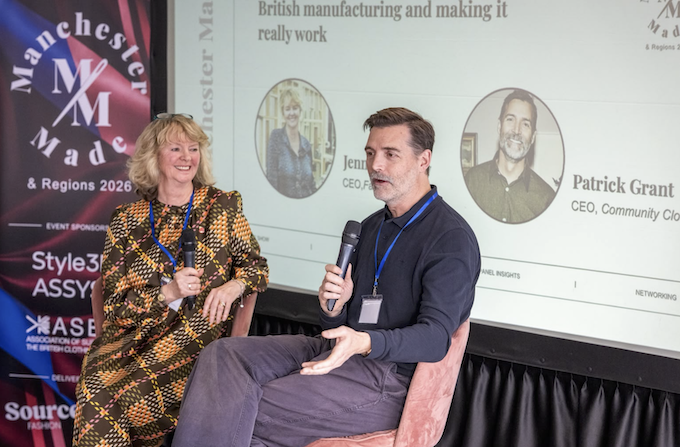
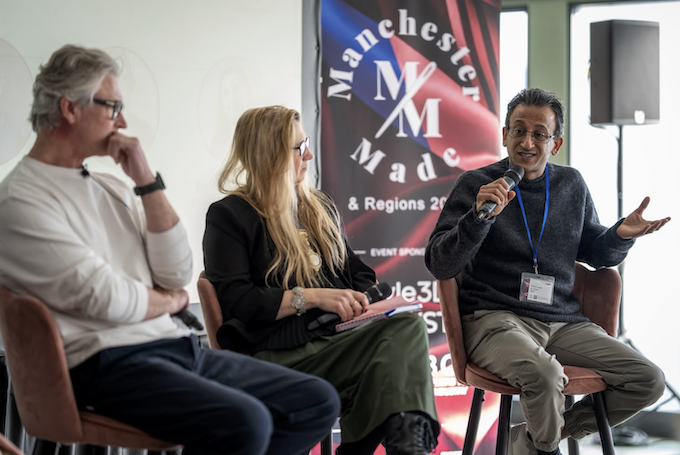
Opening the day’s discussions, a panel chaired by Jenny Holloway, CEO of Fashion-Enter Ltd and Chair of the Apparel & Textile Manufacturers Federation (ATMF), examined the challenges of reindustrialising UK fashion manufacturing, from rising operating costs and declining factory numbers to protecting specialist skills and attracting investment.
Public procurement emerged as a significant opportunity to generate more consistent demand for British factories, enabling manufacturers to invest in equipment, training and future growth. Speakers also called for stronger collaboration across the industry and closer connections between manufacturers, education providers and policymakers.
Jenny Holloway, CEO of Fashion-Enter Ltd and Chair of the ATMF, said: “We have incredibly skilled manufacturers in this country, but it has become far too difficult for many of them to survive. We need to bring the industry together, create more consistent opportunities for British factories and ensure the skills we still have are not lost. Public procurement has the potential to make a real difference, but it needs to translate into orders and investment that support UK businesses.”
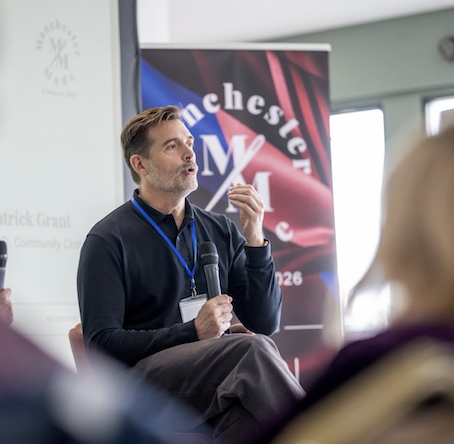
Providing a practical example of how British manufacturing can succeed commercially, Patrick Grant, founder of Community Clothing, explained how the brand has built a network of 59 partner factories across the UK by prioritising long-term supplier relationships, consistent orders and a permanent range of everyday clothing rather than seasonal collections. By reducing traditional retail and marketing overheads and planning production further in advance, Community Clothing aims to offer affordable, high-quality British-made products while providing greater stability for manufacturers. Grant also highlighted that 95p in every pound spent with the business goes back into the UK economy.
Patrick Grant, Founder of Community Clothing, said: “Everybody always says that the UK is an expensive place to manufacture. And right now, with the industry as it is, it is expensive, but it’s good. But if it were twice the size or three times the size, it would get a lot less expensive because the efficiencies in those factories, both operating efficiencies and overhead efficiencies, would start to come down dramatically.”
Changing consumer demand strengthens the case for closer sourcing
Providing a wider market perspective, Marguerite LeRolland of Euromonitor International highlighted how changing consumer expectations, rising costs and global trade pressures are reshaping fashion sourcing strategies across Europe. Presenting the findings of Euromonitor’s latest research, she explained that consumers are increasingly prioritising quality, comfort, durability and value for money, while brands are under growing pressure to build more resilient and responsive supply chains.
LeRolland pointed to a shift towards more diversified and regionalised production, driven by changing tariffs, regulatory requirements and the need to respond more quickly to consumer demand. With locally made products also resonating with shoppers, she highlighted opportunities for fashion businesses to explore near-shoring and re-shoring for selected product lines, while developing stronger relationships with manufacturers closer to their end markets.
Connecting regional capabilities with commercial opportunity
Gemma Gratten, co-founder of Manchester Fashion Week and the Northern Fashion Collective, highlighted how regional initiatives are supporting emerging talent, strengthening industry networks and creating pathways into fashion careers. Innovation was another focus, with Zerotech highlighting how practical technology can help manufacturers improve material efficiency, reduce waste and lower production costs, strengthening the competitiveness of UK manufacturing.
The discussion also explored how Manchester Fashion Week and the Northern Fashion Collective are supporting emerging talent, strengthening regional networks and creating pathways into fashion careers. Innovation was another focus, with Zerotech highlighting how practical technology can help manufacturers improve material efficiency, reduce waste and lower production costs, strengthening the competitiveness of UK manufacturing.
Turning discussion into action
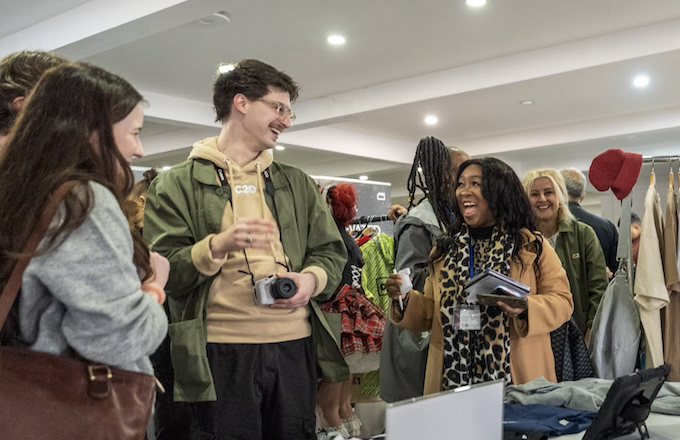
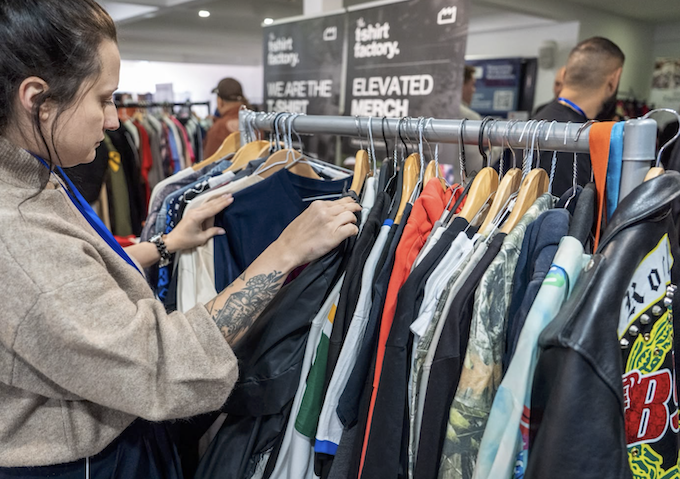
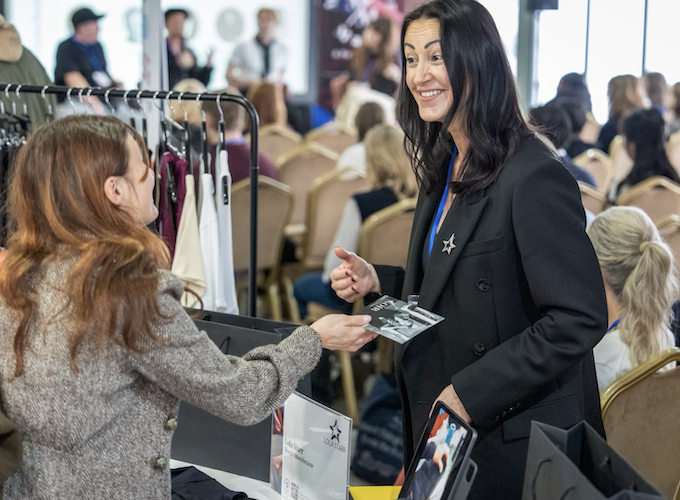
Alongside the conference programme, Manchester Made & Regions provided manufacturers and industry organisations from Manchester and across the UK with opportunities to showcase their capabilities and connect directly with brands, retailers and sourcing teams. The event forms part of a wider initiative from Source Fashion and Fashion-Enter Ltd to improve the visibility of UK manufacturers, strengthen supply chain relationships and build a more unified industry voice around the future of domestic production.
Suzanne Ellingham, Event Director of Source Fashion, said: “There is a real opportunity to strengthen British fashion manufacturing, but we need to move beyond talking about its potential and focus on the practical steps that will make a difference. That means bringing manufacturers, brands, retailers and policymakers together to address the commercial challenges facing the sector and identify where meaningful progress can be made. Manchester Made & Regions is about building momentum, creating stronger connections across the industry and ensuring the conversations we are having lead to tangible action. Industry and government have an important role to play in supporting UK factories and creating the conditions for domestic production to grow.”
The discussions and industry connections established at Manchester Made & Regions will help inform Source Fashion’s next edition, taking place at Excel London from 19th – 21st January 2027, where responsible manufacturing, supply chain innovation and practical solutions for the future of sourcing will remain central to the programme.
Manchester Made & Regions will continue its regional programme, with Scotland identified as the next destination in the first quarter of 2027.
Images by Toby Charlton


