


How Printed Booklets and Brochures Help Fashion Brands Communicate Better
01-05-2026


In a world dominated by fast-scrolling feeds and fleeting attention spans, have you ever noticed how some fashion brands in London still manage to slow you down—making you pause, look closer, and actually feel connected to their story?
That’s not accidental. It’s often the result of something physical, tangible, and intentional—printed communication. Even today, print continues to hold a strong influence. Studies show that 82% of consumers trust print ads more than digital, and print materials often lead to higher recall and engagement compared to online content.
For fashion brands in London, where storytelling, aesthetics, and perception matter deeply, printed booklets and brochures aren’t just marketing tools—they’re brand experiences. Let’s explore how they help brands communicate more effectively.
1. Turn Brand Identity Into a Tangible Experience
Fashion is not just about clothing—it’s about emotion, identity, and perception. While digital platforms can showcase visuals, they often lack the depth of physical interaction.
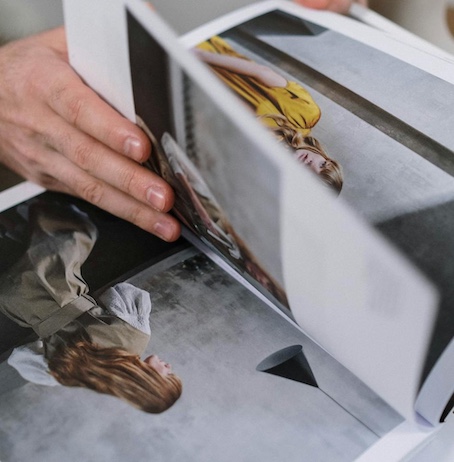
Printed booklets and brochures bring that missing layer. The texture of paper, the weight of the booklet, the quality of print—all of it contributes to how a brand is perceived. It creates a sensory experience that goes beyond visuals.
This tactile engagement plays a major role in how people connect with a brand. Research shows that physical print triggers stronger emotional responses because it engages multiple senses, making the message more memorable.
What this means for fashion brands:
- The brand feels more premium and intentional.
- Customers spend more time engaging with the content.
- The experience becomes more memorable than digital browsing.
In fashion, where perception defines value, this kind of impact matters.

2. Help Tell a Complete Brand Story
Unlike digital platforms, where content is often consumed in fragments, printed materials allow brands to control the narrative from start to finish. A well-designed booklet doesn’t just display products—it tells a story. From collection inspiration to styling ideas, brand philosophy, and seasonal themes, everything can be presented in a structured and immersive way.
This becomes especially important in fast-moving fashion cycles, where launches, pop-ups, and events often require high-quality materials on short notice. In such cases, services like same day booklet printing in London become highly relevant, allowing brands to maintain both speed and presentation without compromising on quality.
Companies like Large Print London support this need by offering professional booklet and brochure printing solutions tailored for time-sensitive campaigns, helping fashion brands stay consistent even under tight deadlines. This balance between storytelling and execution is what makes print such a powerful communication tool.
Why this storytelling matters:
- It creates a stronger emotional connection.
- It presents collections in a cohesive way.
- It allows brands to control how they are perceived.
In an industry driven by narrative, this level of control is a major advantage.
3. Improve Customer Engagement and Retention
Digital content is easy to ignore. A scroll, a swipe, and it’s gone. But printed materials behave differently—they stay.
A brochure placed on a table, a booklet handed out at an event, or a lookbook sent to a client doesn’t disappear instantly. It gets revisited, shared, and engaged with multiple times.
Studies show that printed materials often lead to longer engagement times and higher retention, with many consumers revisiting print content repeatedly. For fashion brands, this repeated exposure can significantly improve brand recall.
How this helps brands:
- Customers engage with content multiple times.
- Brand messaging stays visible for longer.
- It increases the chances of conversion over time.
Unlike digital ads that compete for attention, print holds it.
4. Strengthen Brand Credibility and Trust
Trust is a major factor in fashion—especially for premium or emerging brands. Customers want to feel confident in what they’re buying, and presentation plays a key role in that.
Printed materials often feel more reliable and credible than digital content. The effort, cost, and quality associated with print subconsciously signal legitimacy.
Research even shows that consumers are significantly more likely to trust print over digital advertising when making purchasing decisions. For fashion brands, this translates into stronger brand positioning.
What this builds:
- A perception of quality and professionalism.
- Greater confidence in the brand.
- Stronger emotional trust with customers.
In a competitive market, trust can be the deciding factor.
Conclusion
In an industry where visuals dominate and storytelling defines success, communication is everything. Printed booklets and brochures offer something that digital alone often can’t—depth, tangibility, and lasting impact.
From building trust and enhancing engagement to telling a complete brand story, print continues to play a powerful role in how fashion brands connect with their audience.
As digital spaces become more crowded and attention spans continue to shrink, the brands that stand out aren’t always the loudest—they’re the ones that create meaningful, memorable experiences. And sometimes, the most effective way to do that… is something you can actually hold in your hands.
Images by cottonbro studio and Valeriia Miller via pexels.com


