


GrapeSkin®: A Biomaterial Option for Sustainable Fashion

03-07-2026


As fashion continues to evolve, so do the materials that create it. Designers are no longer looking solely at aesthetics, durability and performance, with the increase in supply chain transparency they’re also asking where materials come from, how they’re produced and what impact they have on the environment.
For fashion students, independent designers and emerging brands, understanding innovative biomaterials is becoming an essential part of designing responsibly. Material choices made at the concept stage can influence everything from a product’s environmental footprint to its commercial appeal, making knowledge of next-generation textiles more valuable than ever.
One company helping to redefine what’s possible is VEGEA, an Italian innovator that has developed GrapeSkin®, a bio-based biomaterial created using the natural by-products of the wine industry.
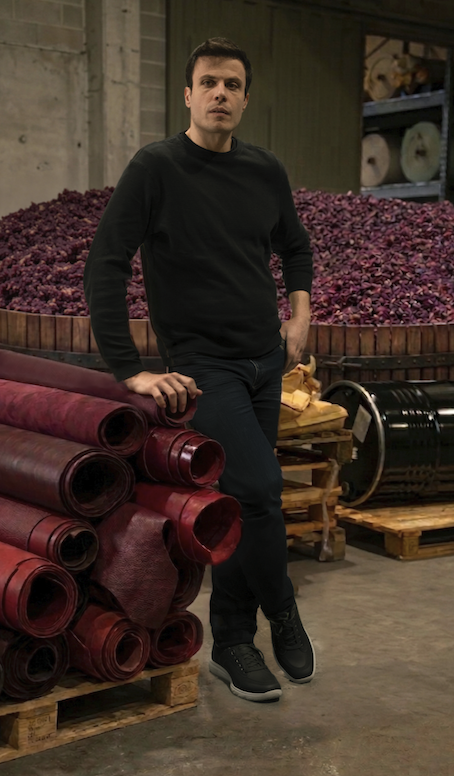
Francesco Merlino, founder of VEGEA
By-Product Innovation
The story of GrapeSkin® began in 2015 when Francesco Merlino, founder of VEGEA, recognised the untapped potential of grape marc – the skins, seeds and stalks left behind after wine production.
Rather than allowing these agricultural by-products to go to waste, VEGEA developed a technology that transforms them into a bio-based compound. Combined with vegetal oils, natural fibres and recycled inputs, the result is GrapeSkin®, a durable biomaterial designed for industrial applications across fashion, accessories, interiors, automotive and packaging.
This approach reflects the principles of a circular economy, where waste from one industry becomes a valuable resource for another. It is an example of how innovation can rethink traditional manufacturing by creating new materials from existing resources.
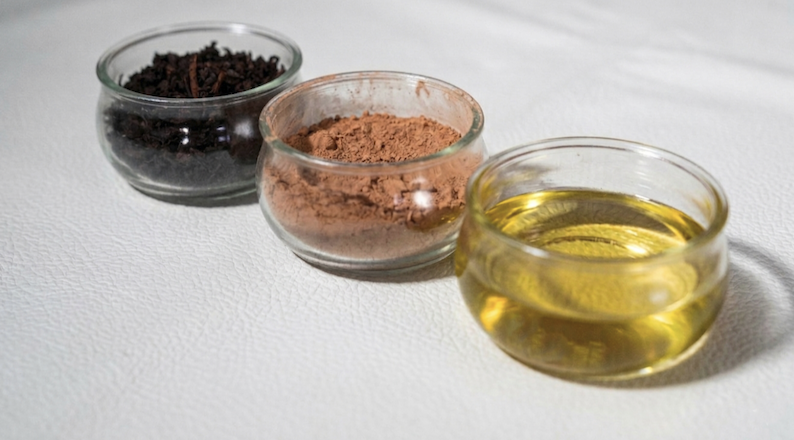
A Biomaterial with Its Own Qualities
GrapeSkin® is sometimes compared to traditional materials, such as leather, because of its premium appearance and tactile qualities, but VEGEA deliberately positions it as a biomaterial with its own identity.
Rather than replicating an existing material, GrapeSkin® has been developed to offer its own combination of aesthetic appeal, technical performance and environmental credentials. This encourages designers to think differently about material selection, not simply replacing one material with another, but embracing new possibilities for design.
For the next generation of creatives, this represents an important shift in thinking. As innovation continues to reshape the fashion industry, designers increasingly have the opportunity to create products that celebrate the unique qualities of emerging biomaterials rather than relying on familiar conventions.
GrapeSkin® in the Fashion Sector

GrapeSkin® has been developed specifically with industrial production in mind, making it suitable for a wide range of fashion applications, including: Handbags, wallets, belts, small accessories, structured garments such as outerwear, tailoring and sculptured silhouettes.
Its consistent thickness, surface finish and colour support both prototyping and larger-scale manufacturing, allowing designers and brands to integrate the material into existing production processes without compromising quality or efficiency.
Beyond fashion, GrapeSkin® is also being used across footwear, automotive interiors, furniture and luxury packaging, demonstrating the versatility of bio-based materials across multiple industries.
Why Biomaterials Matter

For start-up and emerging brands, choosing innovative materials can help define both a collection and a brand’s identity.
As legislation tightens and expectations around sustainability continue to rise, biomaterials like GrapeSkin® offer a practical route for brands to align creativity with responsibility, supporting not only design innovation, but also the industry’s transition towards greater accountability and circularity.
Additionally, consumers are becoming increasingly interested in transparency and sustainability, expecting brands to demonstrate where materials come from and how products are made. Biomaterials offer designers an opportunity to tell authentic stories about innovation, responsible sourcing and circular design.
Already In Use
Although biomaterials are often associated with emerging technologies, GrapeSkin® has already been adopted by internationally recognised brands across multiple sectors. Companies including H&M, Calvin Klein, Stella McCartney, Geox, Bentley, Moleskine and Rémy Martin have incorporated GrapeSkin® into products ranging from fashion accessories to luxury packaging and automotive interiors.
Its growing adoption demonstrates that innovative biomaterials are no longer confined to experimental collections, they are becoming part of mainstream product development.
Understanding how innovative biomaterials are created, how they perform and how they fit within modern supply chains equips future designers with the knowledge to make more informed creative decisions.
For emerging brands, these materials also present an opportunity to differentiate themselves in an increasingly competitive marketplace by embracing innovation from the very beginning of the design process.
A Sustainable Future
The future of fashion will be shaped not only by creative ideas, but by the materials that bring those ideas to life.
GrapeSkin® demonstrates how science, technology and design can work together to transform agricultural by-products into high-performance biomaterials suitable for contemporary fashion and accessories. Rather than viewing sustainability as a limitation, it highlights how innovation can create entirely new possibilities.
For fashion students, independent designers and growing brands materials are no longer just a design choice, they are part of a wider compliance, responsibility and storytelling framework that will define how fashion operates as the years unfold.
To find out more about VEGEA GrapeSkin® visit: https://vegeacompany.com/
Images courtesy of VEGEA GrapeSkin®


