


From Ancient Egypt to Fashion Design: How the Age of the Pharaohs Continues to Inspire
03-06-2026


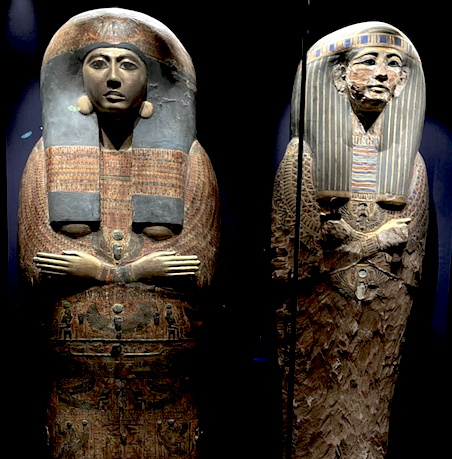
As visitors step into Ramses and the Pharaoh’s Gold at Battersea Power Station, they are transported into one of history’s most visually captivating civilisations. Featuring 180 treasures from Egypt’s golden age, the exhibition brings together magnificent jewellery, royal masks, colossal sculptures, animal mummies and exquisitely crafted objects that reveal the extraordinary artistry of the ancient world.
Yet Ancient Egypt’s influence extends far beyond museums and archaeological discoveries. More than 3,000 years after the reign of Ramses II, its visual language continues to shape contemporary fashion, jewellery and accessory design. From pleated gowns and sculptural silhouettes to statement gold jewellery and symbolic motifs, the aesthetics of Ancient Egypt remain remarkably relevant, inspiring designers to reinterpret the grandeur of the pharaohs for a modern audience.
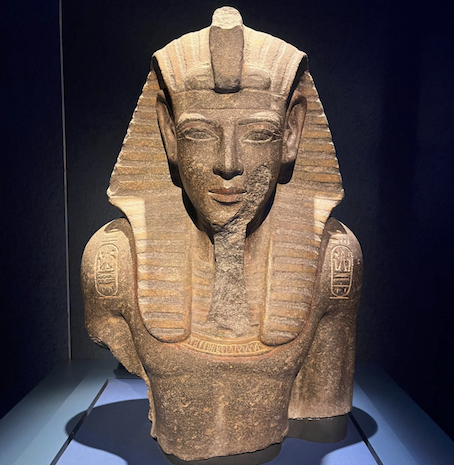
Why Ancient Egyptian Design Feels So Modern
What makes Ancient Egyptian style so enduring is its unique balance of simplicity and opulence. Clean architectural lines sit alongside lavish ornamentation, while symbolic storytelling is expressed through colour, pattern and craftsmanship.
Unlike many historical dress traditions, Ancient Egyptian fashion embraced streamlined silhouettes that feel surprisingly contemporary. Garments were elegant rather than excessive, relying on proportion, drape and luxurious materials to create impact.
Today, designers continue to borrow from these principles, creating collections that echo the confidence, symmetry and refinement seen in Egyptian art and dress.
The Kalasiris: The Original Column Dress
Among the most recognisable garments of Ancient Egypt was the Kalasiris, a close-fitting sheath dress typically crafted from fine linen. Often ankle-length and delicately pleated, it skimmed the body while creating movement and texture through its construction.
Its influence can be seen in countless contemporary evening gowns and resortwear collections. The elongated silhouette remains one of fashion’s most flattering forms, reappearing season after season in fluid column dresses, draped gowns and minimalist occasionwear.
Designers frequently reinterpret this ancient silhouette through:
- Fine knife pleating and sunray pleats
- Sheer layering and transparency
- Soft draping across the body
- One-shoulder constructions
- Floor-length proportions that create a statuesque appearance
The result is a silhouette that feels effortlessly modern despite its ancient origins. British designer Dame Zandra Rhodes has frequently explored these fluid forms in her work. Her Egyptian-inspired Secrets of the Nile collection transformed the elegance of ancient dress into vibrant contemporary fashion, combining flowing silhouettes with richly coloured prints inspired by Egyptian mythology, architecture and symbolism.
Gold: The Colour of the Gods
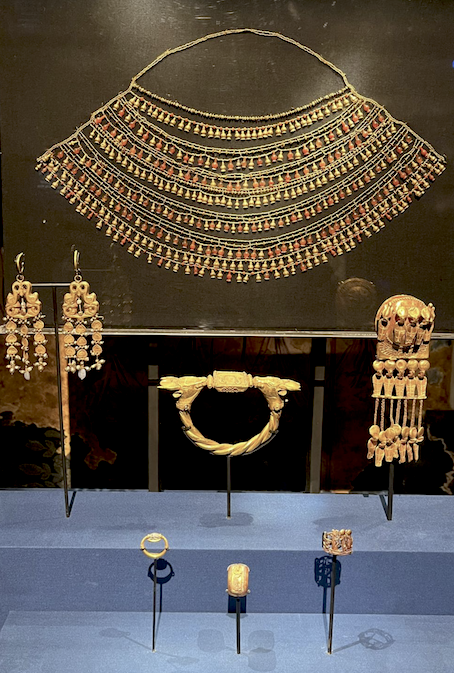
No material is more closely associated with Ancient Egypt than gold. Considered the flesh of the gods and a symbol of eternity, it was used extensively in jewellery, ceremonial objects and royal adornment.
Walking through the Ramses exhibition, visitors encounter dazzling examples of Egyptian goldsmithing, from intricate jewellery to ornate funerary treasures. The craftsmanship remains astonishing and continues to influence contemporary designers seeking to evoke luxury, power and permanence.
Modern interpretations include:
- Gilded embellishment
- Metallic textiles
- Gold embroidery
- Sculptural jewellery
- Statement accessories
The appeal of gold remains universal. Whether used subtly through hardware and trims or boldly through all-over metallic finishes, it continues to communicate glamour and authority.
This fascination was particularly evident in John Galliano’s celebrated Spring 2004 Haute Couture collection for Dior. Inspired by Nefertiti, Tutankhamun and Egyptian royalty, the collection featured molten gold surfaces, elaborate beadwork and dramatic embellishment that captured the splendour of the ancient world.
Jewellery Inspired by Royal Treasures
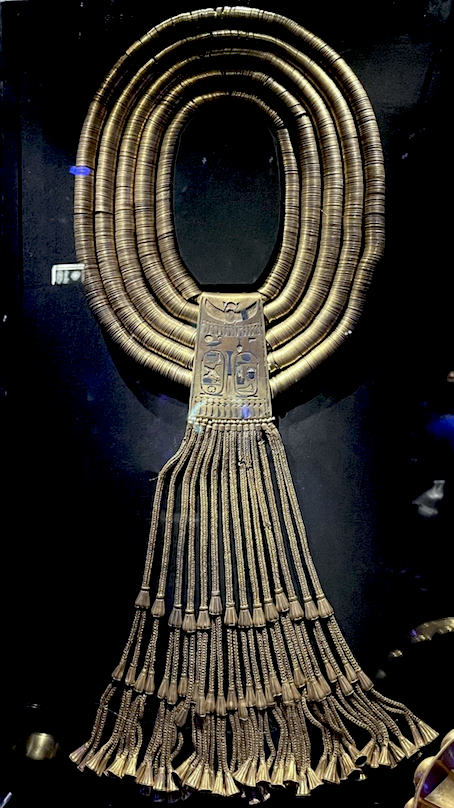
Ancient Egyptian jewellery was far more than decoration. Every gemstone, motif and material carried symbolic meaning. Jewellery served as protection, status and spiritual expression, often combining remarkable craftsmanship with powerful symbolism.
Many of the silhouettes created by Egyptian jewellers thousands of years ago remain influential today.
The Broad Collar
One of Ancient Egypt’s most iconic jewellery forms was the usekh collar, a wide necklace composed of multiple rows of beads, gemstones and precious metals.
Its influence can be seen in contemporary statement necklaces, embellished necklines and jewellery designed to frame the shoulders and décolletage.
Arm Cuffs and Body Adornment
Heavy cuffs worn on the wrists and upper arms continue to inspire modern jewellery designers. These bold forms feel architectural and powerful, transforming jewellery into wearable sculpture.
Precious Stones and Colour
Ancient Egyptian artisans favoured materials including:
- Lapis lazuli
- Turquoise
- Carnelian
- Amethyst
- Gold
- Silver
Together these materials created a rich palette of deep blues, vibrant turquoise, warm reds and luminous metallics that continues to influence jewellery design today.
The combination of lapis blue and gold remains one of fashion’s most enduring colour pairings, evoking both luxury and mystery.
A Colour Palette From the Nile
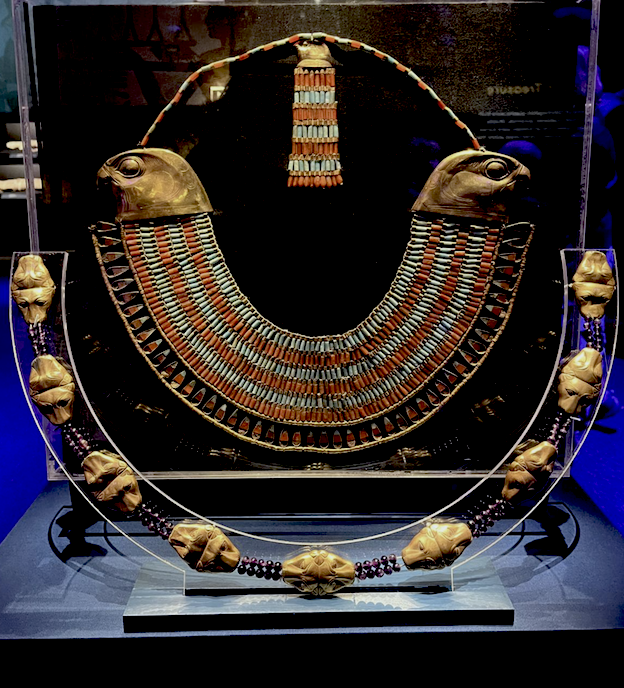
The colours of Ancient Egypt carried meaning and were often inspired by the natural world.
Lapis Blue
Associated with the heavens and divinity, lapis blue remains one of the most striking colours in fashion. Designers continue to pair it with gold for maximum visual impact.
Turquoise
A symbol of protection and prosperity, turquoise introduces brightness and energy. It appears regularly in jewellery collections and resortwear inspired by desert landscapes.
Carnelian and Terracotta
Warm amber, rust and burnt orange tones reflect the stones used in ancient jewellery and provide a contemporary connection to desert environments.
Black and Gold
Inspired by hieroglyphics, ceremonial objects and ancient artworks, black and gold continue to create a sophisticated and dramatic contrast.
These colours appear repeatedly in the work of Zandra Rhodes, whose Egyptian-inspired designs embraced vibrant turquoise, ultramarine and gilded accents to create a contemporary interpretation of ancient splendour.
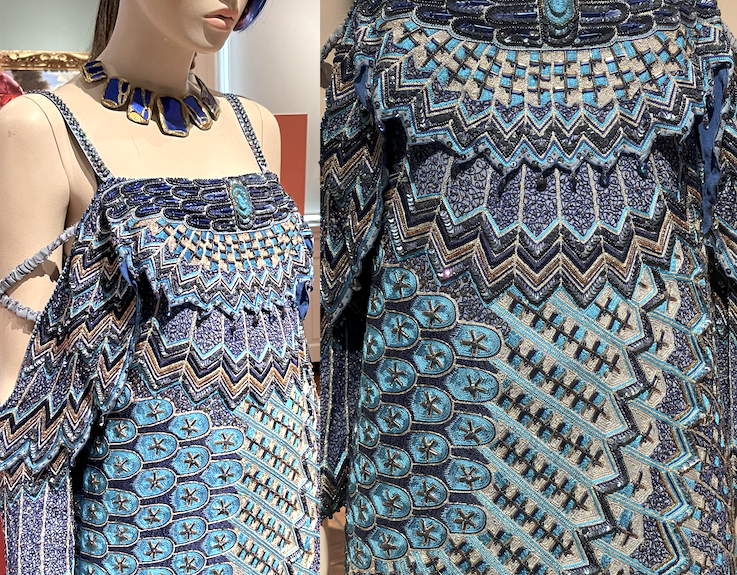
(A design from Zandra Rhodes – Secrets of the Nile collection – images by JoJo Iles)
Symbols That Continue to Inspire
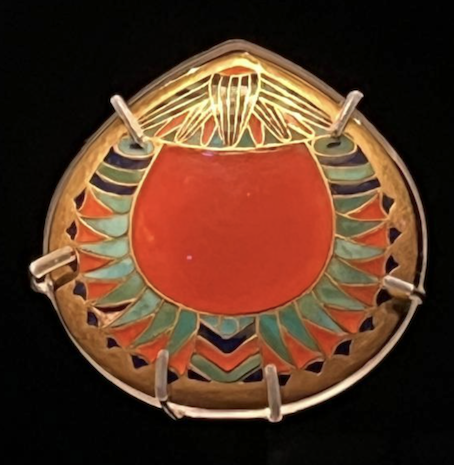
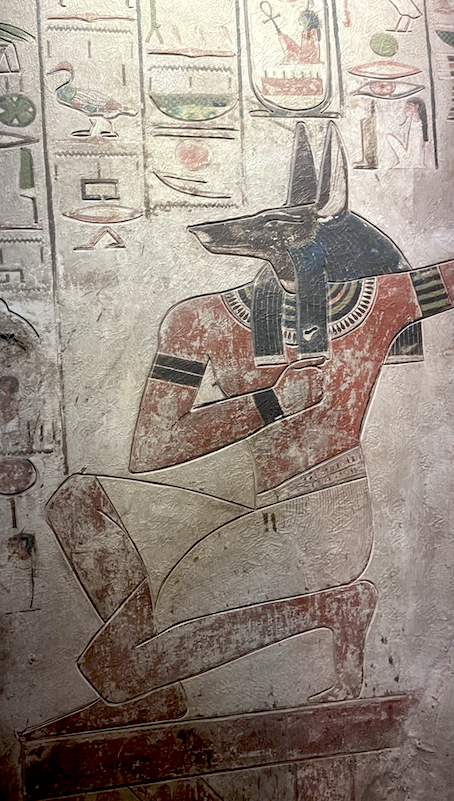
Ancient Egypt developed one of history’s richest visual languages. Every motif carried significance, making its decorative arts both beautiful and meaningful.
Many of these symbols continue to appear in contemporary fashion and accessories.
The Scarab Beetle
Representing rebirth and transformation, the scarab has become a popular motif in jewellery, embroidery and embellishment.
Karl Lagerfeld incorporated scarab details throughout Chanel’s Métiers d’Art 2018/19 collection, demonstrating how ancient symbolism can be translated into modern luxury.
The Eye of Horus
Associated with protection and healing, the Eye of Horus remains one of the most recognisable Egyptian symbols and frequently appears in jewellery and graphic prints.
The Ankh
The symbol of eternal life continues to inspire pendant designs, charms and decorative accessories.
Serpents and Cobras
Cobras were associated with royal authority and divine protection. Their sinuous forms continue to inspire jewellery settings, handbag hardware and decorative embellishment.
Architecture as Fashion
The monuments of Ancient Egypt remain among humanity’s greatest design achievements. Their influence extends beyond architecture and into garment construction itself.
Designers regularly draw inspiration from:
- Pyramid geometry
- Temple columns
- Monumental scale
- Hieroglyphic repetition
- Perfect symmetry
The result is fashion that feels strong, structured and powerful. Jean Paul Gaultier has frequently explored these architectural qualities through armour-like bodices, sculptural collars and metallic embellishment that evoke the grandeur of Egyptian royalty.
Similarly, Elie Saab’s embellished gowns often reflect the elegance and symmetry associated with ancient ceremonial dress, combining fluid movement with intricate craftsmanship.
A Legacy of Timeless Design
The treasures showcased in Ramses and the Pharaoh’s Gold reveal a civilisation that understood the power of design. Through colour, craftsmanship, symbolism and proportion, Ancient Egypt created an aesthetic language that continues to resonate across fashion, jewellery and accessories today.
From pleated gowns inspired by ancient linen garments to statement gold jewellery, scarab motifs and architectural silhouettes, contemporary designers continue to find inspiration in the world of the pharaohs.
Thousands of years after these treasures were first created, Ancient Egypt remains not only a source of historical fascination but also one of the most enduring influences on modern design – a testament to the timeless appeal of beauty, craftsmanship and creative expression.
Ramses and the Pharaoh’s Gold exhibition images by Jenny Holloway


