


Exploring the Heritage of Iconic Designer Shoulder Bags

21-04-2026


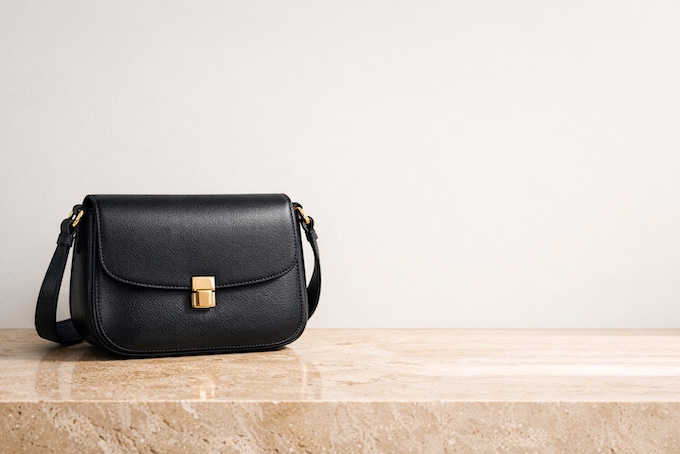
Designer shoulder bags hold a unique position within luxury accessories, offering both practical use and visual appeal. Their ongoing popularity stems from a combination of functionality, aesthetic design, and rich history, making them a staple in daily wear and significant fashion moments. By considering the heritage and development of these bags, it becomes clear why they continue to serve as influential standards in accessory design.
Designer shoulder bags play a central role in luxury accessories, meeting demands for versatility, daily use, and clear stylistic expression. A black designer shoulder bag, for instance, highlights how design traditions are translated into contemporary, adaptable essentials. Many readers interested in luxury goods want to understand what makes an accessory distinctive through different eras, from notable design features to tactile finishes. Learning about the origins and development of these bags provides insight into their ongoing relevance in new collections and their impact on individual style.
The defining qualities of enduring shoulder bag icons
For a shoulder bag to achieve iconic status, several elements must be present, such as recognisable shape, expert construction, and lasting appeal. A practical and striking silhouette helps a bag stand out, even as trends evolve. This distinctiveness enables a design to build loyalty and maintain a familiar visual style across changing fashion periods.
Repeated design cues, including signature clasps or specific stitching, contribute to a bag’s identity and lasting significance. These aspects allow a design to be revisited without losing relevance, linking new interpretations to established tradition and skill.
Signature elements that define luxury shoulder bags
Luxury designer shoulder bags are often characterised by certain details that reinforce their lasting value. Strap length and drop influence comfort and the way a bag works with different outfits. Appropriate proportions make it possible for a bag to move effortlessly from work to evening occasions, reinforcing adaptability and a unified look.
Distinctive hardware, such as engraved fastenings or custom chains, can identify a particular design. These elements provide both functional benefits and a sense of refinement to established styles. Well-constructed flaps, effective closures, and carefully designed gussets all add to practicality and reinforce a bag’s durability.
Material selection and traditional craftsmanship standards
Heritage is evident in the choice of materials and methods used in making shoulder bags. Full-grain leather, expertly tanned and finished, is valued for its appearance and resilience. Traditional hand-stitching and precise edge work are linked to robust construction.
The choice of leather affects both look and feel. Modern releases may keep a focus on strength while introducing new textures or linings, offering a balance of classic appeal with updated touches. Craftsmanship is shown in details such as strengthened seam points and finely finished linings, underlining commitment to high-quality construction.
Adaptation and cultural relevance in heritage designs
While rooted in established techniques, renowned shoulder bags often adapt to new lifestyles. Layout updates, lighter materials, and compartments for modern essentials, such as mobile phones, meet current needs while remaining true to original design principles. Adjustments to shape and fastening systems can also reflect changing habits in usage.
Cultural significance can secure a bag’s place in fashion history. Appearances in editorials, on catwalks, and in public settings help keep designs visible over time. This exposure can encourage designers to return to previous models, supporting a balance between past inspiration and present-day appeal.
Colour choices and long-term integration into wardrobes
Neutral tones frequently support a shoulder bag’s continued use. Black, taupe, and deep brown shades are easily worn across many outfits, helping maintain a bag’s relevance through shifting trends. These colours underpin the enduring presence of heritage-focused designs.
The preference for understated shades is sometimes renewed through updated textures or finishes, allowing designs to feel fresh while preserving their character. This practice addresses everyday needs and helps maintain continuity within luxury accessory lines.
Heritage as a guide for future designer collections
Contemporary designers often look to archive details when developing new shoulder bag lines. Upholding established design characteristics while applying modern materials and functions creates a balance between past and present. Modern versions may feature improved organisation and everyday usability while keeping visible links to their origins.
This ongoing reference to heritage allows shoulder bags to function as practical accessories and as symbols of consistent style. When heritage is integrated with care, these bags continue to bridge tradition and current fashion, ensuring their place in luxury collections.
Top intro image by JoJo Iles


