


Burberry’s British Heritage Strategy Ignites Fashion Turnaround
14-05-2026


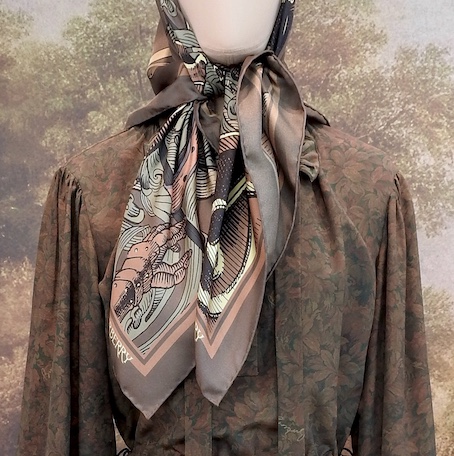
After a challenging period marked by slowing luxury demand and questions around brand positioning, Burberry appears to be finding its footing again and at the heart of its recovery is a renewed commitment to British heritage.
The British luxury fashion house has reported encouraging momentum through FY26, with fourth-quarter retail comparable sales rising by 5%, driven by particularly strong growth in the Americas and Greater China, where sales increased by 10%.
The turnaround signals more than just improved trading. It reflects a strategic repositioning of the brand around what Burberry arguably does best: British identity, craftsmanship, outerwear, and timeless design codes that resonate globally.
Reclaiming British Identity
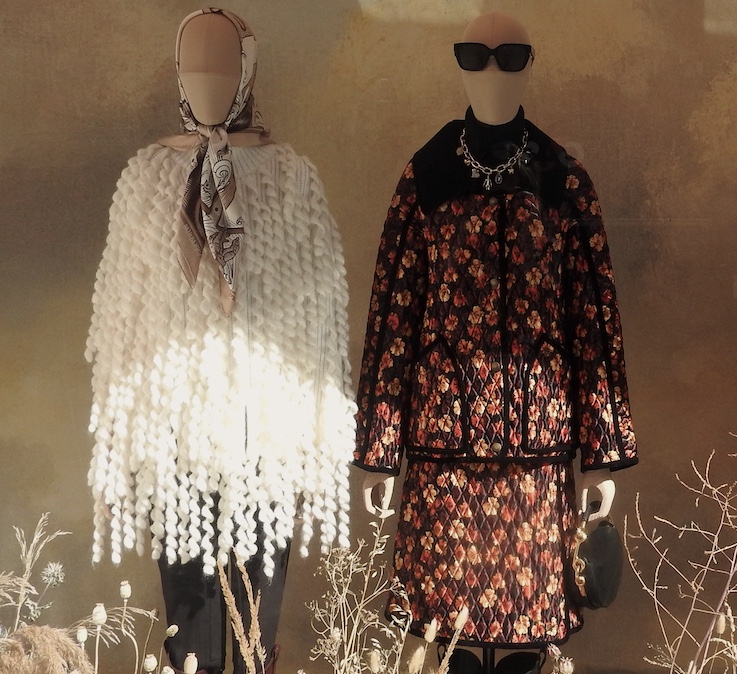
Under Chief Creative Officer Daniel Lee, Burberry has consciously returned to its core strengths, placing renewed emphasis on luxury outerwear, elevated British styling, and the revival of its iconic check.
The strategy appears to be reconnecting with consumers seeking authenticity over overt logo-driven luxury, particularly in markets such as China, where customer tastes have shifted toward understated sophistication.
One standout success has been the launch of the premium “Cotswolds” handbag, priced at approximately £2,000. Named after one of Britain’s most picturesque regions, the bag has reportedly performed strongly with American consumers, reinforcing the global commercial power of British storytelling and heritage branding.
Burberry’s latest High Summer 2026 campaign continues that narrative. Inspired by British lido culture, the campaign blends nostalgia with contemporary fashion and features stars including Simone Ashley and Tom Blyth. The creative direction further positions Burberry as a cultural ambassador for modern British style on the international stage.
“Burberry Forward” Begins to Gain Momentum
Much of the renewed optimism around the business has been attributed to CEO Joshua Schulman and his “Burberry Forward” strategy, which aims to restore desirability while stabilising financial performance.
Commenting on the company’s full-year results, Robyn Duffy, Consumer Markets Senior Analyst at RSM UK said:
“Burberry’s turnaround comes at a time when British culture appears to have regained global relevance across music, fashion and entertainment. Burberry’s renewed focus on its British identity, heritage and iconic core products leaves it well positioned to benefit from this growing interest in modern British style and culture.”
Duffy added:
“CEO Joshua Schulman’s ‘Burberry Forward’ strategy is gaining traction, which is no small feat given the scale of the challenges the brand faced last year. FY25’s weak performance reflected not only softer global luxury demand, but also more fundamental questions around Burberry’s positioning and relevance as a brand.”
Duffy also noted that while overall luxury market conditions remain difficult globally, Burberry’s quarter-by-quarter improvements suggest “the early stages of a recovery may now be emerging.”
China Recovery Offers Encouragement
A particularly positive sign for the business has been improving traction in Greater China during Q4.
As Chinese luxury consumers increasingly favour quieter luxury aesthetics over heavily branded products, Burberry’s pivot toward craftsmanship, tailoring, and heritage styling appears well aligned with changing market preferences.
Duffy commented: “The traction Burberry is regaining in Greater China, particularly in Q4 is encouraging. With China’s luxury recovery remaining uneven and complex, and consumer preferences shifting to a less logo-led style, Burberry has proved sensitive to this aesthetic and shifted accordingly.”
Challenges Still Remain
Despite the positive trajectory, risks remain. Rising geopolitical tensions and ongoing instability in the Middle East could impact both input costs and international tourism flows, factors that remain critical to luxury retail performance, particularly in Europe.
As Duffy warned:
“The major risk to watch in the year ahead is the fallout from the conflict in the Middle East. Not only will input costs come under pressure impacting gains made on margins this year, but a slowdown in global tourism, particularly in European markets could negatively impact the momentum Burberry has carefully cultivated.”
Still, Burberry’s renewed embrace of British heritage appears to be reconnecting the brand with consumers worldwide. In an era where authenticity, storytelling, and cultural identity increasingly drive luxury purchasing decisions, the fashion house’s return to its roots may prove to be its most important USP.
Images: Burberry London AW25/26 by JoJo Iles


