


Inspiration: AW27/28 Renaissance Romance — The Beauty of Time
06-10-2026


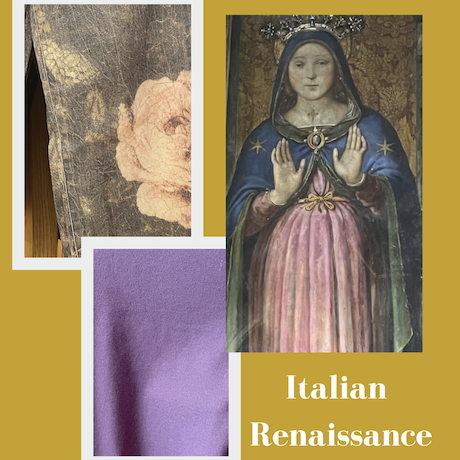
For Autumn/Winter 2027/28, fashion, as it often does, looks backwards to move forwards. Across art, architecture, cinema and culture, there is a growing fascination with European history, classical references and the emotional power of the past. For fashion, this creates a new romanticism rooted in Renaissance art, Italian architecture, crossing over into Gothic storytelling and the beauty of human craftsmanship.
The direction is not about recreating historical dress. Instead, it takes the emotional language of the Renaissance and translates it into contemporary silhouettes, fabrics, colour and surface. At its heart is one powerful idea: When technology becomes increasingly perfect, the human hand becomes the new luxury.
Renaissance Romance
The Romance direction highlighted by Première Vision reflects a wider cultural fascination with desire, memory, shadow and the marks left by time. Contemporary artists are revisiting European art history, while cinema and literature are returning to Gothic and Romantic narratives, from Wuthering Heights to new interpretations of Dracula.
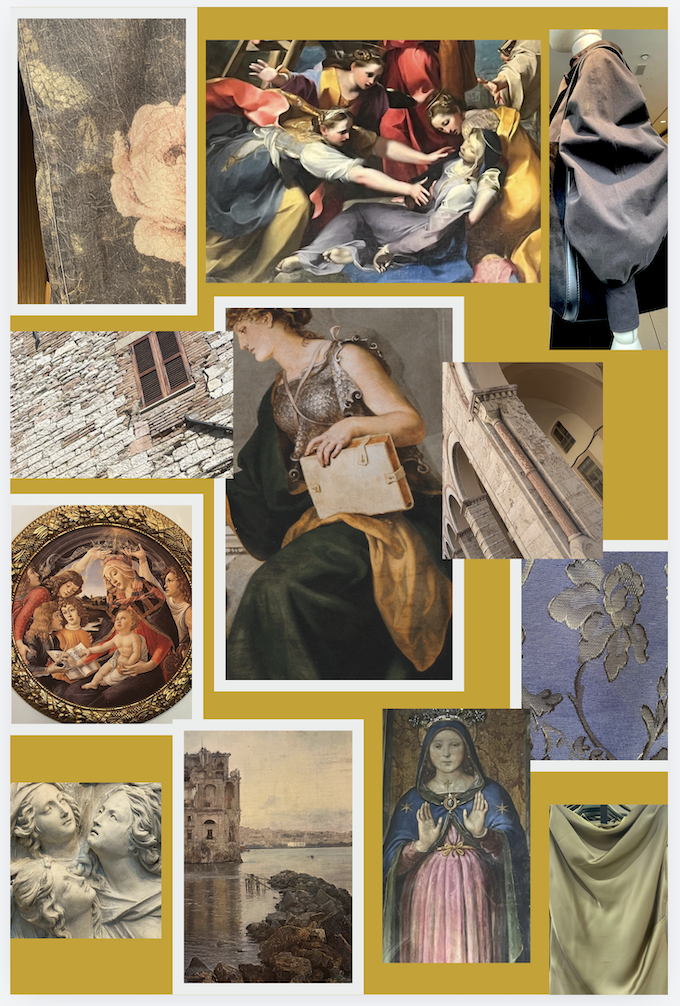
Ruins, cathedrals, capes, darkness, tragic romance and faded grandeur become powerful emotional references for AW27/28. The atmosphere of an ancient Italian cathedral at dusk: weathered stone, fading frescoes, marble, deep shadows, velvet, aged gold and a sense of history embedded into every surface. This becomes the foundation for a fashion story that is sumptuous, atmospheric and deeply human.
Architecture Becomes Fashion
Italy provides a rich source of inspiration, particularly Tuscany, Umbria, Venice and Rome. Palazzos, churches, cloisters, arches, marble floors, sculpture, frescoes and terracotta landscapes offer a vocabulary for contemporary design.
Architecture can influence fashion through proportion and construction: Arches become curved seams. Columns inspire elongated silhouettes. Frescoes become colour stories. Marble becomes surface texture. Ornament becomes embroidery and jacquard. Weathered stone inspires washed and distressed finishes.
The references are subtle. Fashion is not becoming costume; instead, Renaissance details are being absorbed into modern design.
The Renaissance Masters
The work of the great Italian Renaissance artists provides an extraordinary design library. Leonardo da Vinci inspires an interest in anatomy, movement and the relationship between fabric and the body. Michelangelo brings sculpture and monumental form, encouraging sculpted shoulders, dramatic sleeves and powerful outerwear. Raphael offers harmony, proportion and elegance, translating into refined tailoring and balanced silhouettes. Botticelli introduces mythology, femininity and fluid movement, while Titian provides a rich colour vocabulary of burgundy, ochre, red and gold.
Purple The New Black
Colour is central to the story. From pale mauve through dusky violet to deep purple code, purple becomes one of the defining colours of the season. Its historical associations with royalty, spirituality and ceremony make it a natural fit with Renaissance Romance, yet its depth gives it contemporary relevance. Dusky Violet brings a smoky, sophisticated quality, particularly across menswear, while Purple Code offers enough density to become a credible alternative to black.
The wider palette draws from Renaissance paintings and the Tuscan landscape: Terracotta, burnt umber, parchment, stone, olive, moss, burgundy, ox blood, plum, aubergine, antique gold and weathered black. The colours should feel faded, mineral and atmospheric rather than digitally perfect.
Fabrics The Luxury of Touch
Fabric is where this trend truly comes alive. Velvet provides depth and sensuality, particularly in coats, tailoring and eveningwear. Washed silks bring fluidity and an imperfect, lived-in quality. Performance satins introduce a modern interpretation of historical luxury, combining the appearance of silk with contemporary functionality. Technical taffetas create crisp volume for sculptural sleeves, coats and skirts.
Meanwhile, brocades, damasks and jacquards reconnect fashion with Renaissance interiors and traditional craftsmanship, but with enlarged motifs, abstract patterns and contemporary colour combinations. The emphasis is on fabrics that reveal their character through movement, light and touch.
The Human Hand
Perhaps the most important element of this trend is craftsmanship. As artificial intelligence, digital design and automated processes become increasingly embedded within the fashion industry, the evidence of human making becomes more valuable. A hand stitch. An irregular embroidery. A faded dye. A distressed surface. A hand-painted mark. A slightly imperfect edge. These details tell a story: A human made this. For AW27/28, imperfection becomes desirable. Patina, ageing, abrasion, washed surfaces and softened fabrics create garments that appear to have already lived a life and suggest that they will become more beautiful with age.
Silhouettes Draped and Monumental
The silhouette is romantic but contemporary. Think long sweeping coats, oversized capes, hooded cloaks, sculptural shoulders, voluminous sleeves, draped dresses, bias-cut shapes, longline tailoring and cocoon proportions. The body becomes almost architectural.
The key is to balance drama with modernity: a velvet cape over tailoring, a washed silk dress with a technical outer layer, or a Renaissance-inspired sleeve incorporated into a clean contemporary silhouette.
The New Renaissance
Ultimately, Renaissance Romance is not simply about looking into the past. It is about questioning what fashion values in the future. AI versus the artist. Automation versus craftsmanship. Perfection versus imperfection. Speed versus patience. Digital creation versus the human hand.
The Renaissance was itself an era of transformation, creativity, scientific discovery and new ways of understanding the human experience. That makes it surprisingly relevant to fashion today. For AW27/28, the most desirable pieces may be those that carry evidence of their making, garments that feel touched, draped, manipulated, embroidered and crafted by people.
The future may be increasingly digital. But the desire for something human is becoming increasingly powerful. Perhaps that is why the Renaissance continues to inspire five centuries later.


