


New Government Procurement Policy Could Create Opportunities for UK Fashion and Textile Manufacturers
18-11-2026


Fashion-Enter Ltd, Apparel & Textile Manufacturers Federation and industry partners have been calling for greater recognition of UK manufacturing, skills development and domestic supply chains in public procurement. The Government’s new Procurement Policy Note 026 (PPN 026) could provide an important opportunity to advance this agenda.
From 1st January 2027, a new approach to social value in central government procurement will place greater emphasis on creating good British jobs, developing skills and opening up employment opportunities across the country.
Published by the Cabinet Office in August 2026, with detailed implementation guidance released in October, PPN 026 introduces a revised Social Value Model, replacing previous central government social value models.
The policy aims to ensure that public spending delivers benefits beyond the goods and services being purchased, with suppliers expected to demonstrate how their contracts will contribute to employment, training and economic opportunities.
What does this mean for public procurement?
Under the new framework, social value will focus on two principal outcomes:
- Good Jobs: Creating high-quality employment, supporting fair pay, improving working conditions and retaining skilled workers.
- Skills: Delivering training, retraining, apprenticeships, workplace progression and opportunities for people facing barriers to employment.
For qualifying central government contracts, social value will carry a minimum weighting of 10% for contracts valued between £1 million and £5 million, increasing to 20% for contracts worth £5 million or more.
For contracts of £5 million and above, suppliers will also be subject to ongoing performance monitoring, with social value commitments incorporated into contract management and performance reporting.
This represents an important shift. Businesses bidding for substantial government contracts will need to demonstrate not simply what they can supply, but how they will contribute to jobs, skills and opportunities through their delivery.

An opportunity for UK garment and textile manufacturing
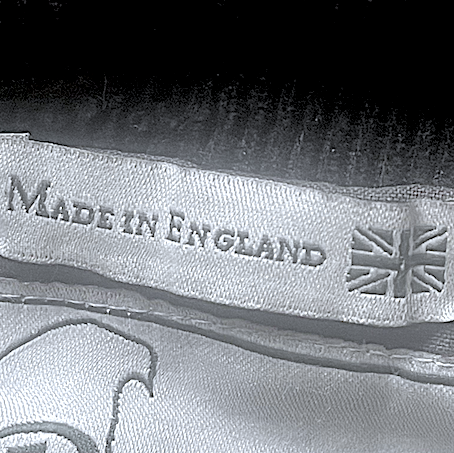
For the UK fashion and textile manufacturing sector, this presents an opportunity to strengthen the case for domestic production and investment in technical skills.
Public procurement covers a wide range of goods and services, including uniforms, workwear, protective clothing and other textile products. These contracts can provide opportunities to support UK-based manufacturing, develop specialist production skills and create sustainable employment.
Fashion-Enter Ltd and ATMF have long championed the importance of maintaining and developing the UK’s garment manufacturing capabilities, supporting domestic suppliers and ensuring that the skills needed to produce quality garments remain within the UK.
A stronger connection between public procurement and workforce development could help encourage investment in areas such as industrial sewing, garment construction, pattern cutting, material preparation and textile product technology.
It also presents an opportunity for UK manufacturers to demonstrate the wider economic and social contribution they make through employment, apprenticeships and specialist training.
Connecting major contractors with training providers
An important aspect of PPN 026 is the potential for greater collaboration between major government contractors, specialist training providers and local employers.
Large organisations bidding for public sector contracts may need to develop credible plans to deliver additional training, apprenticeships and employment opportunities as part of their social value commitments.
This creates scope for partnerships with established training organisations such as Fashion-Enter Ltd and the Fashion Technology Academy (FTA), which provide specialist vocational training and apprenticeships for the fashion and textile industry.
Through practical training, accredited courses and employer-led apprenticeships, the FTA can help develop the technical skills required by manufacturers while providing opportunities for people entering the industry, including those facing barriers to employment.
Such partnerships could help contractors deliver measurable skills outcomes while supporting the development of a stronger UK manufacturing workforce.
The Government’s proposed Community Programmes framework may also provide a route for suppliers to work with established local organisations and training initiatives, subject to the programme requirements and procurement criteria.
Making public money work harder for UK industry
For Fashion-Enter Ltd, ATMF and the wider UK manufacturing sector, the introduction of PPN 026 is an opportunity to continue the conversation about how public procurement can support domestic industry, skills and employment.
While the policy does not automatically prioritise UK suppliers over overseas competitors, it does provide a stronger framework for recognising good employment practices, skills development and measurable social value. Procurement decisions must still comply with applicable international trade obligations.
The challenge now is to ensure that UK manufacturers, training providers and industry organisations are actively involved in procurement discussions, market engagement and the development of future supply chain partnerships.
Public contracts should be seen as more than purchasing opportunities. They can also help sustain manufacturing expertise, create skilled employment, support apprenticeships and invest in the next generation of UK workers.


