


Can £210m Breathe New Life Into Britain’s High Streets?
28-09-2026


The Government’s £210m high street package could help bring empty properties back into use – but the real opportunity may lie in changing what a high street is for.
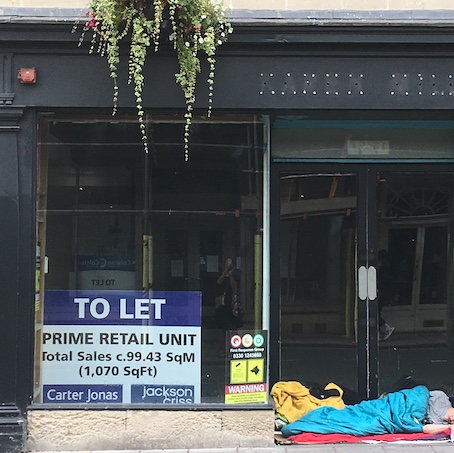
Britain’s high streets are at a crossroads. Empty shops, declining footfall and rising operating costs have become familiar features of many town centres, while consumers have increasingly embraced online shopping and out-of-town retail parks, where convenience, easy parking and a concentration of retailers can make the traditional high street harder to compete with.
Against that backdrop, the Government has announced a £210m package designed to bring derelict and vacant properties back into use and give communities more influence over what happens in their town centres.
The package, announced on 25th September 2026, includes £125m through a new Derelict Buildings Fund to transform empty and dilapidated buildings into uses such as community hubs, health centres, shared workspaces and cafés. A further £65m will help communities rescue buildings and businesses at risk of closure, while £20m will support High Street Rental Auctions and a new Co-operative Development Programme.
The Government’s ambition is clear: an empty shop should not necessarily remain an empty shop simply because the retail model that once occupied it is no longer viable. But there is a bigger question. What should replace it?
The high street cannot simply become what it once was. The temptation when discussing high street regeneration is to focus on getting more shops open. More occupied units are certainly preferable to rows of boarded-up windows, but simply replacing one conventional retailer with another may not address the underlying problem.
A new consumer, online shopping offers convenience, an almost limitless choice and the ability to compare prices from the sofa. Out-of-town retail parks offer free or relatively easy parking and increasingly combine shopping with food, leisure and entertainment.
The high street therefore needs to offer something that online and out-of-town checkouts cannot. That could mean shopping, but it could also mean meeting friends, attending a workshop, having a coffee, getting something repaired, working for an hour, discovering a local business, accessing a service or simply spending time somewhere that feels worthwhile.
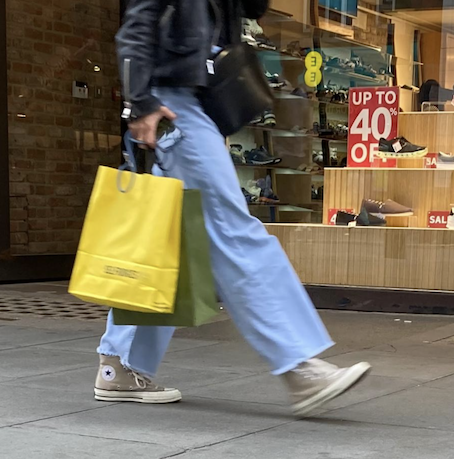
Recent ONS data illustrates the scale of the challenge. UK retail footfall in March 2026 was 8% lower than in March 2025, with footfall down year-on-year across local centres, retail parks and city centres. The ONS attributed the overall decline partly to weaker consumer confidence and the continuing shift towards online shopping.
That suggests the answer cannot simply be more shops. One of the most interesting developments in contemporary retail is the move towards multi-use spaces. A successful high street business increasingly does not have to fit neatly into one category. Consider a pre-loved fashion store. Its core proposition might be second-hand clothing, but the premises could also host clothing repair sessions, upcycling workshops, styling events, clothing swaps, talks on sustainable fashion or sewing classes.
Suddenly, the shop is no longer somewhere customers visit only when they want to buy something. It becomes a place where people have a reason to return and that distinction could be crucial.
Fashion is particularly well placed to take advantage of this model because the move towards resale, repair and circularity naturally lends itself to physical experiences. A customer might bring in a garment for repair, browse pre-loved pieces while they wait, attend an upcycling workshop and then have a coffee nearby. It creates several potential reasons to visit a high street.
There are already examples of fashion retailers experimenting with this kind of proposition. British fashion brand Lucy & Yak, for example, has expanded its pre-loved offer in physical stores, including repaired and reworked garments from its Re:Yak Studio. Its Manchester store, opened in 2026, includes a dedicated pre-loved floor, illustrating how resale and repair can become part of the physical retail experience rather than simply an online sustainability initiative.
The same principle applies beyond fashion, bookshops that incorporate cafés have become a familiar example of how a retail space can become a destination. Customers can browse books, meet friends, work, attend a book launch or simply spend time in the space. The commercial logic is straightforward: if the customer has more reasons to visit, they potentially have more opportunities to spend.
Additionally, the social value is as equally important, if not more, a high street needs places where people can linger, meet and communicate. A café, library, bookshop, repair studio, community kitchen, co-working space or independent fashion store can all contribute to this. Individually, they may appear small. Collectively, they create an environment in which people want to spend time, and that in turn will create more care and proactive buzz to the UK’s high streets.
The Government’s £125m Derelict Buildings Fund is therefore potentially significant because it recognises that some of the UK’s high street buildings need more than cosmetic improvement. The stated intention is to transform vacant and derelict properties into uses determined by local needs, including community hubs, health centres, shared workspaces and cafés.
The challenge will be making sure that funding does not simply create attractive buildings without creating sustainable businesses and activities to occupy them.
A refurbished shopfront is not a successful high street strategy if the business inside cannot survive. Equally, a community space needs a sustainable operating model once the initial funding has been spent.
This is where local knowledge becomes important. The Government says the programme is designed to put power in the hands of local communities, while its Co-operative Development Programme is intended to help establish businesses owned and run by staff, customers and communities.
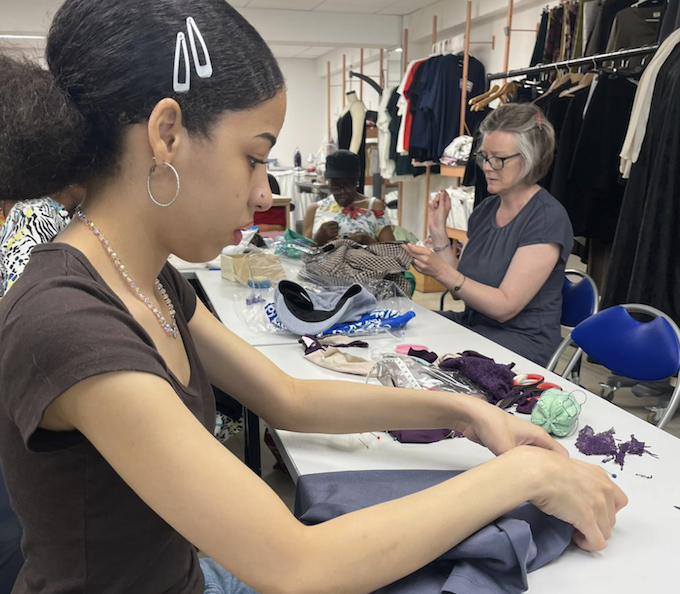
(FC Designer Collective in North London combines independent local clothing brands with haberdashery and repair / upcycling community workshops.)
For the fashion sector, there is a particular opportunity here. The traditional fashion store has largely been designed around one objective: selling new clothing. The next generation of fashion retail could be much broader.
Imagine a high street unit combining:
- pre-loved fashion;
- alterations and repairs;
- an upcycling studio;
- sewing and craft workshops;
- emerging designer pop-ups;
- clothing swaps;
- styling appointments;
- a small café;
- talks and community events;
- collection points for resale or recycling.
Not every business needs to offer all of these services. But the principle of combining complementary activities could make a relatively small retail unit considerably more useful to its local community. It could also provide emerging fashion businesses with an alternative to the traditional cost of running a full-scale shop.
Short-term residencies, shared retail spaces and rotating pop-ups could allow several small brands to occupy one premises, while giving consumers a reason to return regularly to see what is new. In that sense, the high street could become a physical marketplace for the creativity that already exists online.
However, there is a danger in assuming that better use of empty buildings alone will reverse the fortunes of town centres. Today’s consumers have become accustomed to home delivery, easy online returns and the ability to shop whenever they want. Out-of-town retail parks have their own advantages, including accessibility and parking. High street regeneration therefore needs to look beyond the individual shop.
Transport, parking, public spaces, cleanliness, safety, housing, hospitality and leisure all influence whether people want to spend time in a town centre. The Government has already linked its high street programme to a wider agenda around community control and local regeneration. The question is whether these initiatives can be joined together effectively at local level.
Perhaps the biggest change required is how we measure success. For decades, the health of a high street has often been associated with retail rents, sales, vacancy rates and footfall. Those measures remain important. Businesses ultimately need customers and revenues to survive but a successful high street today may also need to be measured by how long people stay, how often they return, how many different activities they can undertake there and whether local businesses create relationships with the communities around them.
A pre-loved fashion shop running a weekly repair workshop might not generate the same sales per square foot as a conventional fashion retailer. But if 20 people attend the workshop, several return the following week, some buy pre-loved clothing and others stop for coffee or visit neighbouring businesses, its contribution to the wider high street businesses can afford to remain there, whether people have good reasons to visit and whether the surrounding town centre provides an environment in which they want could be considerably greater than the shop’s sales figures alone suggest.
The Government’s £210m investment provides an opportunity to experiment with a different model for town centres. It recognises that empty buildings can potentially be converted into uses that serve communities rather than simply waiting for another conventional retailer to take the lease, however, money alone will not bring the high street back.
Successful regeneration will depend on what happens after the buildings are refurbished: who occupies them, whether those businesses can afford to remain there, whether people have good reasons to visit and whether the surrounding town centre provides an environment in which they want to stay.


