


The Fashion Disconnect – Why British Fashion Makers Deserve More Industry Attention
31-08-2026


Fashion is very good at showing us its glossy side. The designers, the models, the styling, the makeup, the global campaign, the list goes on. But what about the largely ignored production process? The pattern cutters, sample machinists, garment technicians, stitchers, embroiderers, production teams and manufacturers who turn creative ideas into something that can actually be worn. This integral part of the industry rarely gets the attention it deserves.
I have just read the British Fashion Council’s (BFC) 2030 strategy and while I applaud Laura Weir’s fresh thinking and new energy, with programmes, scholarships and a much-needed ambition to broaden participation beyond London. I am still left wondering about the UK’s talented supply chain and the ideal opportunity to bring ‘Made in the UK’ to the fore.
The strategy does include manufacturing under “Champion Domestic Production”. The BFC recognises that fashion made in the UK represents far more than simply a place of production. It describes British-made fashion as a marker of quality, craftsmanship, creativity, innovation and responsible manufacturing, while recognising the value of specialist skills, shorter supply chains and the potential for lower environmental impact. It also mentions supporting specialist skills such as pattern cutting and embroidery through the scholarship programme.
While this is a welcome inclusion with a nod to the many benefits, it is just one page out of 65, and my feeling is that this sector of the industry deserves far more than that. Manufacturing isn’t a peripheral activity that sits somewhere at the end of the fashion process. It is the process.

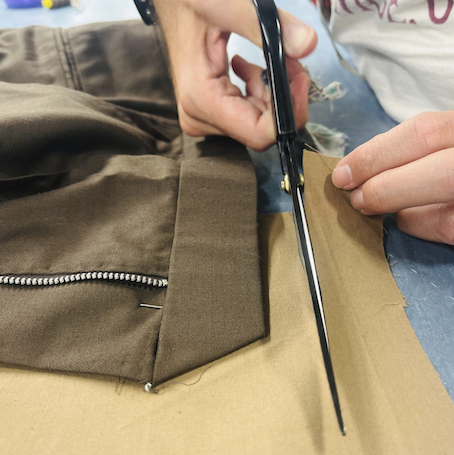
(Fashion-Enter Ltd Factory)
The factory floor may not be as glamorous as the design studio, but the two are part of the same creative process. In fact, some of the most interesting fashion happens in that space between the idea and the finished garment. When I see brands that acknowledge their skilled makers, I applaud them, because they are telling a more honest story about how fashion actually happens. No garment arrives fully formed from a designer’s imagination. There are people and processes between the sketch and the final product, and those people and skills deserve to be visible.
Perhaps we need to change the way we talk about British fashion altogether. We are rightly proud of British design. We celebrate our designers internationally and eagerly promote the creativity and cultural influence of the sector. But British fashion also has an extraordinary manufacturing heritage, with specialist skills and knowledge built up over generations that’s spread across the country.
The conversation around manufacturing is no longer just about heritage, it’s about near-shoring, made to demand, and creating a more sustainable supply chain. It’s about the future.
Supply-chain resilience, traceability, repair, resale, automation, AI, 3D technology and new production methods are changing the way fashion is made. The manufacturer of tomorrow will need to combine traditional technical knowledge with new technology. That is precisely why this sector needs to be part of the conversation.
Manchester Fashion Week taking place 9th – 12th September is interesting in this respect because it’s deliberately looking at the full spectrum of the industry. From design and catwalk collections through to supply chains, manufacturing, technology and independent retail. This feels much closer to the real business of fashion and building UK brands with longevity.
The BFC’s strategy talks about British fashion as a national creative asset and I agree wholeheartedly but surely we need to look after the entire sector that makes it possible. This isn’t an argument for taking anything away from designers. Quite the opposite. It is about giving the design process the recognition it deserves by acknowledging everyone who makes the vision possible. And perhaps this is where British fashion could really differentiate itself.
We have an extraordinary design reputation. We have heritage skills. We have manufacturing communities. We have leading educational institutions, emerging technology and a growing understanding that shorter and more transparent supply chains matter. Now is the perfect time to connect the dots and promote the industry as a whole.


