


Traditional Craft Resurgence Shows Global Growth as Demand for Handmade Skills Rises
02-11-2026


Traditional handicrafts are experiencing a global revival, with growing consumer interest, expanding workforces and increased investment in craft industries pointing to a renewed appreciation for handmade skills. New research from Embroidery Legacy reveals that the global handicraft market is projected to double in value by 2034, with Japan, Vietnam, Spain and Portugal among the countries leading the resurgence.
As the fashion and textiles industries continue to navigate technological advances, sustainability challenges and changing consumer expectations, traditional craftsmanship is finding renewed relevance. From embroidery and knitting to ceramics, basketry and other heritage techniques, handmade production is attracting growing attention from both consumers and industry.
A new study by Embroidery Legacy, which examined traditional craft activity across 45 countries, has identified the markets experiencing the strongest growth. By analysing changes in online interest between 2022 and 2025, alongside craft employment, registered businesses and imports of embroidery and craft machinery, the research offers an insight into how traditional skills are evolving globally.

Japan recorded the largest increase in online interest, with searches for handicrafts rising by 97.7% over the three-year period. Meanwhile, Guatemala experienced the strongest employment growth, with its craft workforce increasing by 66.2%. The United States emerged as the leading importer of craft machinery, spending $621 million on equipment in a single year.
Japan tops the research rankings, demonstrating how traditional craftsmanship continues to hold cultural and economic importance.
Online interest in traditional crafts increased by 97.7% between 2022 and 2025, almost doubling in just three years. The country also has approximately 19,900 registered craft businesses, with craft workers accounting for 9.1% of total employment.
Investment in specialist equipment further demonstrates the strength of the sector. Japan imported $140.2 million worth of craft machinery in 2023, including $14.2 million in embroidery and knitting machinery.
These figures highlight the continuing importance of textile-based crafts within Japan’s wider manufacturing and creative industries, where heritage techniques and specialist skills remain an important part of the country’s identity.
Vietnam ranks second, supported by a substantial craft workforce and increasing public interest in traditional handmade production.
Around 13% of the country’s workforce is employed in crafting, while machinery imports reached $309 million. Knitting and embroidery equipment accounted for more than a third of these purchases, demonstrating the importance of textile-related skills to the sector.
Consumer and hobby-level interest is also growing rapidly. Online interest in traditional crafts increased by 96.5% between 2022 and 2025, suggesting that the appreciation of handmade techniques extends beyond professional production and into everyday life.
Spain takes third place, with craft employment increasing by 20.6%. Craft workers now account for just over one-tenth of the country’s total workforce, while more than 3,800 registered craft businesses operate across the country. The sector imports approximately $45.6 million in craft machinery annually.
The figures demonstrate the contribution of traditional skills to Spain’s small-business economy, with independent craft enterprises continuing to play an important role in maintaining specialist production knowledge and supporting local creative industries.
Thailand ranks fourth, with craft workers representing 10.4% of the country’s workforce. Online interest in traditional crafts has increased by 35.4%, although employment growth has yet to match the rise in public attention.
The country imported $61.4 million worth of craft machinery, with embroidery and knitting equipment accounting for approximately one-third of purchases. Thailand also has around 2,400 craft businesses, reflecting the importance of smaller enterprises to its traditional craft sector.
Portugal completes the top five, recording a 17.4% increase in craft employment. Public interest in traditional crafts has also grown by 33% over the research period, placing the country among the strongest performers for renewed engagement with handmade hobbies.
The country’s craft machinery imports total approximately $45.6 million, although embroidery and knitting account for a smaller proportion of investment than in some other leading markets, representing 28% of total craft machinery imports.
Together, the growth in employment and public interest highlights the continuing importance of traditional production and specialist craftsmanship within Portugal’s creative economy.
Beyond the headline statistics, the findings point towards a wider shift in how consumers and businesses value handmade production.

In fashion and textiles, traditional skills such as embroidery, knitting, weaving and decorative hand-finishing offer opportunities to create products with individuality, provenance and a stronger connection to cultural heritage.
As brands increasingly explore more responsible production methods, craftsmanship can also contribute to longer-lasting products and more considered approaches to manufacturing. Specialist handmade techniques can help differentiate products in a crowded marketplace, while supporting independent makers, small businesses and regional manufacturing communities.
However, the resurgence also raises an important question for the industry: how can these skills be protected and passed on to future generations?
The growth in consumer interest needs to be matched by investment in education, training and apprenticeships. Without a skilled workforce, the industry risks losing the specialist knowledge required to maintain traditional techniques, even as demand for handmade products increases.
Fashion and textiles businesses, educational institutions and manufacturers therefore have an important role to play in ensuring that traditional craftsmanship remains commercially viable and accessible to new generations of designers and makers.
Commenting on the findings, a spokesperson for Embroidery Legacy said: “Artists and consumers are turning to textiles, embroidery, ceramics, and basketry as a counterbalance to the fast-paced, tech-heavy environment most people live in. The movement is driven by sustainability and a yearning for tactile authenticity, and that’s not a temporary lifestyle trend. The countries showing the strongest craft revivals in this study, like Japan, Vietnam, Spain, and Portugal, are all places where handmade production carries genuine cultural weight that mass manufacturing cannot replicate.”
With global interest rising and the handicraft market projected to double in value by 2034, preserving handmade skills could prove essential to meeting future consumer demand, supporting sustainable production and safeguarding the cultural knowledge that makes craftsmanship distinctive.
The full Embroidery Legacy report and country-by-country findings are available here.
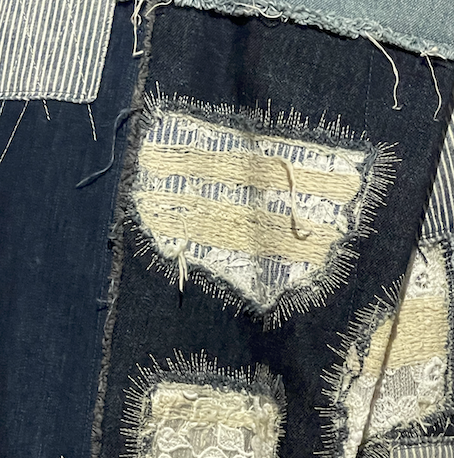
Top image from Dirty Looks exhibition, weaving and embroidery images from Textiles of Peru articles.


