


Why Fashion Lovers Are Choosing Handmade Pearl Jewellery
20-07-2026


Pearl jewellery has always held a quiet kind of appeal. Unlike trends that come and go with each season, pearls have remained a fixture in fashion for centuries, worn by everyone from royalty to everyday jewellery lovers. What has changed in recent years is how people are choosing to buy them.
There is a growing shift away from mass-produced pieces and towards jewellery that carries a sense of craft and intention. Shoppers are paying closer attention to how things are made, where they come from, and who made them. Handmade pearl jewellery fits naturally within that shift, offering something that factory production simply cannot match.
This article explores why that preference is growing, what sets handmade designs apart, and why freshwater cultured jewellery in particular has become such a popular choice for those who want pieces that feel personal, thoughtful, and built to last.
The Shift Toward Handmade in UK Fashion
Something has changed in how UK consumers approach accessories. There is a growing desire for pieces made by real people, in real places, with care taken at every stage. This is part of the broader Made in Britain conversation that has gained traction across the fashion industry in recent years.
Demand for Provenance and Artisanal Quality
Independent makers are playing an important role in the UK’s handmade jewellery market. One example is Watermeadow Lane Jewellery, which creates elegant pearl jewellery. Each piece is handcrafted in small batches with close attention to quality and durability.
These makers operate with a focus on transparency and personal accountability. Buyers receive pieces that reflect choices made at every step. This direct connection gives assurance of quality and a way to support local artisans.
The Ethical Shift in Fashion Consumption
It is the same set of values driving demand for ethical UK manufacturing across clothing and textiles. Shoppers are asking questions they did not ask a decade ago. Provenance matters to buyers in a way that a mass-produced alternative simply cannot match.
When considering accessories, jewellery that bears the stamp of handmade craft stands apart. Fewer production miles, reduced waste, and straightforward supply chains are often associated with UK brands that aim to show responsibility and care.
Why Pearls Specifically? The Appeal of a Timeless Stone
Pearls stand out because of the way they reflect light and take on subtle tones from their surroundings. They rarely clash with colours or patterns. Their natural lustre pairs easily with both structured tailoring and relaxed, casual clothing.
The rounded, understated shapes are gentle enough for everyday wear yet refined enough for special occasions. This versatility comes from pearls’ neutral palette and organic shapes. Those qualities help explain why pearl jewellery remains relevant across trends, ages, and style choices.
Freshwater cultured jewellery has played a big part in this renewed interest. Freshwater pearls are grown in mussels in lakes and rivers, mainly in China. These pearls are generally more affordable than saltwater varieties such as Akoya or South Sea, making them more attainable for shoppers who want real pearls.
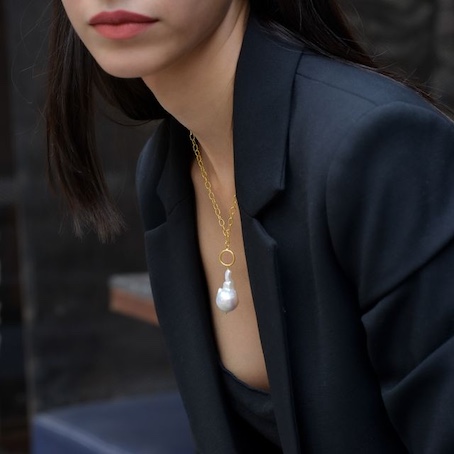
Buyers with a focus on authenticity and style can find genuine pearl items without facing the same costs associated with high-end saltwater pearls. The range of forms available also adds to their draw. Baroque pearls have an irregular, sculptural shape that suits contemporary styling well.
The Craft Behind Handmade Pearl Jewellery Designs
Each handmade pearl jewellery piece shows careful planning and skilled execution that machine-led production cannot match. Watermeadow Lane Jewellery selects every freshwater pearl individually, pairing shapes and sizes so necklaces and bracelets display a balanced look. The stringing process involves knotting silk or nylon between every pearl, which helps prevent loss if a break occurs.
Sterling silver and gold-filled components are known for lasting substantially longer than plated base metals. The precious metal content extends throughout the visible surface and withstands wear. On sterling silver, the silver runs through the entire piece, so it does not wear away with daily handling or exposure to skin.
In contrast, plating consists of a thin surface layer that can soon erode. This exposes base metal and sometimes leads to tarnish or skin discolouration. Sturdy, well-constructed pearl jewellery with solid or gold-filled settings tends to keep its appearance over many years, provided it is stored safely away from chemicals and is gently cleaned.
Bespoke commissions further distinguish independent makers from high-street options. Clients can request a particular clasp style, stringing method, or design layout, tailoring a set for a special occasion such as a wedding.
How Pearl Jewellery Fits Into Contemporary Fashion Styling
Layering and Modern Editorial Trends
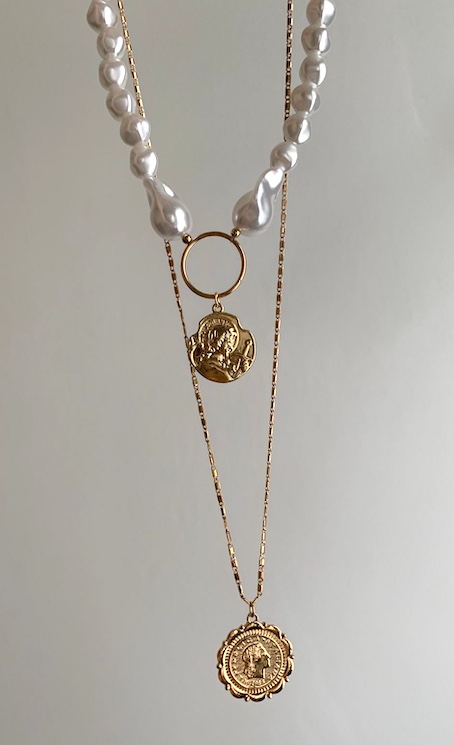
Designers and stylists throughout the UK continue to feature pearl jewellery in current looks. Pearl pieces appear in bridal collections for their understated elegance, and in daywear styling, layered with gold chains or worn as minimal statement earrings. The rising trend for layering has brought pearls centre stage.
Pairing a baroque pearl pendant with a fine chain, or combining a pearl bracelet with a simple bangle, creates a balanced look that fits both casual and formal settings. This approach appeals to different age groups and works well across changing trends.
Sustainability in Accessories
There is an increasing focus on responsible practices among both consumers and designers when selecting accessories. Handmade jewellery UK makers craft each piece locally using small-batch methods, producing jewellery only when ordered or in carefully limited runs. This approach is intended to reduce overproduction and keep unsold inventory to a minimum.
For those sourcing accessories for editorial use or retail collections, choosing small-batch UK makers can help limit environmental impact. This supports businesses with low-waste operations and fits with the priorities of fashion industry professionals attentive to responsible production.
The Bottom Line
Handmade pearl jewellery combines UK artistry, ethical values, and lasting flexibility. Shoppers now look beyond mass production in favour of pieces with provenance, supporting local makers and sustainable methods. The choice of freshwater pearls makes genuine jewellery more accessible, while unique shapes suit both modern styling and classic wardrobes.
With careful construction and easy adaptation to various settings, handmade pearl designs mark a clear change in fashion preferences towards quality, responsibility, and lasting elegance across the industry.
Images by Arif Khan and Eugenia Remark via pexels.com


