


How to Get Into Fashion Editorial Photography
24-06-2026


Editorial fashion photography remains one of the most creative and inspiring fields within the fashion industry. From magazine covers to artistic campaigns, editorial images help tell stories, showcase collections, and shape visual trends. For many photographers, seeing their work published in respected fashion magazines is a dream that represents both artistic achievement and professional growth.
Breaking into editorial photography takes more than technical skills. Success often comes from understanding storytelling, building relationships, and developing a unique visual style. While the journey requires patience, photographers who are willing to learn and experiment can gradually establish themselves in this competitive field.
What Is Editorial Fashion Photography?
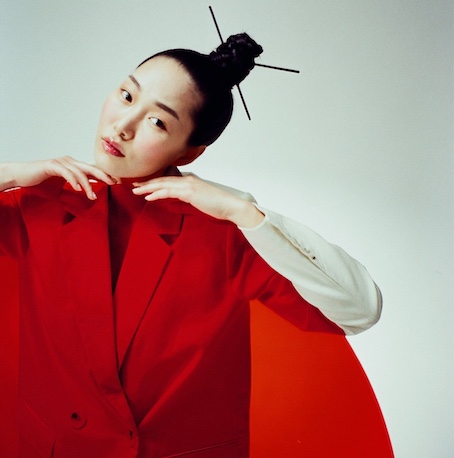
Editorial fashion photography is a style of photography that tells a story through fashion, styling, and creative concepts.
It is commonly used in magazines and fashion publications to showcase clothing, accessories, and trends while creating a specific mood or narrative. Unlike commercial photography, editorial work focuses on artistic expression and storytelling rather than directly promoting products.
Study Fashion Magazines and Editorial Trends
If you are still learning what defines great fashion photography, studying leading fashion magazines is an excellent place to start. A handful of influential publications continue to shape trends and define the industry. In the United Kingdom, some of the most respected titles include:
- Vogue
- Harper’s Bazaar
- ELLE
- Tatler
- Dazed
- AnOther Magazine
Each publication has its own visual identity and storytelling approach.
“Before working with Harper’s Bazaar, I spent countless hours studying their editorials. Understanding a publication’s visual language helped me create a stronger shoot when the opportunity finally came,” says fashion photographer – Daria Koso.
Build a Portfolio That Tells a Story
A strong portfolio is one of the most important tools for aspiring editorial photographers. Photographers should create complete editorial stories that demonstrate their creative vision. Most professionals recommend showcasing six to ten carefully selected series instead of dozens of individual photographs.
Each story should include a mix of full-length portraits, close-up beauty shots, detail images, and wider photographs that establish the mood and narrative. High-quality images are also essential when creating professional lookbooks, which are widely used throughout the fashion industry.
Personal projects provide complete creative freedom and allow photographers to experiment with concepts and styling. Creating mood boards, choosing a theme, and planning shoots in advance can help produce work that feels polished and publication-ready. Editors and stylists often look for consistency and strong visual direction rather than a collection of unrelated images.
Collaborate With Stylists, Models and Make-up Artists
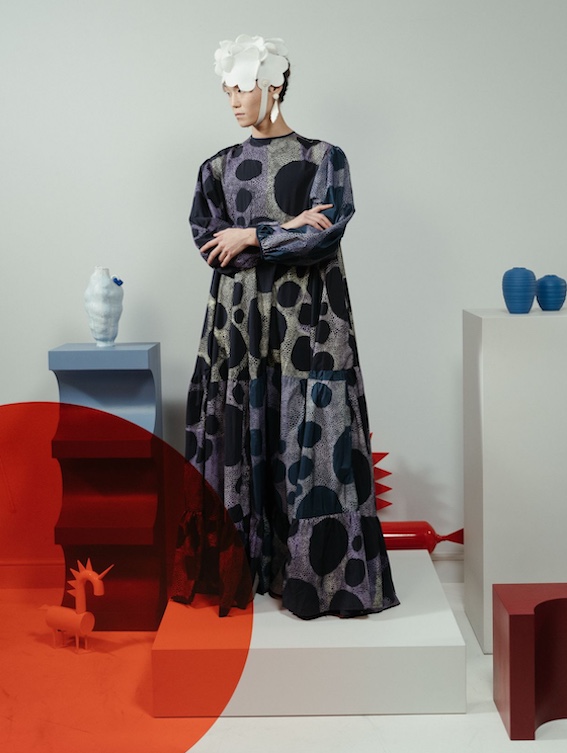
Editorial photography is rarely a solo effort. Great fashion stories are created through collaboration between photographers, stylists, make-up artists, hair stylists, and models.
Building relationships with creative professionals can open doors to future opportunities and lead to stronger work. Test shoots are often an excellent way to expand a portfolio while developing valuable industry connections.
Many successful editorial photographers began by collaborating with emerging creatives who later advanced in their own careers.
Assist Established Photographers
Working as an assistant is one of the most effective ways to enter the editorial fashion industry. Many photographers begin by reaching out to local fashion, beauty, and commercial photographers whose work they admire.
Social media, portfolio websites, and networking events can help photographers connect with established professionals. Building relationships and demonstrating reliability often lead to repeat opportunities and long-term collaborations.
Many successful editorial photographers started behind the scenes before developing their own signature style and taking on independent assignments. Learning directly from experienced professionals can accelerate both creative and career growth.
Develop Your Own Visual Style
In a competitive industry, originality matters. Photographers who develop a recognisable style are more likely to attract attention from publications and brands.
Experimenting with lighting, colour palettes, composition, and mood helps photographers discover what makes their work unique. Inspiration can come from cinema, art, architecture, and even travel experiences. Over time, these influences contribute to a signature style that sets photographers apart.
Understand the Difference Between Editorial and Commercial Photography
Although editorial and commercial photography share many similarities, their purposes are different. Editorial photography is designed to tell a story and create a mood, while commercial photography focuses on promoting products and encouraging sales.
For example, a fashion spread in Vogue might feature dramatic styling, unusual poses, and artistic lighting that support a creative concept. In contrast, a campaign for a clothing brand typically highlights the garments themselves and is created to attract customers and drive purchases.
Understanding these differences helps photographers adapt their approach depending on the assignment. Many professionals work in both areas and benefit from the balance between creative editorial projects and commercial work for brands.
Create Personal Projects to Attract Opportunities
Personal projects often become the work that attracts the most attention. Self-initiated editorials give photographers complete creative freedom, allowing them to express their ideas without limits.
These projects can also help photographers develop confidence and experiment with concepts that might eventually appeal to magazines or fashion brands. Some of the most memorable editorials begin as passion projects created simply for the love of photography.
Use Social Media and Online Platforms Strategically
Digital platforms have transformed the way photographers build their careers. Instagram, portfolio websites, and creative communities provide opportunities to showcase work and connect with industry professionals.
Consistency is important. Sharing high-quality work and maintaining a professional online presence can help photographers gain visibility and attract collaborations. Social media should be viewed not only as a marketing tool but also as a way to build relationships within the fashion industry.
Learn How Editorial Submissions Work
Every publication has its own requirements and creative preferences. Understanding submission guidelines, image specifications, and crediting standards can improve the chances of getting published.
Researching a magazine’s aesthetic and audience before submitting work can also help photographers present stories that align with the publication’s style. Professionalism and attention to detail often matter just as much as the images themselves.
Submit Your Work to Publications
Getting published is often an important milestone for photographers entering the editorial world. Independent magazines and digital publications frequently welcome submissions from emerging creatives.
Persistence is essential because rejection is part of the process. Every submission provides an opportunity to learn and refine one’s approach. Over time, building a publication history can increase credibility and open the door to larger opportunities.
Turning Passion Into a Career
Learning how to get into fashion editorial photography is a gradual process that requires creativity, patience and dedication. Technical skills are important, but storytelling, collaboration, and originality often make the greatest difference.
Success rarely happens overnight. Photographers who consistently refine their craft, build strong creative relationships, and develop a recognizable style are often the ones who eventually earn opportunities with magazines and fashion brands. With persistence and a willingness to keep learning, aspiring photographers can create work that leaves a lasting impression on both audiences and editors.
Images by Cottonbro Studio via pexels.com


