


Jenny’s India Visit Part 2: Exploring South India’s Textile Manufacturing Hubs
08-06-2026


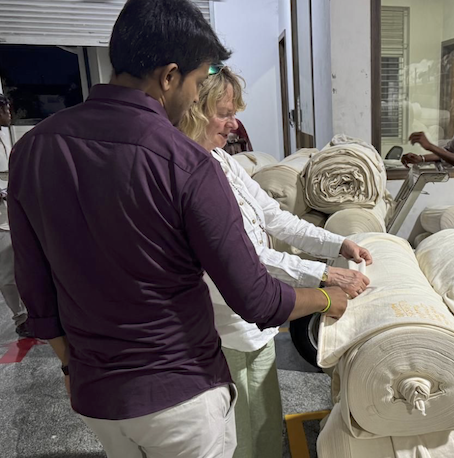
Following a series of insightful meetings with garment manufacturers in India, Jenny Holloway, CEO of Fashion-Enter Ltd (FEL) and Chair of the Apparel and Textile Manufacturers Federation (ATMF), continued her fact-finding and relationship mission in South India – a region renowned for its textile expertise, spinning operations and knitwear production.
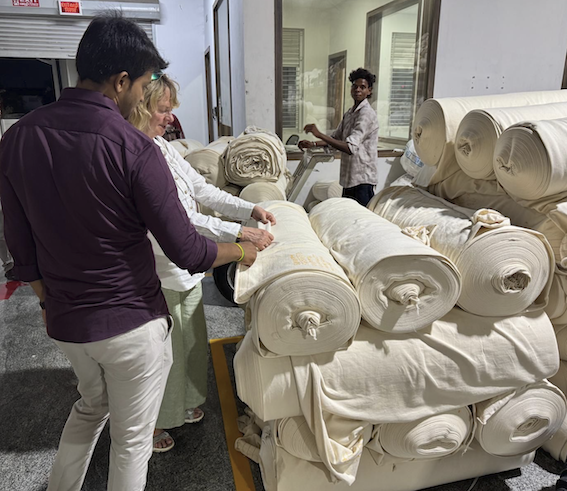
One of the key visits on this leg of the journey was to SARA TEXTILE in Tiruppur, one of India’s most important textile manufacturing hubs. Often referred to as the knitwear capital of India, Tiruppur has built an international reputation for producing high-quality cotton garments and exporting to major global markets.
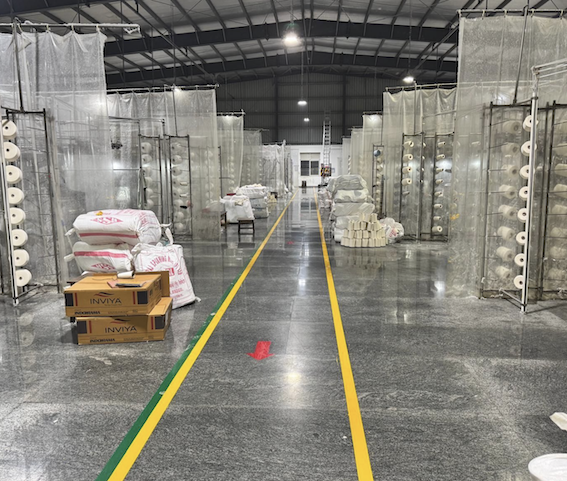
During her visit, Jenny toured the facilities and gained first-hand insight into the scale and efficiency of textile production in the region. The visit followed a tour of the knitting plant of JERSEYTEX LTD, a highly impressive operation, where manufacturing runs around the clock, 24 hours a day, highlighting the significant capacity and commitment to meeting international demand.
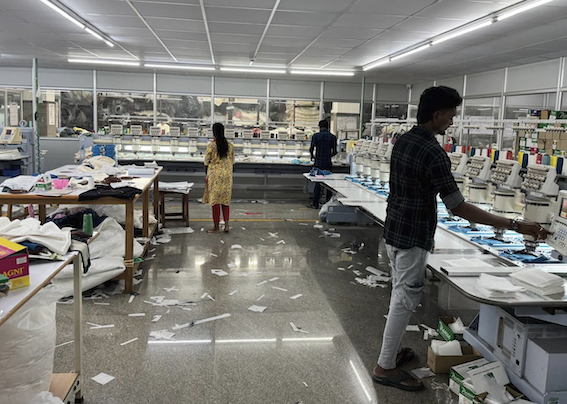
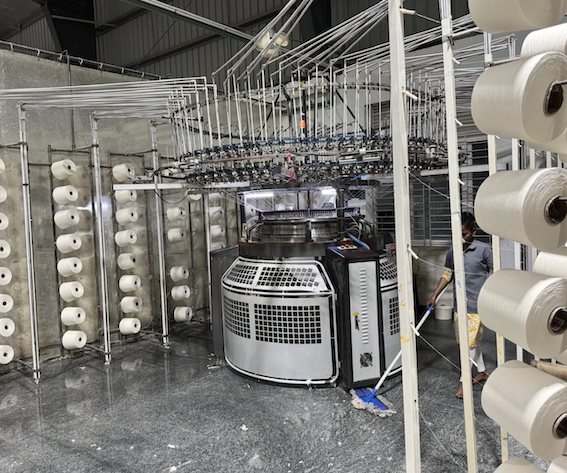
Established in 2004, JERSEYTEX has grown into a major producer of grey cotton yarn and cotton knit fabrics, supplying materials used in T-shirts, knitwear and hosiery products. With a strong export focus, particularly into European markets, the company exemplifies the growth and ambition evident throughout India’s textile sector.
A Region Built on Textiles
South India has long been recognised as a centre of excellence for textile manufacturing. From spinning and knitting through to dyeing and garment production, the region benefits from a highly integrated supply chain that enables businesses to produce quality products efficiently and at scale.
For UK manufacturers and fashion brands, these capabilities present significant opportunities for strategic partnerships, particularly as businesses seek to balance cost competitiveness, sustainability and supply chain resilience.
As FEL continues to expand its network of manufacturing partners, identifying organisations that share its values around quality, transparency and responsible production remains a key objective.
The Human Side of Manufacturing

Beyond the impressive machinery and production facilities, one aspect of the trip left a lasting impression on Jenny – the people.
“The beauty of India really is the people,” Jenny commented. “Everyone I’ve met has been present, welcoming and incredibly generous with their time and knowledge.”
This sense of calm and balance appears deeply rooted in the country’s cultural heritage, particularly through the practice and philosophy of yoga.
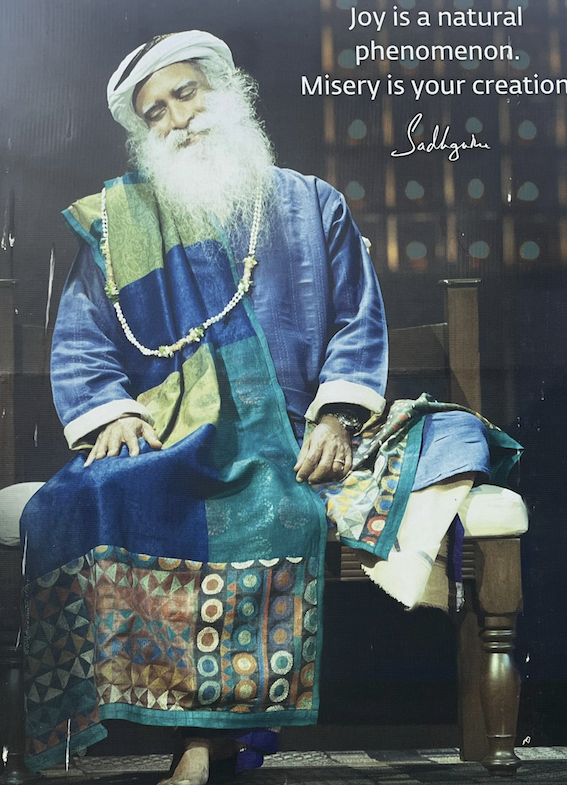
During her travels, Jenny visited the iconic Adiyogi Shiva Statue, a remarkable 112-foot-tall sculpture dedicated to Shiva as the first yogi. The monument, recognised by Guinness World Records as the world’s largest bust sculpture, symbolises the 112 pathways to human wellbeing described in yogic science.
For many visitors, the statue represents more than a landmark; it serves as a reminder of the importance of balance, mindfulness and continuous learning, qualities that resonate strongly within both personal development and business leadership.
Building Future Partnerships
The purpose of Jenny’s visit extends far beyond observation. As FEL continues to support UK fashion brands through manufacturing, training and product development services, identifying trusted international partners remains an important strategic priority.
With growing demand for ethical sourcing, responsible manufacturing and agile supply chains, collaboration between UK organisations and established Indian textile specialists offers exciting opportunities for mutual growth.
Jenny’s visit to South India has reinforced the strength of the region’s textile infrastructure while opening conversations around future partnerships that could benefit both UK brands and international manufacturers.
As the trip continues, further meetings and factory visits are expected to provide valuable insights into how global collaboration can help shape a more sustainable and resilient future for the fashion and textile industry.
Images by Jenny and Tim Holloway


