


Why Personal Care Is Becoming Part of the Fashion Business Conversation

23-03-2026


Fashion has always been about visual communication, with designers, stylists, buyers, and marketing professionals working in an environment where presentation carries meaning.
Clothing may be the centre of attention, but the overall impression someone creates often depends on smaller details that support a polished appearance.
Backstage environments, showroom meetings, and fashion events can involve long days, changing conditions, and demanding schedules. Professionals frequently move between offices, studios, retail spaces, and travel commitments.
These routines are encouraging many people in the industry to think more carefully about the habits that support their daily presentation.
Personal care routines are a consistent part of the professional culture surrounding fashion. Much like selecting fabrics or building a wardrobe, skincare should be approached as a routine that supports confidence and consistency in high-stakes environments.
Science-Driven Skincare in Modern Professional Routines
As more professionals prioritise efficient routines, brands built around evidence-based formulations are gaining attention. One example is Okoa Skin, which combines dermatological research with botanical ingredients to support the skin’s natural structure.
Formulations focus on ingredients such as targeted peptides, antioxidants, and barrier-supporting oils. These components support collagen networks, maintain hydration, and help reinforce the skin’s natural protective barrier.
Rather than promoting complicated routines, use products designed to deliver several benefits at once. Hydration, smoothing, and structural support can be addressed within the same formula, making it easier for people with demanding schedules to maintain consistent care.
This philosophy reflects a wider shift in skincare development. Many brands now combine clinically studied ingredients with plant-derived extracts that nourish and support the skin, while active compounds address structural concerns.
How Skin Structure Influences Skincare Formulation
Modern skincare research increasingly focuses on the biological structures that support healthy skin. Collagen and elastin provide firmness and flexibility, while microfibrils such as fibrillin-1 help stabilise the tissue that keeps skin resilient.
Over time, these structural components naturally weaken. Environmental stress, fatigue, and changing climates can also affect the skin barrier and moisture balance.
Targeted peptides are often used in contemporary skincare because they signal the skin to support its natural renewal processes. At the same time, antioxidant-rich botanicals help reduce oxidative stress and support overall skin condition.
The Journal of the American Academy of Dermatology highlights how maintaining the skin barrier and supporting structural proteins plays an important role in preserving skin resilience.
This growing understanding of skin biology has encouraged brands to develop formulations that work across several layers of the skin rather than focusing on isolated surface concerns.
Why Efficiency Matters for Fashion Professionals
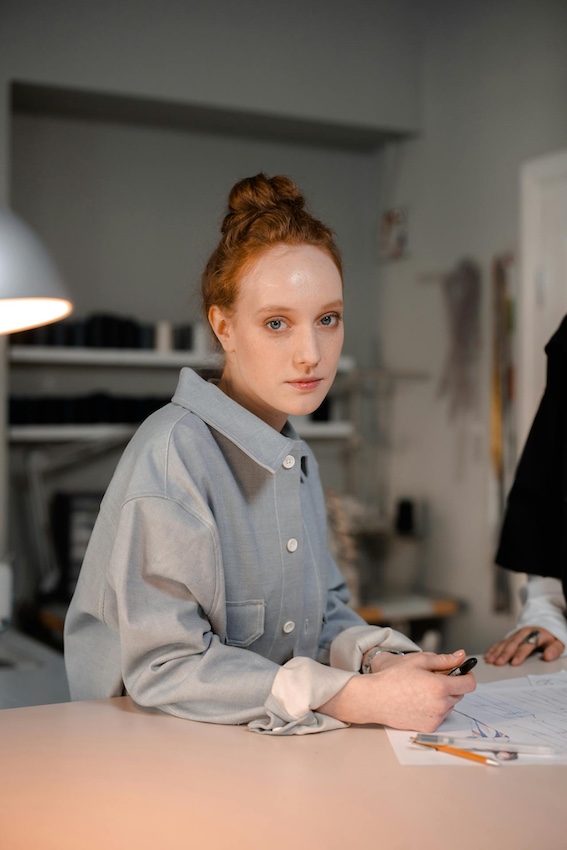
Fashion industry schedules rarely follow predictable routines, particularly for new brands navigating production timelines and campaign deadlines, which often leads to challenges highlighted in why fashion startups lose time and money in post-production.
Designers build businesses with practical systems, relying on simple structures that make demanding schedules easier to manage. Skincare routines often follow the same logic. Moisturisers with active ingredients, targeted treatments, and gentle cleansers support consistent care without adding unnecessary complexity.
That same focus on efficiency carries over into personal care. Moisturisers with active ingredients can support consistent care without adding unnecessary complexity.
In fast-moving environments like fashion, small efficiencies matter. When routines are easy to maintain, they are far more likely to remain consistent during travel, long studio days, and late campaign deadlines.
Choosing dependable products and keeping routines manageable helps maintain a polished appearance without adding pressure to an already demanding schedule.
The Growing Role of Wellness in Fashion Culture
Fashion has gradually expanded its focus beyond clothing alone. Conversations around wellness, sustainability, and lifestyle are increasingly shaping how brands connect with audiences.
Personal care routines now sit within that broader discussion. Healthy skin, balanced routines, and mindful self-care habits are becoming part of the wider narrative surrounding professional life in creative industries.
This shift reflects changing priorities across many sectors. Professionals are looking for solutions that support both appearance and well-being without demanding excessive time or complicated routines.
As a result, skincare is beginning to occupy a more visible place in discussions about professional presentation within fashion.
Presentation as a Professional Tool
In the visual industry, presentation communicates attention to detail and professionalism. While clothing remains the most obvious expression of style, grooming habits and personal care routines help complete the overall impression.
For many fashion professionals, skincare has become part of maintaining that consistency. Science-driven products that combine research-backed ingredients with supportive botanicals offer a practical way to care for the skin while managing demanding schedules.
As the fashion industry continues to evolve, the connection between personal care, wellbeing, and professional presentation is likely to become even more visible. Thoughtful routines, supported by modern formulation science, are increasingly recognised as part of the everyday discipline that helps professionals perform at their best.
Images by Ron Lach via pexels.com


