


From Fleece to Fashion: What British Wool Can Learn from New Zealand’s Global Wool Leadership
23-01-2026


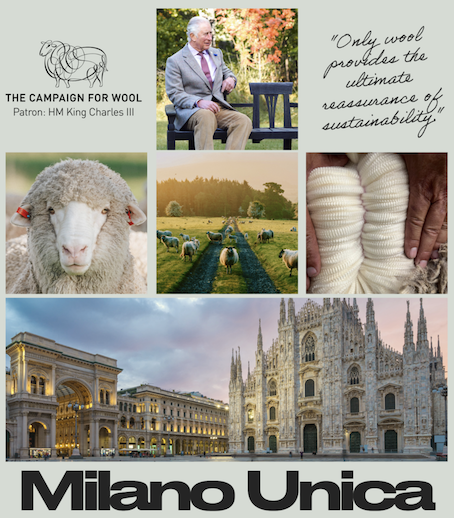
The global wool industry stands at a promising moment, while New Zealand continues to assert its position as a major wool exporter with robust demand and rising prices, the British wool sector is rediscovering its place in high-value fashion markets. With the recent collaboration by the Campaign for Wool, The Woolmark Company and UKFT to spotlight British and Merino wool fabrics at Milano Unica 2026, there’s a clear opportunity for UK fashion to re-embrace wool as a premium material.
The British Wool Context: Heritage, Craft & Underutilised Potential
Despite its rich legacy, British wool historically has been underused in fashion and textiles compared with global competitors. Initiatives such as the Great British Wool Revival underscore this challenge, connecting designers, farmers and mills to strengthen local supply chains and make British wool more accessible.
British Wool, the farmer-run cooperative that collects, grades and markets wool from UK sheep farmers continues to support producers with export services and training, but the industry acknowledges the fibre’s untapped potential for quality apparel.
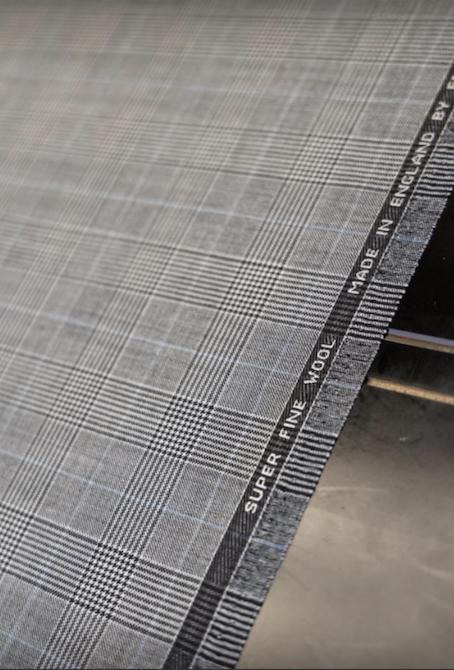
Milano Unica 2026 signals renewed fashion sector interest in wool. The Campaign for Wool and Woolmark have just showcased fine worsted Merino for tailored garments, for both menswear and womenswear, bringing together craftsmanship, durability and sustainability.
Yet in the UK, wool is still regaining fashion relevance after decades of decline caused by synthetic dominance, unfeasible price points, supply chain fragmentation and underinvestment in domestic processing infrastructure. Strategic industry-wide efforts, including projects like Great British Wool Revival, aim to reverse this trend by telling British wool’s story from farm to fashion.
New Zealand: A Global Wool Powerhouse with Market Momentum
By contrast, New Zealand’s wool sector continues to thrive on the global stage. NZ is consistently one of the world’s largest wool producers and exporters. Sheep numbers may have declined from historical highs, but production remains significant, with around 120,000 tonnes of wool annually, mostly strong wool and export revenues near NZD $549 million (2024).
The Chinese market remains NZ’s largest export destination, with robust demand for strong and premium wools. While recent reports show wool prices reaching decade highs amid constrained supply and growing buyer competition.
Innovation and diversification
New Zealand wool is not just about volume; it’s gaining traction through innovation. Government-backed initiatives have catalysed new uses for wool from particle technology for cosmetics and paints to non-woven materials, illustrating how strong wool can move beyond traditional carpet and rug markets.
Wool Impact, an advocacy and resource hub, also actively helps brands navigate wool use by providing guides, marketing insight and tools to integrate wool into higher-value product lines.
Fashion’s 26/27 Wool Story
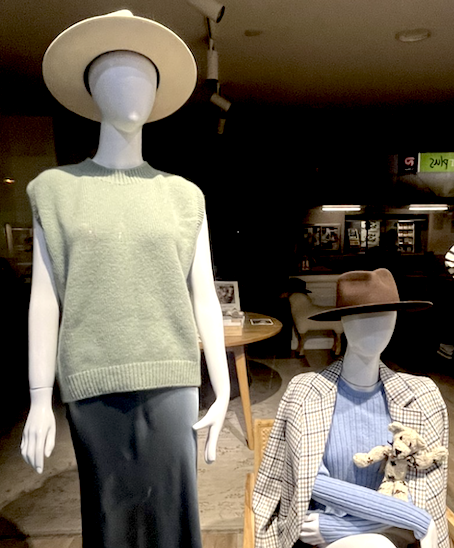
For AW 26/27, wool is reclaiming its position at the heart of fashion narratives:
Tailoring & Silhouettes
- Precision tailoring with Merino worsted yarn continues to gain relevance, balancing classic suiting with relaxed silhouettes and a smooth finish that bridge formal and casual wardrobes.
- Designers are blending structured tailoring with layered knitwear and overcoats for trans-seasonal appeal where consumers prioritise versatility and longevity.
Colour & Texture
- Industry trend forecasts cite rich earth tones, deep forest greens, charcoal greys and milky ivories will dominate wool palettes, reflecting a desire for timeless, wearable colours that maximise trans-seasonal wear.
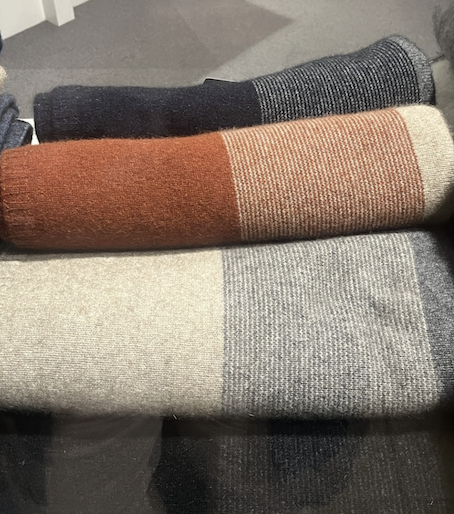
- Textural contrasts such as ribbed knits, brushed coatings and mélange fleeces add depth to classic wool pieces, reinforcing craftsmanship.
Sustainability as Value Proposition
- Wool’s natural biodegradability, breathability and low environmental impact position it at the core of sustainable fashion narratives. Increasing consumer demand for ethical materials aligns wool more naturally with premium fashion values than many synthetics.
- The renewed fashion interest in traceability and provenance exemplified by British wool initiatives and NZ’s export branding signals that consumers care about story as much as performance.
What the British Industry Can Learn From NZ’s Approach

While the UK’s wool sector enjoys a rich heritage, it can borrow strategic lessons from New Zealand’s model:
New Zealand has effectively positioned wool through international business engagement, especially in key markets such as China, helping demand and prices climb. The UK can amplify British wool narratives on international stages, blending heritage and contemporary fashion relevance.
NZ’s success illustrates the importance of adding value beyond raw fibre through product innovation, branded storylines and diversified uses. British wool stakeholders could expand beyond commodity sales into premium fashion partnerships, driving higher margins and stronger brand recognition.
Organisations like Wool Impact and NZ industry groups unify growers, brands and innovators a playbook the UK could emulate more widely, strengthening the farm-to-fashion pipeline.
NZ’s focus on innovation includes environmental credentials, biodegradability and sustainability – attributes that resonate strongly with fashion brands and consumers seeking responsible luxury. UK wool narratives should similarly foreground sustainability as core, not an afterthought.
Industry and Legal Welfare Frameworks
Both the UK and New Zealand have established animal welfare regulations and codes that apply to sheep, the primary source of wool, to ensure their care is legally protected.
As with all animal-related products it is essential for the fashion industry to engage with animal welfare standards and communicate these clearly to consumers. It is increasingly important, not only to respond to ethical concerns but also because today’s luxury and premium consumers demand traceability and evidence of humane practices as part of a broader sustainability commitment.
Valuing British Wool
Both the British and New Zealand wool industries stand at a moment of renewed opportunity. In the UK, an unrivalled heritage is now being matched by fresh engagement to the growing confidence around ‘Made in Britain’ craftsmanship. As designers and consumers look beyond synthetics towards materials that offer authenticity, performance, sustainability and longevity, wool is once again finding its voice. By embracing value-added innovation, clear provenance and confident global storytelling British wool is well positioned to reassert itself as a modern fibre of choice for fashion and tailoring.
Sources:
UKFT
woolimpact
https://www.farmersweekly.co.nz
TextileExchange


