


Why Fashion Brands Need To Take AI Search Visibility Seriously
08-12-2025


The fashion industry thrives on speed, innovation and the ability to capture consumer attention at exactly the right moment. As artificial intelligence reshapes how people search for products, fashion brands are entering a new phase where traditional SEO is no longer enough. AI powered search systems are transforming how users ask questions, discover trends and ultimately choose what to buy.
A Switch To Conversational Search
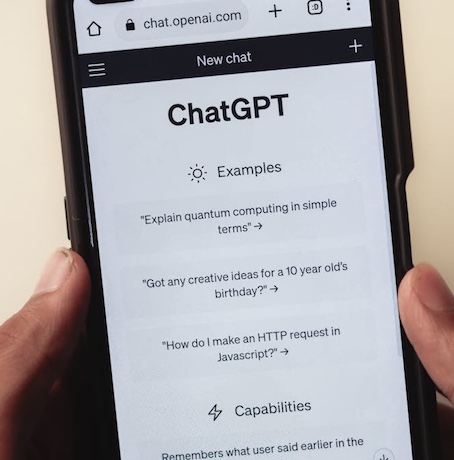
Instead of relying on short keyword searches, consumers now use conversational queries across platforms such as Google AI Mode, Bing Copilot, ChatGPT, and AI assistants built into phones and apps. Requests like “What cardigan goes with a green satin skirt” or “Find me ethical trainers for everyday wear” reflect a more natural way of searching. This shift changes how visibility works and requires brands to rethink their digital strategies.
Why Expert Support Now Matters
With AI reshaping search behaviour so rapidly, many fashion brands are finding that older optimisation tactics no longer deliver results. Ensuring that product data, imagery and content are correctly interpreted by AI systems requires a more comprehensive approach. Working with an expert AI search marketing agency can help brands understand how AI models evaluate relevance, structure information and produce recommendations. Specialist guidance provides a faster route to improving visibility in AI powered search environments and helps ensure your brand is correctly positioned within this new landscape.
Why Keywords Alone No Longer Win
AI search tools interpret meaning, context and intent in ways far more advanced than traditional search engines. This means visibility is not just about matching keywords. It is about providing content that answers questions clearly, accurately and in a way the AI systems can understand.
Fashion brands need richer product descriptions, more structured data and content that reflects real user intent. Details about materials, fit, sustainability, styling advice and care instructions all help AI models understand when your products are relevant.
Reduced Click Throughs Increase the Stakes
One of the biggest changes with AI generated summaries is that users may get an answer without clicking through to a website. This creates a new challenge for fashion brands. If your brand is not mentioned within the AI summary itself, you risk losing visibility even if you previously ranked well.
Being referenced directly in AI responses is now essential. This requires well optimised content that AI can interpret confidently. It also means stronger brand authority signals across multiple platforms, since AI systems rely on a wider range of data to decide which brands to feature.
The Growing Power of Visual Search
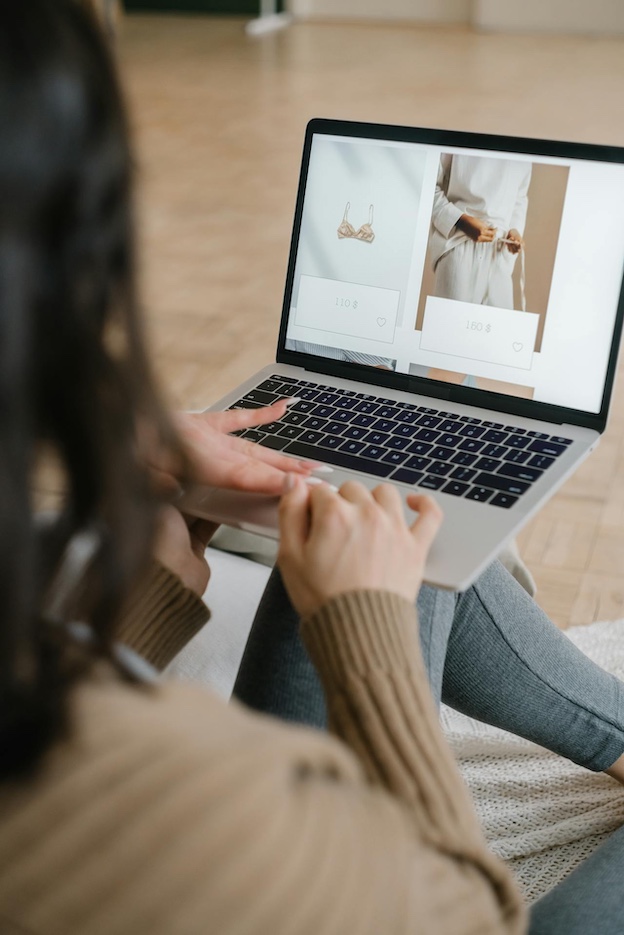
AI driven visual search is becoming increasingly influential in fashion. Consumers can upload or screenshot an outfit and instantly receive recommendations for similar items. Clear, high quality product images with consistent backgrounds and descriptive metadata are crucial for ranking well in visual search results.
For fashion brands, this represents a major opportunity. Optimising your imagery helps AI systems match your products to trending looks and user generated content across social platforms.
Personalised AI Shoppers Are Changing Expectations
AI powered personal shopping tools are becoming more sophisticated, offering recommendations based on an individual’s style, body type, past purchases and even trends emerging online. To be included in these curated product suggestions, brands must ensure their product data is highly structured and machine readable.
The Time to Act Is Now
AI search is already changing how consumers discover fashion products, compare options and decide what to buy. Brands that take this seriously now will strengthen visibility, improve engagement and gain a real competitive edge. Those that wait risk being overshadowed by competitors who are already adapting.
Images by Sanket Mishra and Mikhail Nilov via pexels.com


