


The Evolution of Workspaces in the Fashion Industry
22-04-2026


The fashion industry has always thrived on creativity, movement, and adaptability. In recent years, the traditional studio or office setup has started to shift, making way for more flexible workspaces that better reflect the dynamic nature of the field. Designers, stylists, photographers, and marketers are increasingly seeking environments that can evolve with their needs, allowing them to seamlessly transition between creative processes, collaboration, and business operations.
This transformation has been accelerated by changing work habits, technological advancements, and a growing demand for versatility. Fashion professionals are no longer confined to rigid office structures; instead, they are embracing spaces that inspire innovation and support a more fluid way of working.
Why Flexibility Matters in Fashion
Fashion is an industry that rarely stands still. From seasonal collections to fast-moving trends, professionals need workspaces that can adapt just as quickly as their ideas. A rigid environment can limit creativity, while a flexible workspace encourages experimentation and spontaneous collaboration.
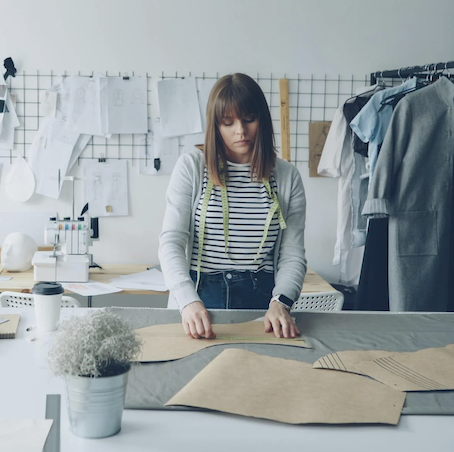
For example, a designer might need an open area to lay out fabrics and sketches one day, and a private space for virtual meetings or fittings the next. Similarly, photographers and content creators often require adaptable lighting setups and movable backdrops. Flexible workspaces provide the freedom to reconfigure environments without major disruptions, making it easier to meet the diverse demands of the industry.
Blending Creativity with Functionality
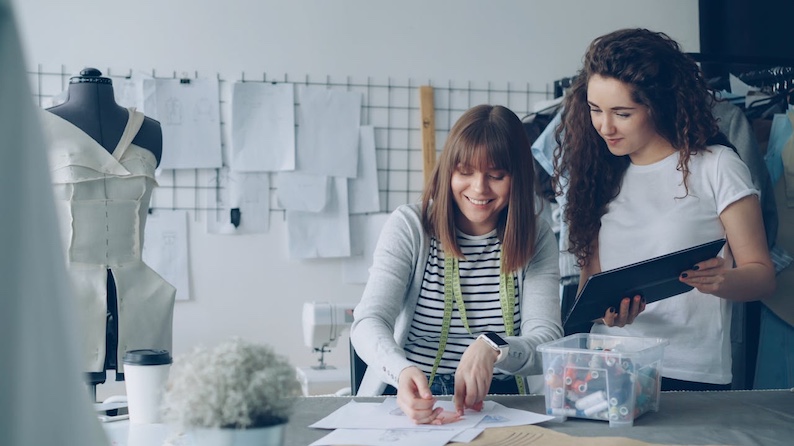
One of the key challenges in designing flexible workspaces for fashion is striking the right balance between creativity and practicality. While aesthetics are important, the space must also be highly functional. Storage solutions, lighting, and layout all play a crucial role in ensuring that the workspace supports productivity as well as artistic expression.
Modern fashion workspaces are increasingly incorporating modular furniture, movable partitions, and multi-purpose areas. These elements allow professionals to customise their environment based on the task at hand, whether it’s designing, hosting clients, or shooting content for social media.
Incorporating architectural features such as Slide & Fold doors can also enhance flexibility by creating open-plan spaces that can be easily divided when needed. This allows for a seamless transition between collaborative and private areas, which is essential in a fast-paced creative environment.
The Role of Technology in Flexible Workspaces
Technology has played a major role in shaping the future of flexible workspaces in fashion. Digital design tools, virtual fitting software, and cloud-based collaboration platforms have made it easier for teams to work together from different locations.
As a result, physical workspaces no longer need to accommodate every aspect of the workflow. Instead, they can focus on providing inspiring environments for creativity and collaboration, while routine tasks are handled digitally. This hybrid approach allows fashion professionals to work more efficiently while maintaining the personal connection that is often crucial in creative industries.
Additionally, smart lighting, adjustable workstations, and integrated tech solutions are becoming standard features in modern workspaces. These innovations not only improve functionality but also contribute to a more comfortable and adaptable environment.
Sustainability and the Future of Workspace Design
Sustainability is another key factor influencing the evolution of flexible workspaces in fashion. As the industry becomes more environmentally conscious, there is a growing emphasis on designing spaces that are both efficient and sustainable.
Flexible workspaces naturally support this goal by reducing the need for constant renovations and minimising waste. Instead of creating entirely new environments for different purposes, existing spaces can be adapted and reused. This not only saves resources but also aligns with the broader shift toward sustainable practices in fashion.
Materials, lighting, and energy usage are also being carefully considered in workspace design. By prioritising eco-friendly solutions, fashion professionals can create spaces that reflect their values while supporting long-term sustainability.
A New Era of Creative Freedom
The future of flexible workspaces in fashion is all about freedom, freedom to create, collaborate, and adapt without limitations. As the industry continues to evolve, workspaces will play an increasingly important role in shaping how professionals operate and innovate.
By embracing flexibility, fashion creatives can unlock new possibilities, improve productivity, and stay ahead in a competitive landscape. Whether it’s through adaptable layouts, innovative technology, or thoughtful design, the workspace of the future is one that evolves alongside the people who use it.
Images by Vitaly Gariev via pexels.com


