


How to Layer for a Ski Holiday Without Feeling Bulky
23-11-2026


Dressing for the slopes can feel like a balancing act. You need enough warmth for an exposed chairlift, but too many thick layers can leave you overheating halfway down your first run. Your clothes also need to let you bend, turn and move comfortably without fabric bunching around your waist or shoulders. The answer isn’t simply to wear more. A good ski outfit gives each layer a specific job, helping you build warmth without unnecessary volume. A base layer manages moisture, a middle layer provides insulation and your outerwear protects you from the weather.
Start With a Close-Fitting Base Layer
Your base layer sits against your skin, so this is where streamlined dressing begins. Merino wool and technical synthetic fabrics can move moisture away from your skin more effectively than cotton, which absorbs moisture and can leave you feeling damp and cold.
Choose a close fit rather than sizing up for warmth. A slim long-sleeved top and thermal leggings should sit smoothly underneath your next layer without restricting how you move. From a styling perspective, a neat foundation also prevents the uneven silhouette that comes from stacking several oversized garments.
Dress for Your Destination and Conditions
Different ski holidays can call for slightly different clothing, so avoid packing one rigid combination for every day. A sunny spring trip may only require a lightweight base beneath your jacket, while colder midwinter conditions could call for additional insulation.
Check the forecast before getting dressed each morning and consider how active you expect to be. If you spend most of your day skiing continuously, you may want less insulation than someone taking gentle runs followed by longer breaks. Packing adaptable pieces allows you to change your layers without taking several bulky coats.
Keep Your Mid-Layer Lightweight
Your middle layer provides insulation, but thickness doesn’t automatically equal useful warmth. Fleece, merino or a lightweight insulated jacket can help retain body heat without creating the stiff feeling you get from stacking chunky jumpers.
A fitted fleece works particularly well underneath a shaped ski jacket because it provides warmth while maintaining a smooth outline. You could also use a lightweight insulated gilet if you want extra warmth around your core while keeping your arms relatively unrestricted. On milder days, you can remove the mid-layer altogether and rely on your base and outer layers.
Let Your Jacket Handle the Weather
Think of your ski jacket as protection rather than simply another thick layer. A waterproof, breathable outer shell helps keep out wind and snow while letting your other layers provide most of the adjustable warmth underneath.
Pay particular attention to the fit across your shoulders and arms. You need enough room for your base and middle layers while still being able to reach forward and rotate comfortably. Lightweight insulation can also provide additional warmth without automatically creating a bulky silhouette.
Use Proportion to Keep Your Look Streamlined
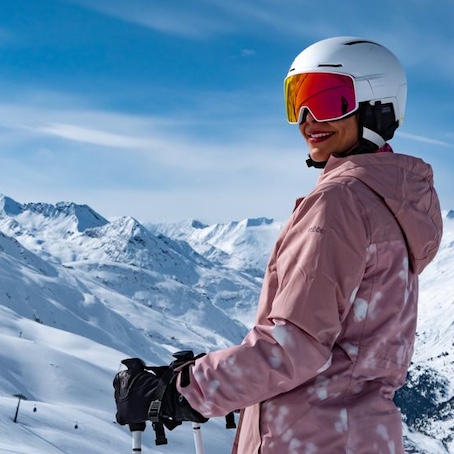
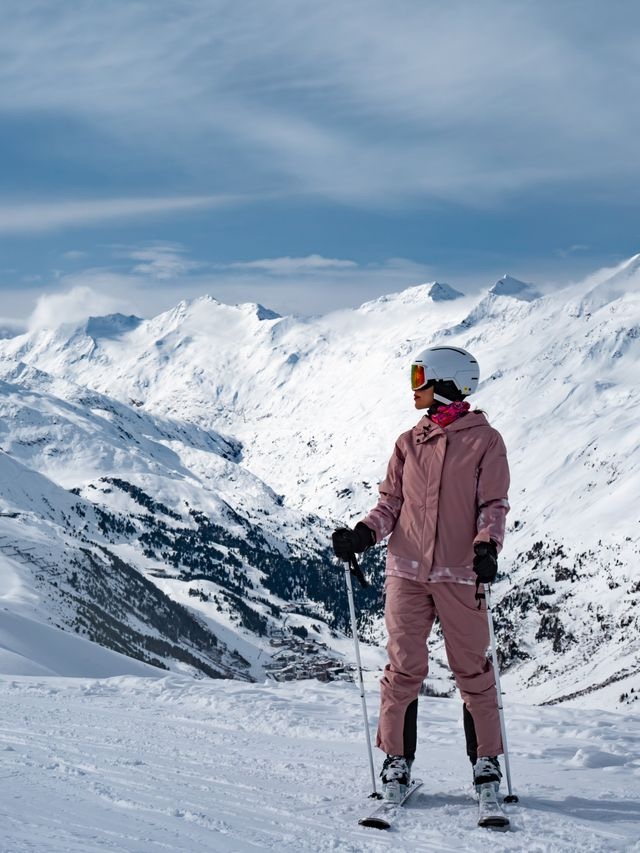
Technical performance matters on the slopes, but you can still think about proportion and personal style. If your jacket has a relaxed or boxy silhouette, slimmer ski trousers can create balance. Wider salopettes, meanwhile, can work well with a more fitted jacket.
Accessories also give you an easy way to introduce colour without adding unnecessary clothing. Goggles, gloves and a neck warmer can coordinate with your jacket or bring contrast to an otherwise neutral outfit. Keeping the garments underneath relatively streamlined will help your outerwear sit properly and give you greater freedom to move.
A well-planned ski wardrobe shouldn’t leave you feeling wrapped in endless layers. Choose pieces that each serve a clear purpose, and you can stay warm while maintaining a comfortable, streamlined look.
Images by Christopher Politano via pexels.com


