


How Human Hair Wigs Are Becoming a More Sustainable Choice in the Fashion Industry

13-07-2026


The fashion industry is experiencing a major shift in the way consumers view style, quality, and consumption. As sustainability becomes a key consideration for brands and shoppers, more attention is being given to products that offer durability, versatility, and long-term value.
While clothing and accessories often dominate discussions around sustainable fashion, hair and beauty products are also becoming part of this conversation. Wigs have evolved beyond their traditional role and are now recognised as an important element of personal style, fashion expression, and creative styling. Among these options, human hair wigs are gaining attention for their quality, versatility, and potential to support more mindful consumption.
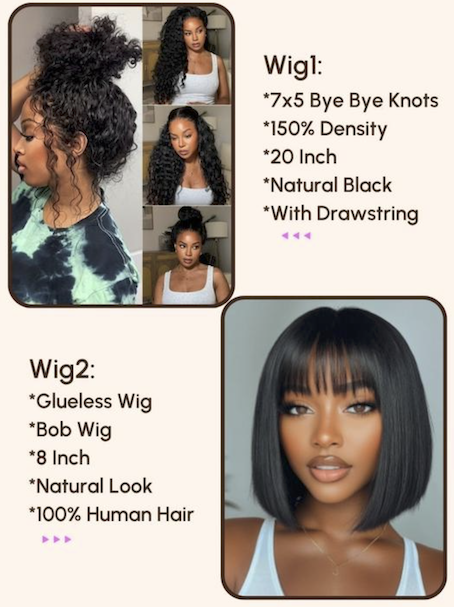
The Growing Demand for Longer-Lasting Fashion Products
One of the biggest challenges facing the fashion industry is the impact of fast consumption. Consumers are increasingly moving away from disposable products and looking for items that provide better value over time. This has encouraged brands across different sectors to focus on durability and product longevity.
Human hair wigs align with this changing mindset because they are designed to be maintained, restyled, and worn repeatedly. Unlike products that are replaced frequently due to changing trends or reduced quality, a well-made wig can become a long-term part of a person’s style collection.
This approach reflects a wider movement within fashion towards investing in fewer but better-quality products. Similar to choosing timeless clothing pieces that can be worn across different seasons, selecting a durable wig allows consumers to create different looks while reducing the need for constant replacement.
Wigs Are Becoming Part of Modern Fashion Expression
Fashion has always been about creativity and individuality, and hairstyles play an important role in completing a look. Today, wigs are increasingly being used not only for practical reasons but also as a way to explore different styles, colours, and textures.
The influence of social media, celebrity styling, and fashion content has accelerated this trend. Consumers are more willing to experiment with their appearance, and wigs provide a flexible way to achieve new looks without making permanent changes to natural hair.
For fashion designers, stylists, and creative teams, wigs have long been a useful tool for developing specific aesthetics in photoshoots, editorial projects, and runway presentations. As the connection between fashion and beauty continues to grow, wigs are becoming more recognised as part of the wider fashion ecosystem.
New Opportunities for Fashion Retailers and Brands
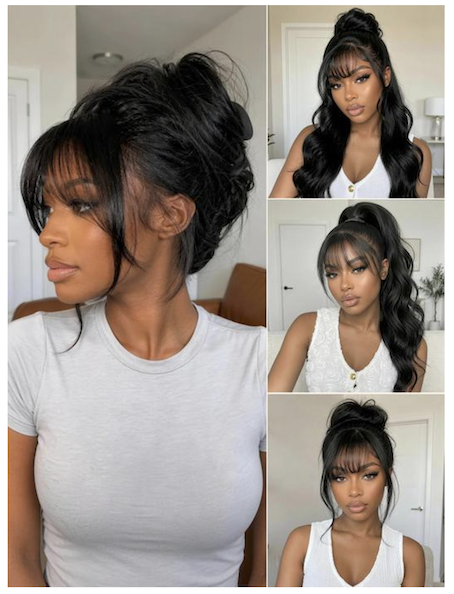
The growing popularity of wigs also creates new opportunities for fashion businesses. The boundaries between fashion, beauty, and lifestyle retail are becoming increasingly connected, with consumers looking for complete styling solutions rather than individual products.
For online retailers and emerging fashion brands, expanding into complementary categories can help meet changing customer expectations. Offering carefully selected wigs for sale alongside fashion products allows businesses to provide a more complete shopping experience and respond to the growing demand for personalised style choices.
This trend is particularly relevant for start-up brands that are looking for new ways to differentiate themselves. By understanding how consumers combine clothing, accessories, and beauty products, businesses can create more engaging brand experiences.
Quality, Care, and Responsible Consumption
Sustainability is not only about how products are created. It is also about how long they remain useful. Product care and customer education play an important role in extending the lifespan of fashion and beauty items.
Providing guidance on maintenance, storage, and styling can help customers get more value from their purchases. For wig brands and retailers, sharing this information can also build trust by showing a commitment to product quality rather than focusing only on sales.
Transparency is another important factor shaping consumer decisions. Today’s shoppers want to understand the value behind their purchases, including product quality, craftsmanship, and expected lifespan. Brands that communicate clearly with customers are better positioned to build long-term relationships.
The Future of Wigs in Sustainable Fashion
As the fashion industry continues to explore more responsible approaches, wigs represent an interesting example of how different sectors can contribute to sustainable style. Their versatility, durability, and connection to personal expression make them increasingly relevant to modern consumers.
For fashion retailers, manufacturers, and entrepreneurs, the growing role of wigs highlights a broader industry trend: consumers are looking for products that offer both creativity and lasting value. Sustainability is no longer limited to clothing alone. It is becoming part of the wider fashion experience, including the choices people make to express their individual style.
Top image Biola Visuals via pexels.com


