


How Custom Apparel Supports the Future of Fashion Careers and Small – Scale Manufacturing

09-12-2025


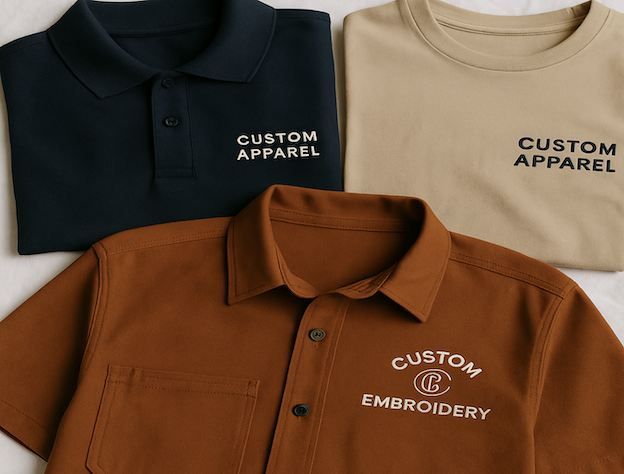
Fashion careers look very different today than they did a decade ago. Alongside digital skills and sustainability awareness, new designers and graduates are also expected to understand the commercial layers of production. One area gaining importance across both established brands and emerging labels is the strategic use of custom apparel within small-scale manufacturing and brand development.
Custom garments are no longer reserved for large retail operations. They have become a realistic and accessible option for studios, start-ups and independents wanting to build identity while managing lean inventory. This shift is particularly visible in design-focused regions, with many businesses turning to modern production partners specialising in custom clothing Melbourne to prototype ideas, test branding and develop cohesive workwear for internal teams.
For young designers, understanding this space can serve as a practical extension of their fashion education.
Why Custom Clothing Matters for Early-Stage Designers
Most graduates enter the industry with strong technical or creative skills, but commercial experience often comes later. Custom apparel offers an approachable middle ground where designers can practise decision-making on fit, fabric, print technique and brand positioning without entering full-scale production.
For example, choosing between techniques such as screen printing, DTF, or custom embroidery forces designers to think critically about:
- durability
- garment base quality
- colour accuracy
- wash performance
- how branding interacts with silhouette and proportion
These are real manufacturing considerations, and exposure to them early on makes a young designer more employable in fashion production roles.
Supporting Small-Run Manufacturing and Start-Up Brands
Small production runs have become part of modern brand building. Instead of launching with hundreds of units, start-ups now test designs in controlled quantities. This approach reduces waste, avoids storage costs and allows brands to pivot quickly if the market shifts.
Suppliers working in custom clothing Melbourne environments typically offer practical support: clear communication, mockups, and guidance on the technical side of garment decoration. This mirrors how larger UK manufacturers assist brands, but at a scale accessible to students, freelancers and micro-businesses. It also gives designers exposure to the growing demand for methods like custom embroidery, which provide a more tactile and durable finish than digital-only techniques.
Understanding these workflows is valuable for anyone pursuing a future in merchandising, fashion production or studio management.
Workplace Identity and Fashion’s Expanding Skill Set
Another area where custom apparel is increasingly relevant is workplace uniform design. Studios, retail environments and artisanal workshops often use coordinated garments to reinforce brand identity and create a sense of cohesion. For graduates, seeing how clothing functions beyond the runway broadens their understanding of fashion’s everyday applications.
A uniform must balance:
- brand visibility
- comfort across long working hours
- functional durability
- alignment with the organisation’s aesthetic
Many teams rely on embroidered branding because custom embroidery offers a refined, long-lasting appearance suitable for high-contact environments.
Sustainability and Responsible Quantities
FashionCapital has long championed ethical, efficient UK manufacturing. Custom apparel aligns with these values by encouraging small, intentional production rather than large speculative batches. When designers use mockups, digital proofs and short runs, they reduce both material waste and unsold inventory.
This method also fits the industry’s shift toward mindful consumption. Whether applied to branded uniforms or limited-run merchandise, thoughtful production demonstrates responsibility toward materials and labour.
How Students and Early Career Designers Can Engage with This Area
For those entering the field, custom clothing, including embroidered garments and short-run printed pieces, provides a practical gateway into industry-ready skills. They can:
- experiment with logo placement and textile techniques
- understand how different materials accept custom embroidery or prints
- build small test collections that reflect both creativity and commercial thinking
- work through real-world communication between designers and manufacturers
These experiences translate directly into roles across production, garment technology, merchandising and studio operations.
Final Thoughts
Custom apparel sits at the intersection of creativity and practicality. It gives new designers hands-on insight into manufacturing while helping businesses develop visual identity through carefully produced garments. Whether used for prototyping, branding or team presentation, it is becoming an essential tool in the modern fashion landscape, one that offers valuable learning opportunities for the next generation of industry professionals.


