


Fashion-Enter Ltd Supports Next Generation of Luxury Makers Through The King’s Foundation – CHANEL and le19M Programme
14-09-2026


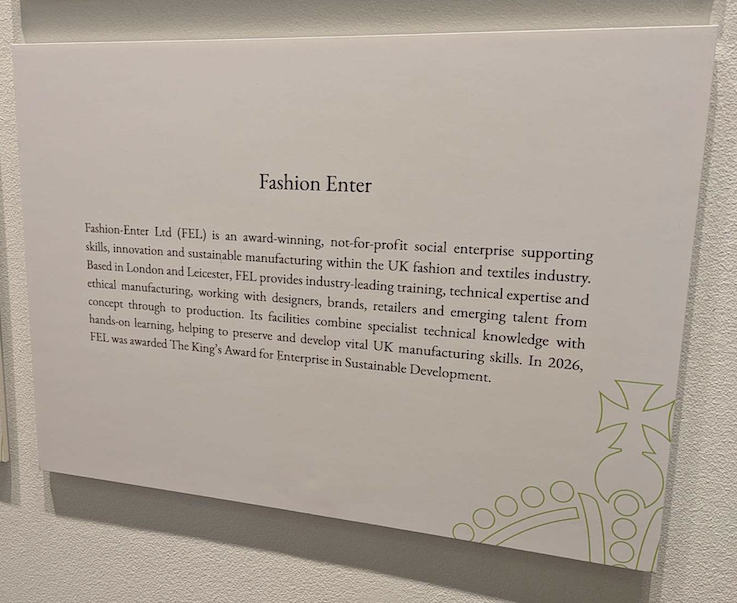
The King’s Foundation’s latest collaboration with CHANEL and le19M is giving a new generation of fashion makers the opportunity to develop their skills to couture-level standards – with Fashion-Enter Ltd (FEL) providing essential technical development and production support behind the scenes.
Building on the success of The King’s Foundation’s Modern Artisan projects, including previous collaborations with Net-a-Porter, the new programme brings together British craft education, luxury fashion expertise and sustainable approaches to garment production.
The intensive programme has been designed to train and inspire the next generation of garment makers, combining world-class artisanal expertise with technical training, collaborative production and independent professional practice.
At its centre is a commitment to the sustainable evolution of luxury fashion. Students explore the relationship between skills, materials, making and design, developing expertise in areas including precision sewing, construction, handcrafting and quality control, while learning the collaborative approach required for luxury and couture-level production.
A key element of the programme is the partnership with le19M, CHANEL’s Paris hub dedicated to the specialist fashion Métiers d’art. Working alongside Paloma, a specialist in soft and flowing fabrics since 1982, students were given the opportunity to develop their draping and fabric-handling skills while experiencing first-hand the savoir-faire that underpins luxury fashion production.
For Fashion-Enter, the programme provided an opportunity to bring its specialist technical expertise into the development process.
Claire Solley, Technical Development Director at Fashion-Enter Ltd, supported the students throughout the project, providing technical guidance including pattern support and operation breakdown. FEL also provided the bulk cutting service for the final collection, helping translate the students’ designs into a production-ready capsule collection.
Claire was able to experience the programme at first hand, travelling with the students to Paris to visit Paloma and witness their development in draping and fabric skills.
“I was fortunate enough to visit Paloma with the students and witness them developing their draping skills,” said Claire. “It was a fantastic opportunity to see the students working directly within a specialist environment and experiencing the knowledge and craftsmanship that sits behind luxury fashion.”
The technical development continued at Dumfries House, where Claire supported the students with final sample construction, pattern changes and operational breakdown in preparation for production.
This combination of creative development, technical expertise and production knowledge is an important part of the programme’s industry-focused approach. Rather than learning skills in isolation, students are introduced to the realities of taking a collection from concept and sampling through to coordinated batch production, with an emphasis on accuracy, efficiency and quality.
FEL’s involvement therefore extended beyond conventional technical support. Pattern development, operation breakdown and bulk cutting provided students with valuable insight into the processes required to turn creative ideas into commercially and technically viable garments.
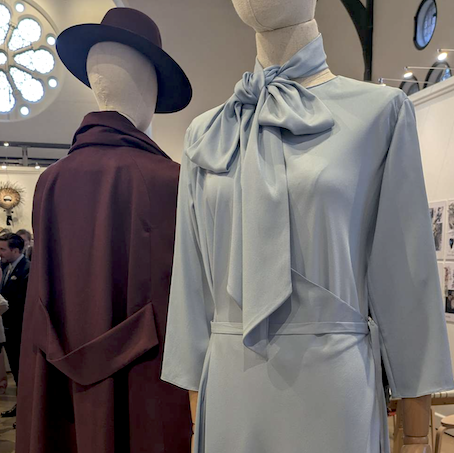
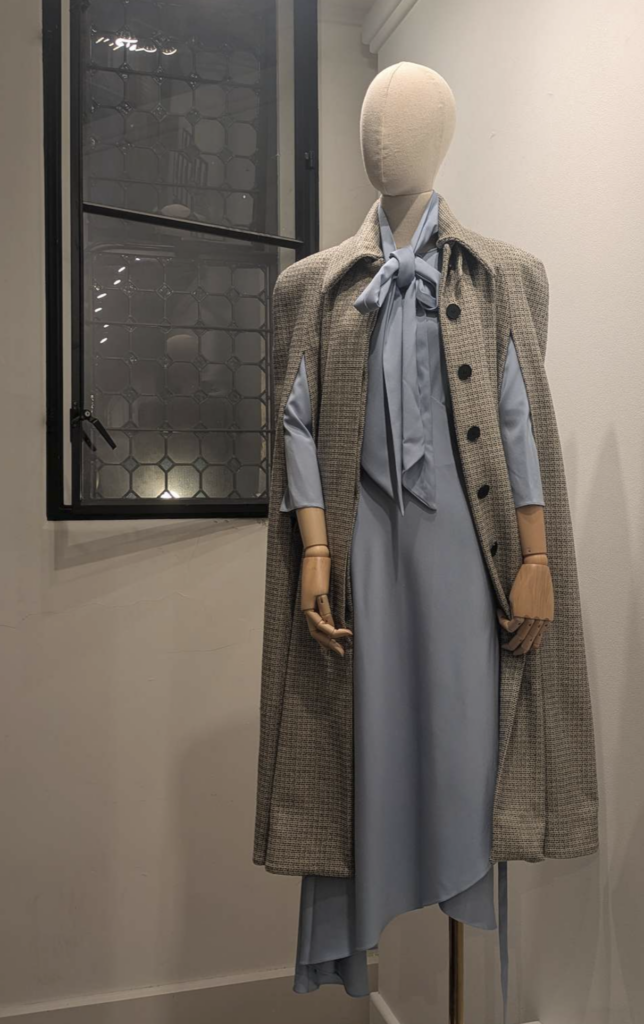
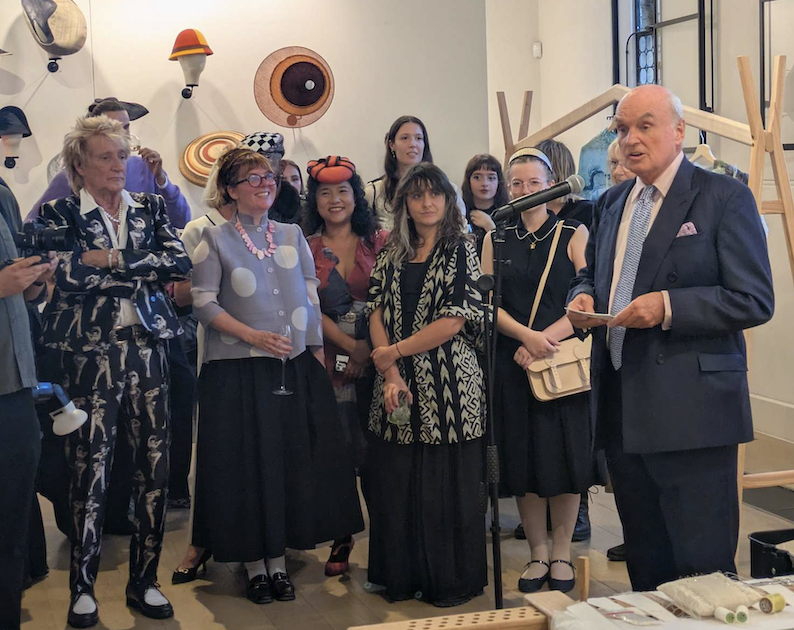
The results of the programme were recently presented at the Garrison Chapel, where the completed collection was displayed alongside the work of the programme’s millinery and embroidery students, also developed in partnership with CHANEL.
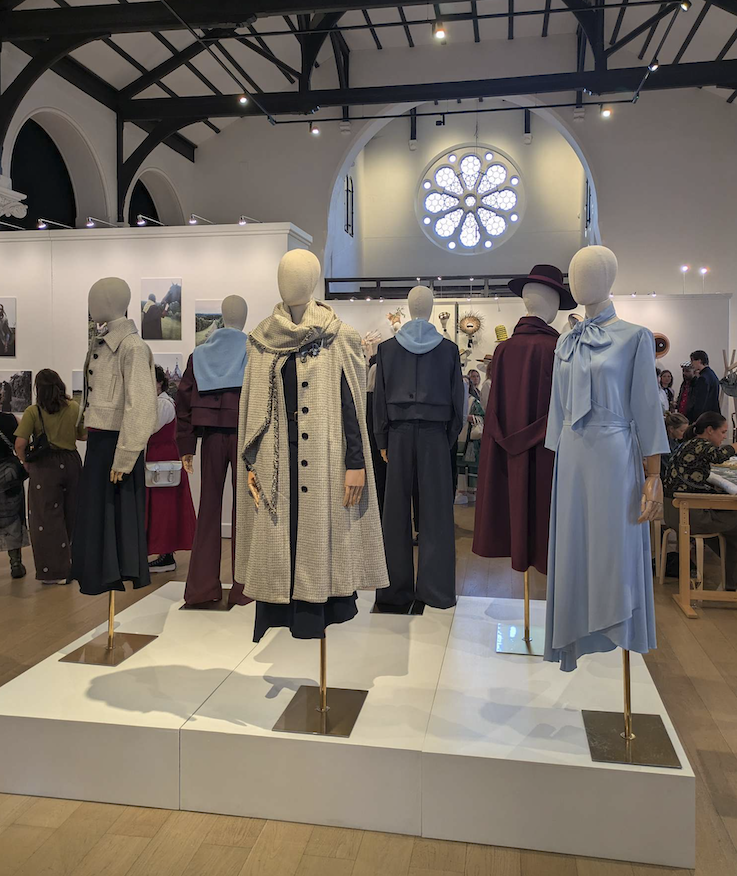
For Claire, seeing the finished work on display provided a fitting conclusion to a project that had taken the students from technical development and specialist training through to production.
“It was great to see the final production on display at the Garrison Chapel alongside the Millinery and embroidery programmes also in partnership with Chanel,” Claire said.
The programme is fully funded through the generosity of its partners, covering tuition, materials and travel to Paris, as well as the graduation celebration and exhibition. Fellows also receive a bursary of £1,500 per month towards living costs.
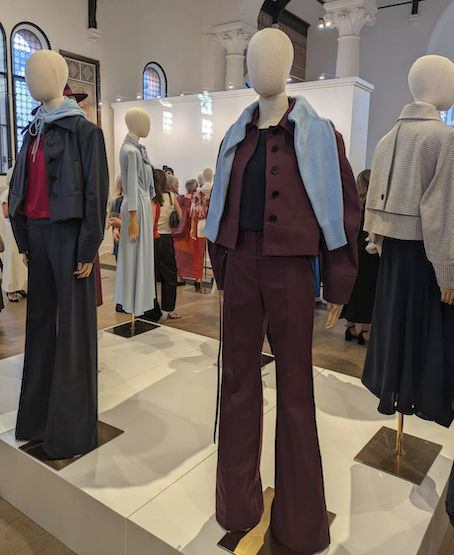
For the students, the benefits extend beyond the garments produced during the programme. By its conclusion, they will have developed advanced technical skills in garment production, gained experience of team-based batch manufacturing, received international industry exposure, produced a capsule collection to industry standard and built a professional portfolio aimed at launching their careers in the luxury fashion industry.
For the wider UK fashion manufacturing sector, initiatives such as this offer an important bridge between heritage craftsmanship and the technical and production skills required by the modern industry.
The involvement of Fashion-Enter demonstrates the value of connecting high-level creative and artisanal education with practical manufacturing expertise. By introducing students to pattern development, technical specification, production planning and bulk cutting alongside couture-level craftsmanship, the programme is helping equip emerging makers with a more complete understanding of how fashion is made.
As the UK looks to strengthen its domestic manufacturing capabilities and ensure traditional skills evolve for a new generation, collaborations such as The King’s Foundation, CHANEL and le19M programme provide an important model — combining investment in people, international expertise and practical industry knowledge to support the future of responsible British fashion production.


