


Creating a Cohesive Fashion Show Look: From Moodboard to Catwalk
20-08-2026


A successful fashion show is about much more than the clothes walking down the runway. While the collection is undoubtedly the focus, the way it is presented can transform how an audience experiences the brand. Hair, make-up, nails, accessories, jewellery, styling and even the models’ eye colour can all contribute to creating a distinctive visual identity.
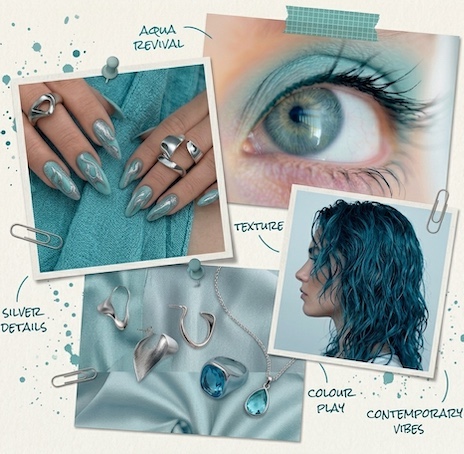
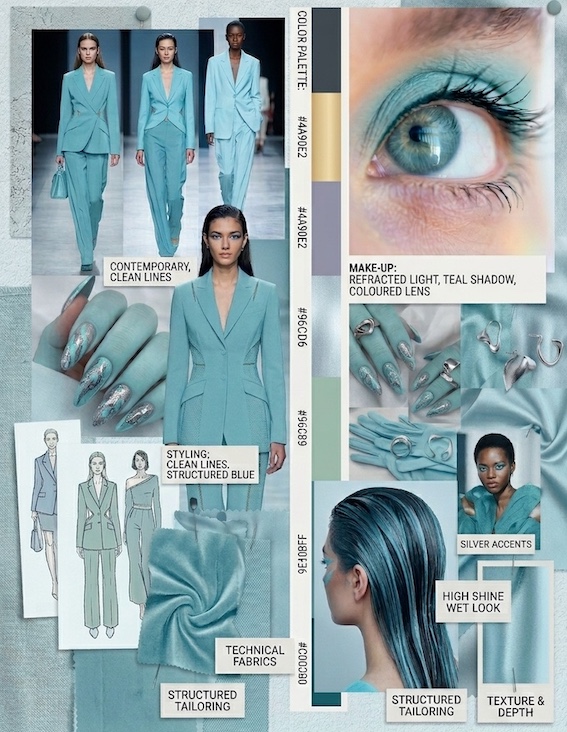
For designers preparing a catwalk show or live fashion presentation, the process should begin well before the first model steps onto the catwalk. Developing a strong moodboard to share with the team is an important starting point, helping to establish the atmosphere, colour palette, references and overall direction for the show. It can bring together fashion imagery, textures, colour palette, beauty references, materials and cultural influences that communicate the feeling the designer wants the audience to experience.
The moodboard then becomes a useful creative tool for bringing the wider styling team together. Working closely with the hair and make-up artists, stylist and other creative contributors ensures that everyone understands the aesthetic and, importantly, that each element works with the collection rather than competing with it. A minimalist collection might call for clean hair, understated make-up and simple jewellery, while a more theatrical collection could provide an opportunity for stronger beauty looks, sculptural accessories or dramatic styling.
Building the complete model look
When planning a live show, it is worth considering the model as a complete canvas. Small details that might seem secondary can have a surprisingly significant impact when an audience sees a collection moving down the catwalk.
Nails are one example. A carefully selected nail colour, finish or design can reinforce the colour story of a collection and add another layer of detail to the overall look. Depending on the brand, this might mean an almost invisible natural manicure or something much more expressive, such as metallic finishes, graphic designs or colours drawn directly from the collection.
Jewellery and accessories can be equally important. Rather than simply sourcing pieces at the last minute, designers can consider collaborating with an independent jewellery designer or accessories brand whose aesthetic complements the collection. A carefully chosen necklace, earring, belt, bag or headpiece can help create a recognisable signature and introduce another creative dimension to the presentation.
This approach is particularly effective when the accessories feel as though they belong to the same world as the clothing. The aim isn’t necessarily for every element to match, but for the audience to understand the relationship between them.
Using eyes as part of the styling story
For a live event, there are also opportunities to experiment with details that cannot simply be added or adjusted afterwards in post-production. Coloured contact lenses can be one way of creating a more complete transformation and reinforcing the character behind a collection.
Eye colour can subtly change the impression created by a model, from natural enhancement through to a much more distinctive fashion statement. For a futuristic collection, an unusual eye colour might help create a more otherworldly appearance, while a softer colour could complement a romantic or ethereal aesthetic.
The use of coloured contact lenses can be particularly effective for a catwalk or live presentation, where the audience experiences the look directly rather than through a retouched image. For example, a designer looking to explore a cooler colour palette could consider blue contact lenses at visiondirect.co.uk at the styling stage, rather than treating eye colour as an afterthought. The key is to make sure the choice supports the creative direction and works naturally alongside the make-up, hair and clothing.
Plan the details before the models arrive
Once the creative direction has been established, detailed planning becomes essential. A fashion show may involve dozens of people working behind the scenes, so everyone needs to understand what is expected before show day. Model line-ups, fittings, hair and make-up schedules, accessories, changes and final styling decisions should all be coordinated in advance.
A useful approach is to create a visual reference for each model or look so that the styling team can see exactly how the finished appearance should come together. This is particularly important when multiple make-up artists, hairstylists or dressers are involved. Consistency can be difficult to maintain when a show is moving quickly, and clear visual references help ensure that the original creative vision is not lost.
Designers should also think about how the look will translate under the show’s lighting. Colours that appear subtle in a fitting room can look very different under strong catwalk lighting, while reflective jewellery, metallic make-up or glossy nails may become much more prominent. A rehearsal or technical run-through provides an opportunity to identify these issues before the audience arrives.
Creating a polished brand experience
The strongest fashion presentations feel considered from beginning to end. The clothing remains central, but every supporting detail contributes to the story. Music, lighting, hair, make-up, nails, jewellery, accessories and model styling can work together to communicate the personality of a brand in a way that a collection alone cannot always achieve.
This is why bringing the creative team into the process early is so valuable. Rather than asking a make-up artist, hairstylist or jewellery designer to simply respond to finished garments, involving them during the concept stage allows their expertise to become part of the creative development.
Ultimately, a successful catwalk show is an exercise in cohesion. From the first moodboard through to the final model walking onto the runway, every decision should feel connected to the brand and the story it wants to tell. It is often the smallest details, a particular nail colour, an unexpected piece of jewellery, a distinctive hairstyle or a change in eye colour, that help transform a good collection into a polished fashion presentation.


