


5 Practical Systems for Starting a Fashion Label in a Small Space
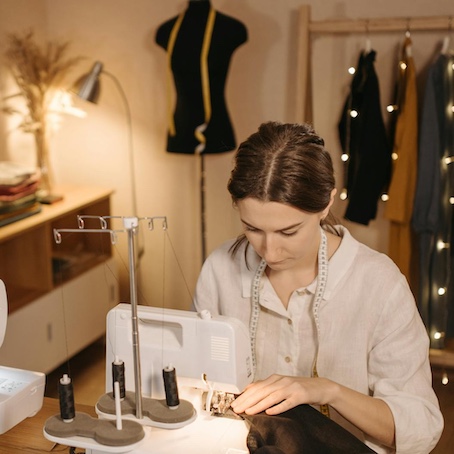
11-03-2026


Launching a fashion label from a box room, a rented flat, or the corner of a shared workspace is practically a British rite of passage at this point. The problem is not talent or ambition. It is volume. Fabric rolls, samples, packaging, returns, rails, steaming kit, photography bits, and the mysterious multiplication of “just in case” stock can swallow a living space whole if you do not build a system early.
The good news is that limited space does not have to stall momentum. Most first collections are built at home, and the brands that survive the early stage tend to do one thing well: they treat space like a resource to manage, not a problem to ignore.
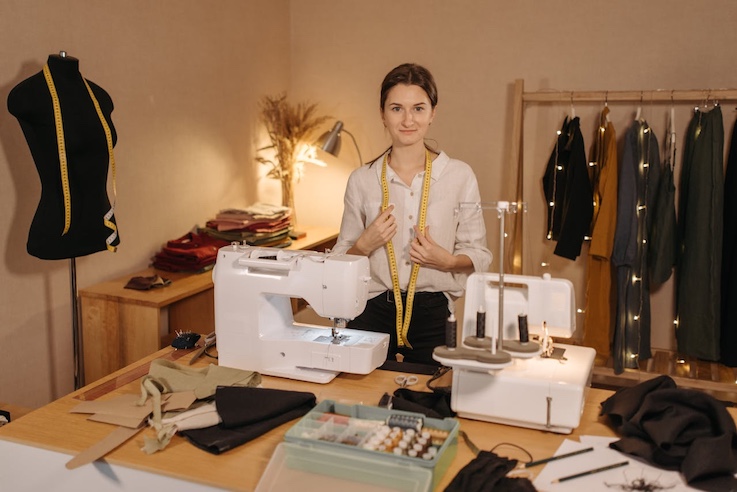
1. Create a Workflow That Suits Your Space
Start by mapping the stages of your process and workflow because mess usually comes from tasks bleeding into each other. Designate zones, even if the “zones” are just different ends of the same room. Cut fabric in one spot. Sew in another. Pack orders at a clear surface that is only for packing. Tools go into transparent containers and get returned immediately after use, not “later”. The point is to stop your work from expanding into every available inch simply because it can.
2. Keep Materials Under Control
Materials are sneaky. You buy trims for one run, then prototypes spawn variations, and then you are sitting on three nearly identical black zips and no idea why. The fix is not “be more disciplined”. The fix is a habit: a weekly stock review and a running list. Track what you have, what is allocated to current orders, and what you actually need next. That single routine prevents panic buying and helps cash flow too, because dead stock is space you cannot afford.
3. Use Vertical and Modular Storage to Free Floor Space
When floor space is scarce, think upwards. Shelving, stackable boxes, rail units, and wall-mounted storage keep walkways clear and make the room feel workable. The aim is visibility and access: if you can see it and reach it quickly, you will use it. If it disappears into a doom pile, it will become clutter you pay rent to store.
4. When Offsite Space Supports Growth
At a certain point, “organised” still is not enough. Bulk packaging, seasonal stock, lookbook props, spare rails, and larger equipment can become a daily blocker. That is when offsite storage stops being a luxury and becomes a growth tool. Most areas in the country will have self-storage at a reasonable distance; those in Yorkshire may benefit from using Bradford self-storage solutions for fashion stock and bulky equipment. This lets you keep your home workspace lean with fewer distractions, more room to cut and pack, and a clearer separation between living and working. Although you may also use self-storage to keep your personal items that are less used so you can keep more work-related items close by.
5. Build Habits That Help You Stay Organised
Finally, protect your space with tiny rituals. A 10-minute reset at the end of each production day (tools back, surfaces cleared, tomorrow’s priority prepped) keeps small rooms functional. It is not glamorous, but neither is tripping over mailers at 11pm. Small habits are what make a small space feel like a studio.
Images by Paul Danilyuk via pexels.com


