


20 Years of Fashion Scout: “ Twenty years on, we’re still looking for the person we don’t know yet.”
30-09-2026


Martyn Roberts and Biljana Poposka-Roberts on two decades of discovering emerging talent and building the next generation of fashion
Since Fashion Scout’s launch in 2006, FashionCapital has followed its progress and, season after season, highlighting the emerging designers coming through its platform, many of whom have gone on to become some of the most exciting names in international fashion.
It feels particularly fitting to mark Fashion Scout’s 20th anniversary with a conversation about its past, present and future. Founded with a mission to discover and support new talent, Fashion Scout has now worked with more than 1,500 designers from over 70 countries, creating opportunities for designers to gain visibility, build networks and establish their businesses.
There is a natural synergy with FashionCapital’s own ethos, which has also been supporting the fashion industry since 2001. While our focus has leant into training, production, skills and the practical business of building a fashion brand, we share the belief that emerging talent needs more than a moment in the spotlight, it needs the right support to develop and thrive.
For its milestone 20th anniversary, Fashion Scout is presented its largest London Fashion Week programme to date, bringing together more than 40 designers from 15 countries.
We caught up with Founder and Director Martyn Roberts and Director Biljana (Billie) Poposka-Roberts to reflect on two decades of discovering and platforming new talent, the designers who have shaped Fashion Scout’s story, and what the next for the growing platform.
Q: What have been the fundamental changes you have noticed within the industry over the past 20 years?
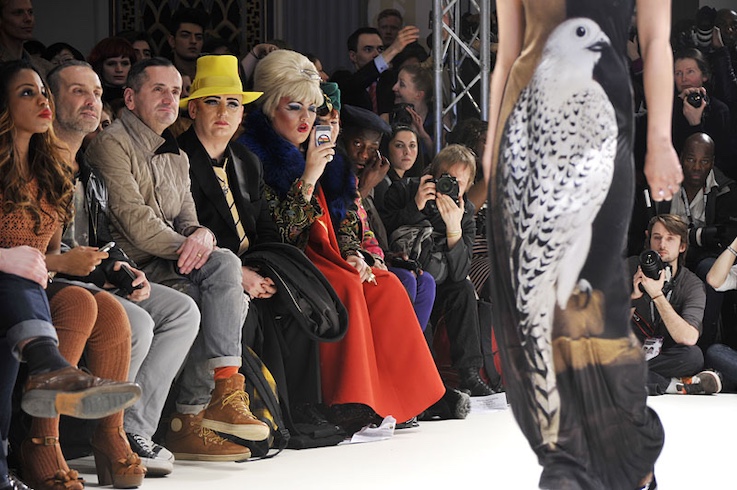
Martyn: When we started Fashion Scout in 2006, the industry was much more controlled by a relatively small number of gatekeepers. A designer needed the right buyer, the right journalist or the right store to notice them. Social media has completely changed that. Designers can now build an audience internationally before the traditional industry has even discovered them.
At the same time, I think it has become much harder to build a sustainable independent fashion business. There is this expectation that designers should constantly produce newness, content and collections while also understanding e-commerce, social media, sustainability, production and everything else that comes with running a brand.
Billie: What has changed enormously is where talent comes from and how we discover it. Fashion has become much more international and much less centred around the traditional fashion capitals. We work with designers from Africa, Asia, Eastern Europe and many other regions whose work is informed by completely different cultures, craft traditions and experiences. That has made fashion much richer.
The challenge now isn’t finding creativity, there is an extraordinary amount of it. It is creating the opportunities, connections and visibility that allow that creativity to develop into something sustainable.
Q: Fashion Scout has been the starting point for so many designers who have gone on to have significant careers. Do you ever look back at the designers you championed and think, ‘we knew they were going to make an impact?
Martyn: Absolutely, although you can never really predict exactly where somebody’s career will go.
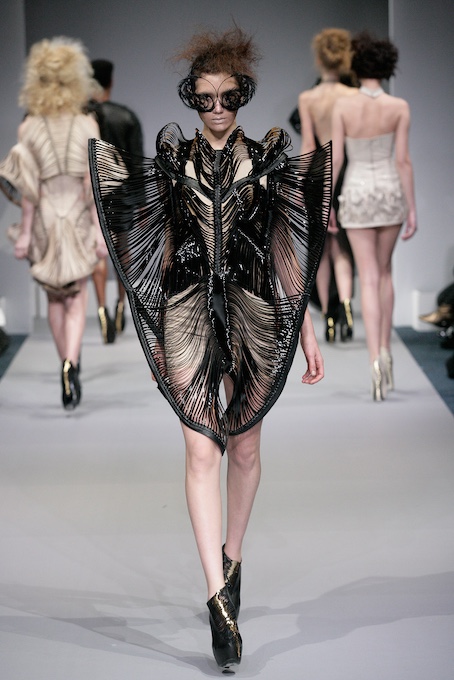
There have been those moments when somebody walks into a room or you see a collection for the first time and there is something unmistakably different about it. Iris van Herpen is an obvious example, as are David Koma, Eudon Choi and Phoebe English. More recently, we’ve seen designers such as Tolu Coker, Maximilian Raynor and Agro Studio develop incredibly strong identities and build real momentum beyond their first Fashion Scout shows.
What is interesting when you look back is that it wasn’t necessarily about seeing the most commercial or polished collection at that moment. Often it was about recognising an idea, an instinct or a point of view that you simply hadn’t seen before.
Billie: And that’s probably one of the loveliest things about reaching twenty years, there is now this extraordinary Fashion Scout family across different generations, but we’re still getting that same feeling of discovery.
This season is a great example. Adolf Maldonado returned to Fashion Scout for his second catwalk show, while Tyler von Greenston made his debut through Ones To Watch, and we’re already seeing both attracting significant media attention. There is something incredibly rewarding about watching that happen in real time, when the industry begins responding to a designer you’ve believed in from the beginning.
That’s ultimately what keeps Fashion Scout exciting for us. Twenty years on, we’re still looking for the person we don’t know yet.
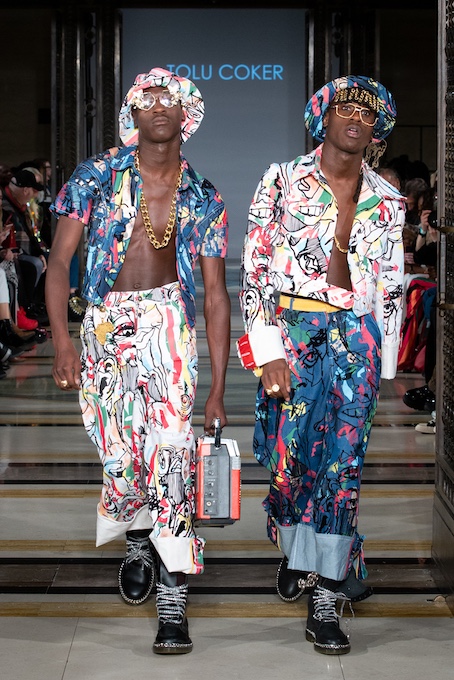
(Tolu Coker)
Q: What do you look for when scouting for new talent?
Billie: A point of view. We see a huge number of technically good designers, but technique alone isn’t enough. You want to understand who that designer is without having to read three paragraphs explaining the collection.
We’re looking at silhouette, fabrication and construction, of course, but also at the thinking behind the work. Does it feel authentic? Is there a world around it? Is there something here that could develop beyond one good collection?
Martyn: We’ve never looked for one Fashion Scout aesthetic. In fact, almost the opposite. Ones To Watch has always worked because the designers can be completely different from one another.
Sometimes a designer isn’t fully formed yet, but you can see something original and instinctive in the work. Part of scouting is recognising that potential rather than only rewarding something that is already finished.
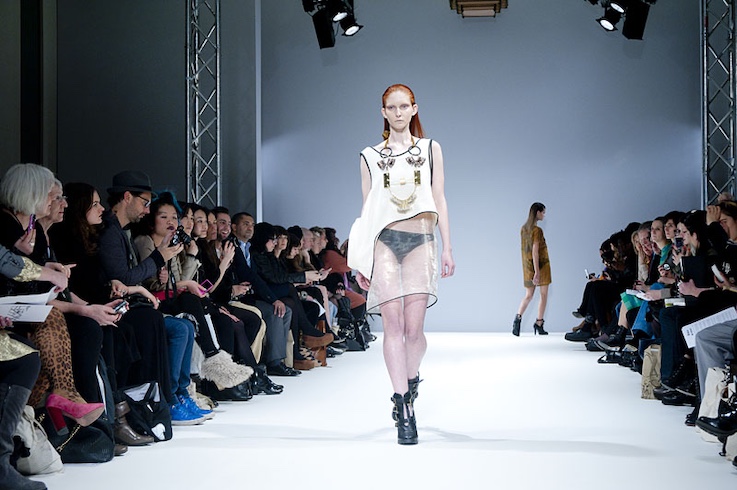
Q: Sustainability has moved from being a niche concern to one of the defining challenges facing fashion. Do you think the industry is genuinely changing?
Billie: It is changing, but probably not quickly enough, and I think we have to be careful about treating sustainability as a marketing language rather than looking at what designers are actually doing.
What is encouraging is that for many of the emerging designers we work with now, sustainability isn’t a separate conversation. It is simply part of how they design. We see deadstock and reclaimed materials, local production, zero-waste approaches, natural fibres, small production runs and designers working directly with artisans and traditional craftspeople.
Martyn: Twenty years ago those conversations were much more peripheral. Now young designers are questioning the system itself — how much they produce, where something is made, what happens to waste and whether the traditional seasonal model even makes sense for their business.
There are still huge structural issues across the wider industry, so I don’t think anyone can claim the problem is solved. But there has been a fundamental shift in expectations, particularly among the new generation of designers.
Q: The traditional fashion calendar, with two major seasons and large-scale shows, is being questioned. What role do you think the physical fashion show has going into the next decade?
Martyn: People have been predicting the death of the fashion show for years, but there is still something incredibly powerful about experiencing a collection physically.
You can look at hundreds of images on a screen, but seeing clothes move, the proportion, fabric, sound, casting, energy and the audience’s reaction, is completely different. A great catwalk show can communicate a designer’s world in ten minutes in a way very few other formats can.
Billie: But the purpose of the show has changed. It can’t simply be about producing an expensive spectacle twice a year because that’s what fashion has always done.
For an emerging designer especially, the question has to be: what does this moment actually achieve? Does it create meaningful press, content, connections, collaborations and opportunities afterwards?
We don’t think physical and digital are competing with one another. The physical show creates a moment; digital gives that moment a life far beyond the room. The challenge for the next decade is making both work much harder for designers.
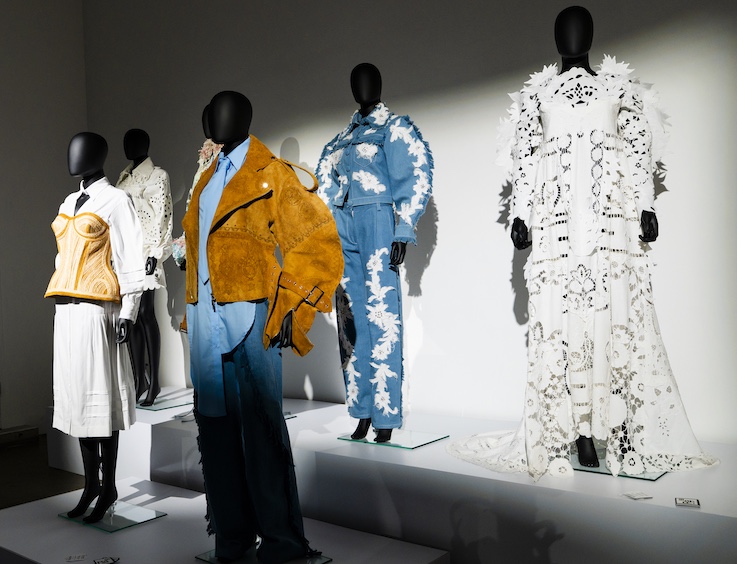
(BEYOND LIMITS: Polish Visionaries, image by @henrymdewitt)
Q: Do you have any up and coming projects you can talk about?
Billie: We’ve just come out of our 20th anniversary London Fashion Week season, so there is a lot we’re excited about. One area we’ve been developing particularly over the past year is how we work with our creative partners. Our relationships with Sally Beauty and UNITE Hair, and AOFM Makeup Academy, have become much more collaborative, looking beyond simply supporting the shows and thinking about how together we can create a richer, more experiential environment around Fashion Scout during London Fashion Week.
That’s something we’d really like to develop further. Fashion Scout has always been about bringing creative communities together, and there are some interesting new partnership opportunities we’re exploring for 2027.
Martyn: Internationally, that is happening too. We have just completed BEYOND LIMITS: Polish Visionaries, which brought twelve contemporary Polish fashion and jewellery talents to London during Fashion Week. It was an extraordinary group of creatives and the response from the London audience and industry was incredibly positive. We’d love to see that relationship continue and evolve.
Billie: And next we’re heading to Yerevan for Fashion Scout Armenia in October, alongside our continuing international work through projects such as Creative DNA in Ethiopia, Creative DNA Zimbabwe and Connections Through Culture project with Sri Lanka.
I think that’s what feels particularly exciting as we move beyond the twentieth anniversary. Fashion Scout is no longer only about bringing emerging designers onto a catwalk in London. It’s about building a much wider creative ecosystem, connecting designers, countries, industries and partners, and creating opportunities for interesting things to happen between them.
There is a lot developing for next year that we can’t talk about just yet, but twenty years in, it feels much more like the beginning of the next chapter than the end of one.
Thank you Martyn and Billie.
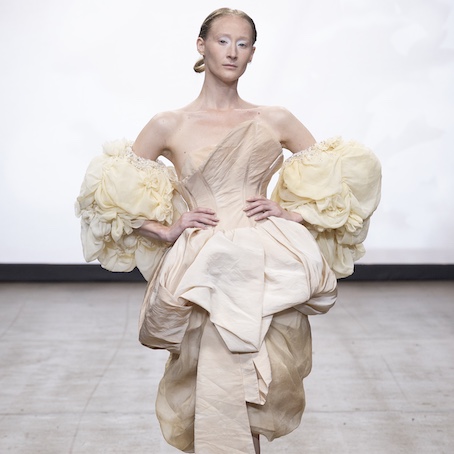
Top image: Fashion Scout – Ones to Watch – Jin Seo SS27


