


Rethinking Summer Office Style: Are Ongoing Heatwaves Finally Breaking Suit-and-Tie Culture?
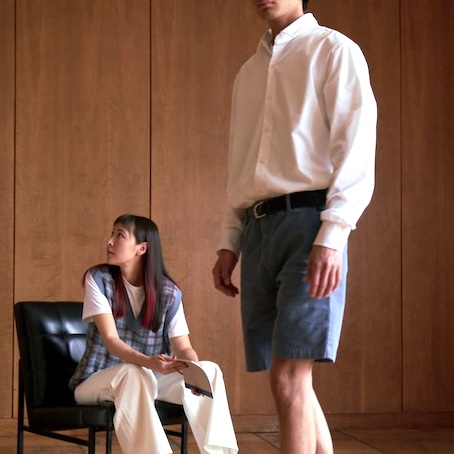
06-08-2026


For decades, office dress codes have been built around an assumption that the working week takes place in a temperate climate. The tailored suit, crisp cotton shirt and polished leather shoe have long been shorthand for professionalism, regardless of whether the temperature outside is 15°C or pushing towards 35°C.
That assumption is beginning to unravel. As the UK and much of Europe experience increasingly frequent and intense summer heatwaves, businesses are facing a new reality: dressing for the office is becoming as much about employee wellbeing as it is about corporate image. With climatologists warning that hotter summers are likely to become the norm rather than the exception, many employers may need to rethink what “smart” looks like in the modern workplace.
The debate around shorts in the office resurfaces almost every summer, but in 2026 it feels less like a novelty and more like an inevitable consequence of a changing climate.
Employment law specialists at Citation have urged employers to review workplace dress codes during periods of extreme heat, highlighting that while there is no maximum legal working temperature in the UK, employers still have a duty of care under the Health and Safety at Work Act 1974. Acas guidance also advises employers to consider relaxing dress requirements where appropriate, allowing staff to wear clothing better suited to high temperatures.
For fashion businesses, retailers and professional workplaces alike, this raises a much broader question than whether shorts should be permitted.
The End of Year-Round Tailoring?
Traditional business dress has long been associated with authority, credibility and professionalism. In sectors such as finance, law and consultancy, the suit remains an important visual language.
Yet expectations around workplace attire have already shifted dramatically over the past decade. Hybrid working blurred the boundaries between formal and casual dressing, while younger employees increasingly value comfort alongside professionalism. Heatwaves are accelerating that evolution.
Rather than abandoning tailoring altogether, many businesses are likely to embrace a lighter interpretation of it. Unstructured jackets, linen-blend tailoring, breathable tropical wool, lightweight cotton poplin and relaxed silhouettes offer many of the visual cues of formal business dress without the physical discomfort of traditional suiting. Open-collar shirts, tailored chinos and smarter trainers have already become commonplace in many creative and technology sectors.
For heritage corporate environments, the challenge is maintaining brand identity while recognising that climate realities have changed.
Fabric Matters More Than Ever
The conversation should perhaps focus less on shorts versus trousers and more on intelligent fabric choices. Natural fibres such as linen, cotton and lightweight wool allow significantly greater airflow than heavier synthetic fabrics. Moisture-wicking performance textiles are also increasingly appearing in businesswear collections, combining technical functionality with classic tailoring.
Luxury and contemporary menswear brands have spent several seasons developing softer construction methods that reduce weight without sacrificing structure. Women’s tailoring has undergone a similar transformation, with fluid silhouettes replacing heavily lined jackets.
Redefining Professionalism
The strongest organisations understand that professionalism isn’t determined by sleeve length. A well-presented employee wearing tailored shorts, a linen shirt and smart loafers may project considerably more confidence than someone struggling through a day in a heavy suit.
Citation’s guidance encourages employers to communicate any temporary dress code changes clearly, apply them consistently and ensure adjustments are made fairly across the workforce. It also reminds businesses that roles requiring PPE or protective clothing remain subject to existing health and safety requirements.
Gill McAteer, Director of Employment Law at Citation, argues that employers shouldn’t view temporary flexibility as abandoning standards but rather as a practical response to exceptional conditions. That distinction is important.
Relaxing a dress code doesn’t necessarily mean embracing beachwear in the boardroom. Instead, it opens the door to sensible adaptations such as removing jacket requirements, allowing open-neck shirts, introducing lightweight branded uniforms or permitting tailored shorts where appropriate.
Following Southern Europe’s Lead
This isn’t simply a British conversation. Cities across southern Europe have long adapted working practices to extreme summer temperatures, from lighter uniforms to altered working hours. As northern European countries experience increasingly Mediterranean-style summers, similar adjustments may become necessary.
Fashion inevitably responds to cultural and environmental change. Just as sustainability has reshaped sourcing and manufacturing, climate adaptation is beginning to influence what consumers expect from office wardrobes.
Designers are already responding with breathable tailoring, washable suiting, technical shirting and seasonless collections that prioritise comfort without sacrificing sophistication.
The Future of Summer Office Dressing
The office wardrobe of the future is unlikely to be defined by a choice between suits and shorts.
Instead, it will be characterised by flexibility. Employers who traditionally insisted on jackets and ties may increasingly adopt seasonal dress policies that recognise periods of extreme heat. Professionalism will become less about rigid uniformity and more about dressing appropriately for both the workplace and the climate.
As heatwaves become a recurring feature of European summers, businesses that adapt thoughtfully will not only support employee wellbeing but may also find that modern, climate-conscious dress codes better reflect the evolving world of work.
Perhaps the real question is no longer whether shorts belong in the office. It’s whether traditional office dress codes take into consideration the evolving climate relevant for now?
Image by Cottonbro Studio via pexels.com


