


Running Your Own Fashion Brand? How to Get to Grips With In – House Product Photography
24-04-2026


For emerging fashion brands, strong product imagery isn’t optional, it’s the backbone of how you sell, communicate your identity and build trust with both customers and stockists. Whether you’re launching your first collection or managing regular product drops, investing in a consistent, efficient photography approach will pay off quickly.
Why Product Photography Matters
Online shoppers can’t touch or try your garments, so your imagery has to do all the work. Clear, high-quality product shots reduce returns, increase conversions, and signal professionalism to potential wholesale partners. For stockists especially, clean and consistent imagery helps them visualise how your pieces will sit alongside other brands. Additionally your images can support your social media and marketing campaigns – it is therefore important to have a file of clear, cohesive images that reflect your brand identity ready to use.
In-House Studio: A Smart Move for Startups
If you’re releasing frequent drops, setting up a simple in-house studio can save significant time and cost compared to outsourcing every shoot. It also gives you flexibility, new arrivals can be shot and uploaded the same day, keeping your website and social channels fresh.
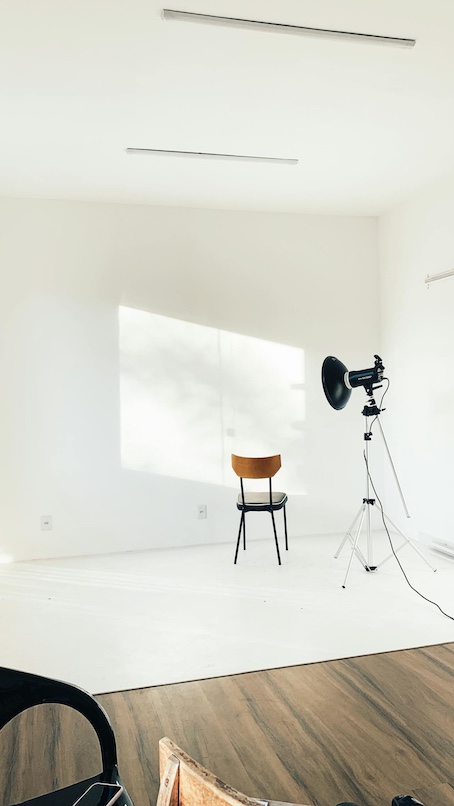
Basic Studio Setup
You don’t need a huge budget to get started. A functional setup includes:
- Backdrop: A neutral background (white, grey, or a brand-aligned tone). Seamless paper rolls are affordable and widely used.
- Lighting: Two to three softbox lights or continuous LED panels to eliminate harsh shadows and ensure even lighting. Natural light can work, but consistency is harder to maintain. To create a more distinctive visual identity, brands can experiment with elements like LED neon lighting, which helps add depth, contrast, and a recognisable aesthetic to product imagery.
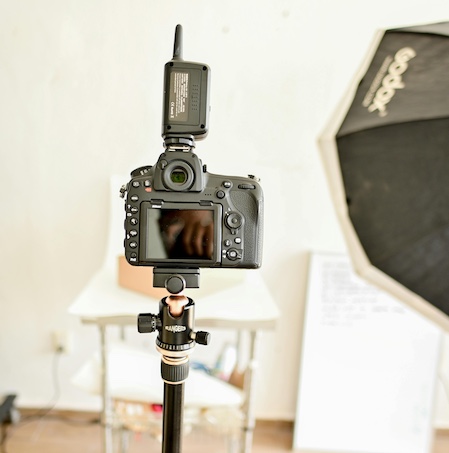
- Camera: A DSLR or mirrorless camera is ideal, but newer smartphones can work if lighting is controlled.
- Tripod: Keeps framing consistent across shots and collections.
- Flat Lay Surface: A large table or clean floor space for shooting garments laid flat.
Consistency is key – keep your lighting, angles, and framing the same across all shoots so your website looks cohesive.
Flat Lay vs Model Shots
Both styles serve different purposes, and most brands benefit from using a combination.
Flat Lay Shots
These are essential for e-commerce and wholesale line sheets. They show the garment clearly without distraction.
Best practices:
- Shoot garments neatly pressed and styled (but not overly styled)
- Keep symmetry clean and consistent
- Capture front and back views
- Use close-ups for fabric texture, trims, and key details
Flat lays are quick to produce and ideal for scaling across large product ranges.
Model Shots
Model photography brings your product to life. It shows fit, movement, and styling potential – crucial for marketing and social media.
Standard Model Shot List
To keep your imagery consistent and commercially useful, follow a core shot list:
- Full length (front): The primary selling image
- Full length (back): Essential for online shoppers and buyers
- Mid shot: Waist-up or cropped to highlight fit and silhouette
- Side angle: Adds depth and understanding of shape
- Close-up details: Fabric, stitching, fastenings, or unique features
This structure ensures you cover both creative and practical needs.
Styling: Keep It Simple and Consistent
For startups, consistency matters more than complexity. Your styling should support the product not overpower it.
Hair & Makeup
- Keep looks clean and natural unless your brand identity calls for something bold.
- Stick to one consistent style across shoots to build recognisable branding.
- Avoid trend-heavy looks that may date quickly if you’re shooting multiple drops.
- For models, well-maintained hair is just as important as makeup—if you’re working with talent experiencing thinning or hair concerns, partnering with a reputable clinic offering hair loss treatments can help ensure confidence and consistency on set.
Model Choice
- Choose models who reflect your brand identity and target customer
- If budget is tight, working with the same model across multiple shoots builds continuity and brand recognition
Using Your Images Effectively
Once you’ve created your imagery, maximise its value across all channels:
- E-commerce: Clean product pages with multiple angles increase conversion
- Wholesale: Line sheets and lookbooks for buyers
- Social media: Model shots for engagement, flat lays for product highlights
- Marketing campaigns: Email, ads, and website banners
A single shoot should generate content for weeks if planned properly.
You don’t need a big-budget studio to create professional imagery but you do need a clear system. By setting up a simple in-house studio, sticking to a consistent shot list, and aligning styling with your brand, you can produce high-quality visuals that support both sales and growth.
The goal isn’t just to make your clothes look good – it’s to make them easy to understand, desirable to your audience, and ready to compete in a crowded market.
Images via pexels.com


